x


 Preview
 شراء نسخة مطبوعة شراء الصورة بدقة عالية
 مشاركة
 التفاصيل
 أضف إلى المفضلة
 تحميل الملف
 قطع مشابهة
 الأشعة السينية
 عرض شرائح
 زيت على قماشلوحات جداريةContemporary Realism
 1862القرن التاسع عشر
 120.0 x 74.0 cm
 المتحف المتروبوليتاني للفنون
لوحة زيتية مرسومة يدوياً على الكانفاس بالمقاس والإطار الذي تفضله، تُنفذ حسب الطلب على أيدي فنانينا.





























اختر من بين أحجامنا المُعدّة مسبقًا والتي تتطابق مع النسب الأصلية للعمل الفني.

يمكنك إدخال أبعادك الخاصة لتناسب إطارًا معينًا أو مساحة محددة. وإذا لم يتطابق الحجم الذي اخترته مع نسب الصورة الأصلية، فسنقوم إما بقص العمل الفني أو توسيع اللوحة بإضافة عناصر مرسومة يدويًا. سيتم إرسال نموذج رقمي إليك للموافقة عليه قبل بدء الإنتاج.
يرجى ملاحظة أن المعاينة على الشاشة لا تعكس عملية القص أو التوسيع الفعلية؛ حيث إن النموذج الرقمي وحده هو الذي سيوضح التكوين النهائي بدقة.
وعلى الرغم من توفر أحجام مخصصة، إلا أننا نوصي باختيار أبعاد من القائمة المحددة مسبقًا للحفاظ على النسب الأصلية للعمل الفني.
توصيل عالمي إلى خلال 3 إلى 4 أسابيع بدلاً من المدة المعتادة البالغة 5 أسابيع. (26 يوليو). جودة لا تهاون فيها.


The Source
مقاس النسخة المطبوعة
Gustave Courbet’s “The Source,” completed in 1862, stands as an undeniable cornerstone of Realism—a movement that vehemently rejected the idealized conventions of Romantic art and championed a brutally honest depiction of everyday life. More than just a painting; it's a manifesto declaring defiance against artistic dogma and asserting the primacy of observation.
The painting portrays a nude woman positioned before a waterfall or fountain, her back turned towards the viewer—a deliberate choice that underscores Courbet’s rejection of traditional female figures modeled after classical ideals. Instead, he presents us with an unvarnished portrayal of femininity, stripped bare of embellishment and imbued with palpable vulnerability.
Composition & Elements: The scene unfolds against a backdrop of rugged rocks and verdant trees—a carefully constructed landscape designed to heighten the emotional impact of the central figure. A potted plant adds depth and textural complexity, subtly reinforcing the painting’s connection to the natural world. Courbet's meticulous brushstrokes capture the shimmering surface of the water, conveying its coolness and dynamism.
Historical Context & Influence: Courbet’s work emerged in response to the prevailing artistic landscape of France during his time—a period dominated by academic art that prioritized idealized beauty and mythological narratives. He actively opposed these conventions, aligning himself with artists like Jean-Auguste-Dominique Ingres who had previously championed a more restrained aesthetic. Ingres's painting “The Source,” exhibited in Paris the preceding year, served as an indirect stimulus for Courbet’s own artistic exploration—a shared preoccupation with capturing the essence of natural beauty and rejecting artificial ornamentation.
Artistic Movement: “The Source” epitomizes Realism—a movement characterized by its unflinching commitment to portraying subjects in a truthful and accurate manner. Unlike Romantic art's penchant for emotional excess and imaginative embellishment, Realism sought to represent the world as it appeared to ordinary people—without sentimentality or moral judgment. Courbet’s stylistic innovations—particularly his use of bold color palettes and loose brushwork—were instrumental in shaping the trajectory of subsequent artistic movements, including Impressionism and Cubism.
Symbolism & Emotional Impact: Beyond its formal qualities, “The Source” resonates with profound symbolic significance. The woman’s posture—facing away from the viewer—suggests introspection and contemplation—a deliberate gesture that invites viewers to engage in a dialogue about beauty, vulnerability, and the relationship between humanity and nature. Courbet's masterful depiction of light and shadow contributes to the painting’s evocative atmosphere—creating an image that transcends mere representation and speaks directly to the human spirit.
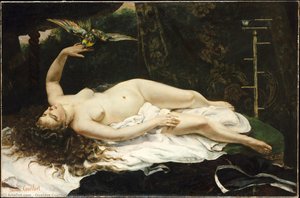
Related Works: Courbet’s artistic legacy extends beyond “The Source,” encompassing masterpieces such as “Woman with a Parrot” (1866) and “Nude with Flowering Branch” (1862)—all housed at The Metropolitan Museum of Art. These paintings demonstrate Courbet's unparalleled ability to capture the sublime beauty of everyday life—challenging artistic conventions and establishing him as one of the most influential artists of his era.


1819 - 1877 , فرنسا

اكتشف 25 تحفة فنية لكلود مونيه، رائد الانطباعية. استكشف قصص لوحاته الخالدة وتقنياته الفريدة وألوانه الساحرة. احصل على نسخ عالية الجودة لديكور منزلك الفاخر على Most-Famous-Paintings.com
اكتشف 25 تحفة فنية لبول سيزان، رائد الانطباعية وما بعد الانطباعية. استكشف قصص لوحاته الزيتية الشهيرة وألوانه الجريئة وتقنياته الفريدة. احصل على إلهام لديكور منزلك الفاخر مع Most-Famous-Paintings.com.
Journey through 10 breathtaking landscape paintings by Monet, Van Gogh & more! Explore iconic artworks, artistic techniques & find inspiration for your home decor. Museum-quality reproductions at Most-Famous-Paintings.com. Discover all masterpieces on Most-Famous-Paintings.com

اكتشف 10 روائع فنية رسمت مسار الفن الرومانسي! استكشف لوحات فريدريش، مالارد وأكثر. قصص الفنانين، تقنيات الرسم، وجمال المناظر الطبيعية الخلابة. احصل على أعمال فنية عالية الجودة من Most-Famous-Paintings.com!
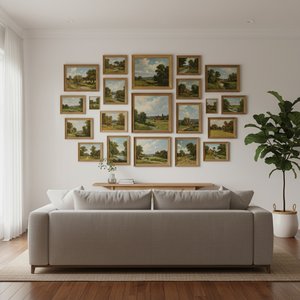
اكتشف روعة الطبيعة الإنجليزية مع أفضل 25 لوحة لجون كونستابل. قصص فنية آسرة وتقنيات زيتية فريدة في Most-Famous-Paintings.com. اشترِ نسخًا عالية الجودة وديكور منزلي فاخر. استكشف المجموعة الكاملة الآن!


ابقَ على اطلاع بأحدث أخبار الفن، والعروض الحصرية، وأفكار الديكور.
أخبرنا عن مشروعك، وسيقدم لك خبراؤنا الفنيون 3 اقتراحات فنية مخصصة لك.
دعنا نختار لك ٣ خيارات مخصصة تماماً - مجاناً!


 مشاركة

 عرض المزيد







 خيار الزجاج متاح فقط للمقاسات التي تقل عن 110 سم