x

لوحة زيتية مرسومة يدوياً على الكانفاس بالمقاس والإطار الذي تفضله، تُنفذ حسب الطلب على أيدي فنانينا. ( اشترِ نسخة مطبوعة اشترِ الصورة)





























اختر من بين أحجامنا المُعدّة مسبقًا والتي تتطابق مع النسب الأصلية للعمل الفني.

يمكنك إدخال أبعادك الخاصة لتناسب إطارًا معينًا أو مساحة محددة. وإذا لم يتطابق الحجم الذي اخترته مع نسب الصورة الأصلية، فسنقوم إما بقص العمل الفني أو توسيع اللوحة بإضافة عناصر مرسومة يدويًا. سيتم إرسال نموذج رقمي إليك للموافقة عليه قبل بدء الإنتاج.
يرجى ملاحظة أن المعاينة على الشاشة لا تعكس عملية القص أو التوسيع الفعلية؛ حيث إن النموذج الرقمي وحده هو الذي سيوضح التكوين النهائي بدقة.
وعلى الرغم من توفر أحجام مخصصة، إلا أننا نوصي باختيار أبعاد من القائمة المحددة مسبقًا للحفاظ على النسب الأصلية للعمل الفني.
توصيل عالمي إلى خلال 3 إلى 4 أسابيع بدلاً من المدة المعتادة البالغة 5 أسابيع. (18 أغسطس). جودة لا تهاون فيها.


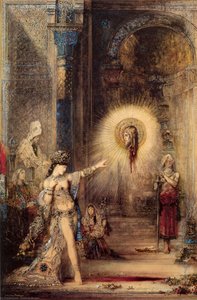
Orphée sur la tombe d'Eurydice
مقاس النسخة المطبوعة
Gustave Moreau’s Orphée sur la tombe d'Eurydice, painted in 1891, is not merely a depiction of the tragic myth; it’s an immersive journey into the heart of Symbolist emotion. This arresting canvas immediately draws the viewer into a world saturated with dreamlike atmosphere and profound psychological depth – a hallmark of Moreau’s distinctive artistic vision. The central figure of Orpheus, rendered in meticulous detail, stands before the tomb of Eurydice, his outstretched arms suggesting both desperate longing and futile effort. He is not a heroic figure of classical mythology, but rather a deeply vulnerable soul grappling with loss and the impossible task of reclaiming what has been irrevocably lost.
Moreau's technique is characterized by its painstaking detail and rich, jewel-toned palette. He employed a layering method, building up translucent glazes to achieve the luminous effects that define his style. The use of gold leaf—a signature element in his work—adds an almost otherworldly quality to the scene, elevating the figures and their surroundings into realms of fantasy and spiritual significance. Note the meticulous rendering of fabric, skin tones, and the intricate details of the surrounding foliage – a testament to Moreau’s dedication to capturing not just form but also texture and atmosphere. The clock on the wall serves as a stark reminder of time's relentless passage, further emphasizing the poignant nature of Orpheus's plight.
The painting is laden with symbolic meaning, reflecting the core tenets of Symbolist art. The tree surrounding Orpheus represents both life and death, growth and decay – a potent symbol of the cyclical nature of existence. The distant figure in the background, often interpreted as Eurydice herself, adds another layer of complexity to the scene, perhaps representing memory or the unattainable ideal. Moreau’s deliberate use of muted colors and hazy forms contributes to the painting's dreamlike quality, inviting viewers to interpret the work through their own emotional lens. The overall composition evokes a sense of melancholy and introspection, prompting contemplation on themes of loss, regret, and the enduring power of love.
Painted in 1891, *Orphée sur la tombe d'Eurydice* reflects the broader cultural anxieties and intellectual currents of the late 19th century. The Symbolist movement emerged as a reaction against the perceived materialism and rationalism of the Industrial Age, seeking instead to explore the realms of spirituality, emotion, and the subconscious. Moreau’s work aligns with this trend, offering a deeply personal and symbolic interpretation of classical mythology – a testament to his belief that art could serve as a conduit for profound emotional and spiritual experience. This painting stands as a powerful example of Moreau's ability to transform ancient myths into timeless expressions of human longing.
1826 - 1898 , فرنسا

Elevate your design projects with Most-Famous-Paintings's premium canvas prints and hand-painted reproductions. Discover affordable, museum-quality wall decor delivered worldwide, offering freelance decorators professional excellence, archival durability, and bespoke customization for every space.


ابقَ على اطلاع بأحدث أخبار الفن، والعروض الحصرية، وأفكار الديكور.
أخبرنا عن مشروعك، وسيقدم لك خبراؤنا الفنيون 3 اقتراحات فنية مخصصة لك.
دعنا نختار لك ٣ خيارات مخصصة تماماً - مجاناً!


 معاينة الحجم الحقيقي
 مشاركة
 مشاركة
 التفاصيل

 تحميل الملف
 قطع مشابهة
 الأشعة السينية
 عرض شرائح

 عرض المزيد







 خيار الزجاج متاح فقط للمقاسات التي تقل عن 110 سم