x

لوحة زيتية مرسومة يدوياً على الكانفاس بالمقاس والإطار الذي تفضله، تُنفذ حسب الطلب على أيدي فنانينا. ( اشترِ نسخة مطبوعة اشترِ الصورة)





























اختر من بين أحجامنا المُعدّة مسبقًا والتي تتطابق مع النسب الأصلية للعمل الفني.

يمكنك إدخال أبعادك الخاصة لتناسب إطارًا معينًا أو مساحة محددة. وإذا لم يتطابق الحجم الذي اخترته مع نسب الصورة الأصلية، فسنقوم إما بقص العمل الفني أو توسيع اللوحة بإضافة عناصر مرسومة يدويًا. سيتم إرسال نموذج رقمي إليك للموافقة عليه قبل بدء الإنتاج.
يرجى ملاحظة أن المعاينة على الشاشة لا تعكس عملية القص أو التوسيع الفعلية؛ حيث إن النموذج الرقمي وحده هو الذي سيوضح التكوين النهائي بدقة.
وعلى الرغم من توفر أحجام مخصصة، إلا أننا نوصي باختيار أبعاد من القائمة المحددة مسبقًا للحفاظ على النسب الأصلية للعمل الفني.
توصيل عالمي إلى خلال 3 إلى 4 أسابيع بدلاً من المدة المعتادة البالغة 5 أسابيع. (14 أغسطس). جودة لا تهاون فيها.


Pietà1
مقاس النسخة المطبوعة
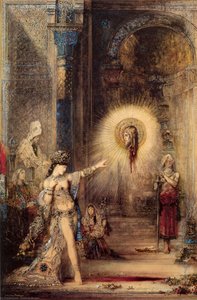
Gustave Moreau (1826-1898), a luminary of the Symbolist movement, stands apart from his contemporaries as an artist singularly devoted to translating inner visions onto canvas. Rejecting the objective gaze of Realism and Impressionism, Moreau embarked on a profound quest for artistic truth—a truth residing not in observable phenomena but in the realm of dreams, myths, and spiritual contemplation. His oeuvre is characterized by an arresting blend of meticulous detail and ethereal atmosphere, reflecting his unwavering belief that art could unlock hidden dimensions of human experience.
Moreau’s masterpiece, Pietà1 (c. 1876), exemplifies the core tenets of Symbolism. Unlike traditional depictions of Mary cradling Jesus after his crucifixion—often imbued with pious piety—Moreau’s interpretation transcends mere religious iconography. Instead, it operates as a complex allegory exploring themes of grief, sacrifice, and divine compassion. Moreau deliberately eschewed naturalistic representation, prioritizing symbolic gesture and evocative color to convey profound emotional resonance.
Moreau’s masterful technique—primarily oil paint on canvas—allowed him to achieve an unprecedented level of textural richness and visual illusion. He employed glazing techniques, applying thin layers of translucent pigment over thicker undercoats to create luminous surfaces that shimmer with otherworldly light. The composition itself is deliberately unsettling, featuring a pyramidal arrangement dominated by Mary's figure, which draws the viewer’s eye upwards towards the heavens. Surrounding her are monumental mountains—symbols of stability and endurance—and an intricate tapestry of floral motifs—representing beauty and fragility.
Moreau’s color palette is strikingly deliberate, reflecting the emotional core of Pietà1. Dominant hues of deep blues and opulent golds convey a sense of solemn grandeur and divine majesty. However, these majestic tones are juxtaposed with muted shades of gray and brown—representing sorrow and decay—creating a poignant visual dialogue. The artist’s careful consideration of color contributes significantly to the painting's emotional impact, mirroring the paradoxical blend of grief and spiritual solace inherent in the biblical narrative.
Gustave Moreau’s pioneering approach to Symbolist painting profoundly influenced subsequent generations of artists. His insistence on psychological depth and symbolic representation paved the way for movements such as Art Nouveau and Surrealism, inspiring painters like Pablo Picasso, Henri Matisse, and Paul Gauguin. Visiting the Musée National Gustave-Moreau in Paris offers a unique opportunity to immerse oneself in Moreau’s visionary world—a testament to his enduring legacy as one of Symbolism's most compelling voices.

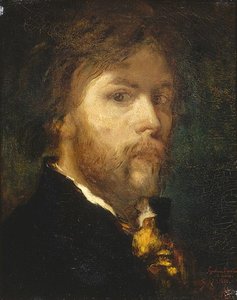
1826 - 1898 , فرنسا

Explore the evocative world of Symbolist painting. Discover how masters like Gustave Moreau rejected realism to capture dreams, myths, and the subconscious through fine art history and expert analysis.

Explore the profound beauty of Greek mythology through art history. From Baroque masterpieces to Renaissance classics, discover how gods and heroes have inspired the world's greatest painters in this expert guide for collectors and history lovers.


ابقَ على اطلاع بأحدث أخبار الفن، والعروض الحصرية، وأفكار الديكور.
أخبرنا عن مشروعك، وسيقدم لك خبراؤنا الفنيون 3 اقتراحات فنية مخصصة لك.
دعنا نختار لك ٣ خيارات مخصصة تماماً - مجاناً!


 معاينة الحجم الحقيقي
 مشاركة
 مشاركة
 التفاصيل

 تحميل الملف
 قطع مشابهة
 الأشعة السينية
 عرض شرائح
 عرض المزيد







 خيار الزجاج متاح فقط للمقاسات التي تقل عن 110 سم