


x

 Acrylic On CanvasWallArtColor Field Painting
 1966
1966 261.0 x 241.0 cm
 متحف الفن الحديث (MoMA)
لوحة زيتية مرسومة يدوياً على الكانفاس بالمقاس والإطار الذي تفضله، تُنفذ حسب الطلب على أيدي فنانينا. ( اشترِ نسخة مطبوعة اشترِ الصورة)





























اختر من بين أحجامنا المُعدّة مسبقًا والتي تتطابق مع النسب الأصلية للعمل الفني.

يمكنك إدخال أبعادك الخاصة لتناسب إطارًا معينًا أو مساحة محددة. وإذا لم يتطابق الحجم الذي اخترته مع نسب الصورة الأصلية، فسنقوم إما بقص العمل الفني أو توسيع اللوحة بإضافة عناصر مرسومة يدويًا. سيتم إرسال نموذج رقمي إليك للموافقة عليه قبل بدء الإنتاج.
يرجى ملاحظة أن المعاينة على الشاشة لا تعكس عملية القص أو التوسيع الفعلية؛ حيث إن النموذج الرقمي وحده هو الذي سيوضح التكوين النهائي بدقة.
وعلى الرغم من توفر أحجام مخصصة، إلا أننا نوصي باختيار أبعاد من القائمة المحددة مسبقًا للحفاظ على النسب الأصلية للعمل الفني.
توصيل عالمي إلى خلال 3 إلى 4 أسابيع بدلاً من المدة المعتادة البالغة 5 أسابيع. (23 أغسطس). جودة لا تهاون فيها.


Mauve District
مقاس النسخة المطبوعة
Helen Frankenthaler's "Mauve District," painted in 1966, isn’t merely a canvas adorned with color; it’s an immersive experience, a testament to the artist’s revolutionary approach to painting and her profound connection to the landscape. This work, currently residing within the hallowed halls of the Museum of Modern Art in New York City, embodies the core tenets of Color Field painting – a movement that sought to elevate color itself as the primary subject matter, moving away from traditional representational forms.
The painting immediately captivates with its expansive mauve field, dominated by a large, subtly defined square. However, this initial impression quickly dissolves into a complex interplay of textures and layers. Frankenthaler’s signature “soak-stain” technique—a process she pioneered—is vividly demonstrated here. She poured thinned acrylic paint directly onto the raw canvas, allowing it to bleed and pool, creating an organic, almost topographical surface. This deliberate rejection of brushstrokes results in a remarkably luminous quality; the colors seem to vibrate with an internal light, as if emanating from within the very fabric of the painting.
Beyond its visual allure, “Mauve District” speaks volumes about Frankenthaler’s evolving artistic philosophy. Following her initial explorations in Abstract Expressionism, she began to experiment with ways to integrate color directly into the support – the canvas itself – rather than applying it solely to a surface. This shift fundamentally altered the relationship between paint and ground, creating a sense of depth and dimensionality previously unseen in painting. The subtle variations within the mauve field—shifts in tone and intensity—suggest an underlying geography, evoking the feeling of vast open spaces or rolling hills. The strategically placed wedge of exposed canvas acts as a visual counterpoint to the painted surface, simultaneously emphasizing and negating the boundaries of the artwork.
“Mauve District” emerged during a period of intense experimentation in American art. The late 1960s witnessed a burgeoning interest in color theory and non-objective painting, fueled by artists like Mark Rothko and Barnett Newman. Frankenthaler’s work stands apart through its dynamic layering and the way she manipulated the canvas as an active participant in the creative process. Her technique wasn't simply about applying color; it was about creating a visual dialogue between pigment and material, a conversation that continues to resonate with viewers today.
While Frankenthaler herself resisted assigning definitive interpretations to her paintings, “Mauve District” undeniably evokes feelings of tranquility, contemplation, and perhaps even a touch of melancholy. The muted palette—a blend of pinks, purples, and blues—creates a sense of serenity, while the textured surface invites tactile engagement. The painting’s expansive scale further contributes to its immersive quality, drawing the viewer into a world of color and form. It's a piece that rewards prolonged observation, revealing new nuances with each glance.
“Mauve District” remains a pivotal work in Helen Frankenthaler’s oeuvre and a cornerstone of Color Field painting. Its innovative technique, evocative imagery, and profound emotional resonance continue to captivate audiences worldwide. Whether admired for its technical brilliance or appreciated for its ability to transport the viewer to another realm, this painting stands as a testament to the transformative power of color and the enduring legacy of one of America’s most influential artists.


1928 - 2011 , الولايات المتحدة الأمريكية

Explore the profound emotional depth of Color Field painting. Discover the history of mid-century abstraction, from Rothko to Newman, and learn how pure color transforms the viewer's experience through our expert art history guide.

Explore the profound emotional depth of Color Field painting. Our expert guide delves into the post-war origins of Abstract Expressionism, analyzing masterpieces by Rothko and Newman. Discover museum-grade, hand-painted oil reproductions that bring art history to your walls.

Explore the profound history and emotional depth of Color Field painting. From Mark Rothko to Barnett Newman, discover how pure color redefined modern art through our expert-led guide for students and collectors alike.
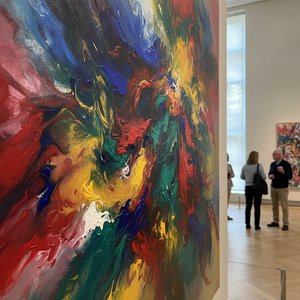
Explore the profound emotional depth of Lyrical Abstraction. Discover how masters like Raymond Parker used color and form to bridge Impressionism and Abstract Expressionism. Learn about this pivotal movement through our expert-led art history guide.


ابقَ على اطلاع بأحدث أخبار الفن، والعروض الحصرية، وأفكار الديكور.
أخبرنا عن مشروعك، وسيقدم لك خبراؤنا الفنيون 3 اقتراحات فنية مخصصة لك.
دعنا نختار لك ٣ خيارات مخصصة تماماً - مجاناً!


 معاينة الحجم الحقيقي
 مشاركة
 مشاركة
 التفاصيل

 تحميل الملف
 قطع مشابهة
 الأشعة السينية
 عرض شرائح
 عرض المزيد







 خيار الزجاج متاح فقط للمقاسات التي تقل عن 110 سم


