x

 Acrylic On CanvasWallArtFauvist Expressionism
 1902
1902 64.0 x 46.0 cm
طباعة جيكلي أو كانفاس بجودة المتاحف، مع سرعة في التنفيذ وخيارات متنوعة للتشطيب. ( اشترِ لوحة مرسومة يدويًا اشترِ الصورة)





























اختر من بين أحجامنا المُعدّة مسبقًا والتي تتطابق مع النسب الأصلية للعمل الفني.

يمكنك إدخال أبعادك الخاصة لتناسب إطاراً أو مساحة معينة. وإذا لم يتطابق الحجم الذي اخترته مع نسب الصورة الأصلية، فسنقوم إما بقص العمل الفني أو تمديد الصورة باستخدام حافة معكوسة أو بلون مصمت. سيتم إرسال نموذج تجريبي رقمي لاعتمادك قبل بدء الإنتاج.
يرجى ملاحظة أن المعاينة على الشاشة لا تعكس عملية القص أو التمديد الفعلية؛ حيث سيوضح النموذج التجريبي فقط التكوين النهائي بدقة.
وعلى الرغم من توفر أحجام مخصصة، إلا أننا نوصي باختيار أبعاد من القائمة المحددة مسبقاً للحفاظ على النسب الأصلية.
توصيل عالمي إلى خلال أسبوعين بدلاً من المدة القياسية البالغة 4/5 أسابيع. 20 أغسطس


Still Life
مقاس النسخة المطبوعة
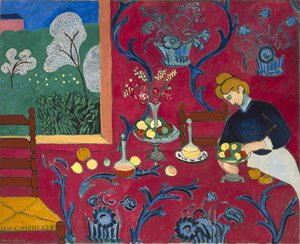
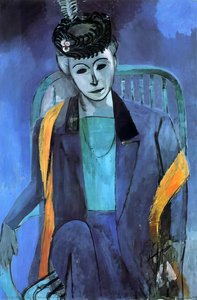
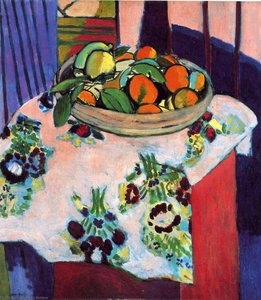
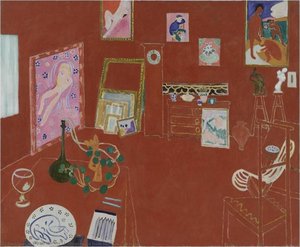
Henri Matisse’s “Still Life,” painted in 1902, stands as a cornerstone of the Fauvist movement—a radical departure from Impressionism that championed pure color and expressive brushstrokes above meticulous representation. This deceptively simple composition captures a moment of domestic tranquility: a table laden with earthenware bowls, cups, and vases overflowing with blossoms, alongside scattered apples offering textural contrast.
Matisse’s technique is instantly recognizable. Abandoning the subtle gradations of light and shadow favored by his predecessors, he applied pigment directly onto the canvas in bold, unmixed hues—primarily reds, yellows, and blues—creating a vibrant tapestry that assaults the senses with its intensity. This deliberate disregard for naturalistic color was intended to convey emotion rather than merely depict what the eye sees. As Matisse himself famously stated, “I want to paint what I see, not what I think.”
The painting’s genesis lies in a period of significant artistic experimentation. Following his convalescence from appendicitis, Matisse rediscovered painting as a passion and enrolled at the École Nationale des Beaux-Arts. Influenced by Cézanne's geometric simplification and Gauguin’s expressive use of color, he began to forge his own distinctive style—one that would soon propel him to international acclaim.
Beyond its visual dynamism, “Still Life” carries subtle symbolic weight. The flowers represent beauty and fragility, mirroring the fleeting nature of life itself. The apples symbolize ripeness and abundance, yet their scattered placement introduces an element of disorder—perhaps hinting at the complexities inherent in everyday existence. Matisse’s masterful control over color and form elevates this seemingly commonplace subject into a profound meditation on artistic expression.
"Still Life" isn't merely a visual spectacle; it evokes a feeling of warmth, serenity, and joy. The artist’s confident brushstrokes convey an unwavering belief in the transformative power of color—a conviction that continues to inspire artists and collectors alike. Reproductions of this iconic artwork offer a captivating glimpse into Matisse’s artistic vision and its enduring legacy.


1869 - 1954 , فرنسا

Explore the profound evolution of Post-Impressionist landscapes. From Van Gogh's emotional brushwork to Cézanne's structural mastery, discover how these visionaries redefined art history through color and form in this expert guide for fine art enthusiasts.

Explore the transformative era of Post-Impressionism. Discover how masters like Van Gogh moved beyond light to embrace emotion, structure, and vibrant color, redefining modern art history through expressive brushwork and symbolic depth.


ابقَ على اطلاع بأحدث أخبار الفن، والعروض الحصرية، وأفكار الديكور.
أخبرنا عن مشروعك، وسيقدم لك خبراؤنا الفنيون 3 اقتراحات فنية مخصصة لك.
دعنا نختار لك ٣ خيارات مخصصة تماماً - مجاناً!


 معاينة الحجم الحقيقي
 مشاركة
 مشاركة
 التفاصيل

 تحميل الملف
 قطع مشابهة
 الأشعة السينية
 عرض شرائح
 عرض المزيد







 خيار الزجاج متاح فقط للمقاسات التي تقل عن 110 سم