x


 Preview
 اطلب نسخة مرسومة يدوياً شراء الصورة بدقة عالية
 مشاركة
 التفاصيل
 أضف إلى المفضلة
 تحميل الملف
 قطع مشابهة
 الأشعة السينية
 عرض شرائح
 Acrylic On CanvasWallArtEarly Netherlandish Painting
 1510
1510 135.0 x 45.0 cm
 متحف برادو
طباعة جيكلي أو كانفاس بجودة المتاحف، مع سرعة في التنفيذ وخيارات متنوعة للتشطيب.





























اختر من بين أحجامنا المُعدّة مسبقًا والتي تتطابق مع النسب الأصلية للعمل الفني.

يمكنك إدخال أبعادك الخاصة لتناسب إطاراً أو مساحة معينة. وإذا لم يتطابق الحجم الذي اخترته مع نسب الصورة الأصلية، فسنقوم إما بقص العمل الفني أو تمديد الصورة باستخدام حافة معكوسة أو بلون مصمت. سيتم إرسال نموذج تجريبي رقمي لاعتمادك قبل بدء الإنتاج.
يرجى ملاحظة أن المعاينة على الشاشة لا تعكس عملية القص أو التمديد الفعلية؛ حيث سيوضح النموذج التجريبي فقط التكوين النهائي بدقة.
وعلى الرغم من توفر أحجام مخصصة، إلا أننا نوصي باختيار أبعاد من القائمة المحددة مسبقاً للحفاظ على النسب الأصلية.
توصيل عالمي إلى خلال أسبوعين بدلاً من المدة القياسية البالغة 4/5 أسابيع. 26 يوليو


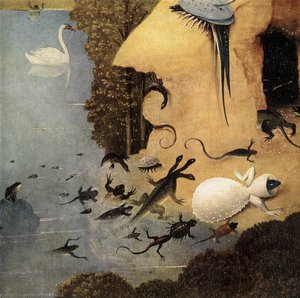
Paradise and Hell
مقاس النسخة المطبوعة
Hieronymus Bosch’s “Paradise and Hell,” completed around 1510, stands as one of the most unsettling and enduring visions of the afterlife produced during the Renaissance. This monumental double-sided altarpiece transcends mere depiction; it plunges viewers into a meticulously crafted psychological landscape brimming with biblical allegory and disturbing imagery—a testament to Bosch’s unparalleled ability to capture both divine grace and demonic torment.
Historical Context & Artistic Innovation Bosch’s work emerged during a period marked by religious anxieties and intellectual ferment—the Reformation was gaining momentum across Europe. He drew heavily upon medieval folklore and Christian symbolism, blending fantastical elements with moral didacticism. Unlike many of his contemporaries who adhered to idealized representations of biblical scenes, Bosch deliberately distorted reality to express profound psychological truths about human nature. His approach foreshadowed the darker currents of Expressionist art centuries later.
Symbolism & Emotional Impact The symbolism embedded within “Paradise and Hell” is extraordinarily complex. Recurring motifs—such as demons, hybrids (creatures combining animal and human features), and grotesque distortions—represent temptations and sins that threaten to corrupt the soul. Bosch’s aim wasn't merely to frighten viewers but to provoke introspection about morality and salvation. The painting’s enduring power lies in its ability to evoke visceral emotions – fear, pity, awe – forcing us to confront our own mortality and grapple with fundamental questions about faith and damnation.
Further Exploration For a deeper understanding of Bosch's artistic legacy, consider visiting Palazzo Ducale di Venezia (Palazzo Ducale) where you can admire masterpieces by Titian and Veronese – artists influenced by Bosch’s visionary style. Alternatively, delve into “Hieronymus Bosch: Decoding the Visions of a Netherlandish Master” (Hieronymus Bosch) for an insightful analysis of his artistic innovations and enduring influence. You can also explore “Mystical Masterpieces: 10 Artworks That Transcends Reality |” (Mystical Masterpieces) to discover similar artistic expressions of spiritual contemplation.

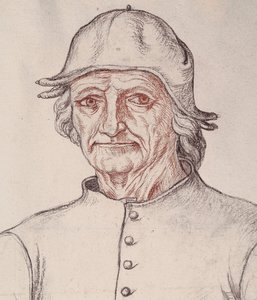
1450 - 1516 , هولندا
اكتشف 25 تحفة فنية لهيرونيموس بوش، رائد فن العصور الوسطى. استكشف الرمزية العميقة في لوحاته الزيتية الخالدة وألوانه الفريدة. احصل على نسخ أصلية عالية الجودة لتزيين منزلك. تصفح المجموعة الكاملة الآن على Most-Famous-Paintings.com!
اكتشف روائع عصر النهضة المبكرة! استكشف 10 تحف فنية خالدة مع ليوناردو و مايكل أنجلو. قصص الفنانين، تقنيات الرسم، وأكثر. احصل على لوحات زيتية عالية الجودة من Most-Famous-Paintings.com وابدأ رحلتك الفنية الآن!

اكتشف أروع 25 تحفة فنية في متحف المتروبوليتان، نيويورك! قصص ليوناردو دا فينشي وفان جوخ وبيكاسو وأكثر. لوحات كلاسيكية ومعاصرة لإلهام ديكور منزلك. تسوق إعادة إنتاج اللوحات عالية الجودة على Most-Famous-Paintings.com.
اكتشف أروع 25 تحفة فنية في متاحف برلين الحكومية! تعرف على قصص الفنانين، وحركاتهم الفنية، وألوان لوحاتهم الخالدة. احصل على نسخ عالية الجودة من أعمال نفرتيتي وشينكل وغيرها. استلهم ديكور منزلك على Most-Famous-Paintings.com
اكتشف أروع 25 لوحة فنية في متحف برادو بمدريد! رحلة آسرة مع روائع فيلاسكيز، غويا، إل جريكو وأكثر. قصص فنانين وتقنيات فريدة. احصل على نسخ عالية الجودة لديكور منزلك الفاخر على Most-Famous-Paintings.com


ابقَ على اطلاع بأحدث أخبار الفن، والعروض الحصرية، وأفكار الديكور.
أخبرنا عن مشروعك، وسيقدم لك خبراؤنا الفنيون 3 اقتراحات فنية مخصصة لك.
دعنا نختار لك ٣ خيارات مخصصة تماماً - مجاناً!


 مشاركة

 عرض المزيد







 خيار الزجاج متاح فقط للمقاسات التي تقل عن 110 سم