x

طباعة جيكلي أو كانفاس بجودة المتاحف، مع سرعة في التنفيذ وخيارات متنوعة للتشطيب. ( اشترِ لوحة مرسومة يدويًا اشترِ الصورة)





























اختر من بين أحجامنا المُعدّة مسبقًا والتي تتطابق مع النسب الأصلية للعمل الفني.

يمكنك إدخال أبعادك الخاصة لتناسب إطاراً أو مساحة معينة. وإذا لم يتطابق الحجم الذي اخترته مع نسب الصورة الأصلية، فسنقوم إما بقص العمل الفني أو تمديد الصورة باستخدام حافة معكوسة أو بلون مصمت. سيتم إرسال نموذج تجريبي رقمي لاعتمادك قبل بدء الإنتاج.
يرجى ملاحظة أن المعاينة على الشاشة لا تعكس عملية القص أو التمديد الفعلية؛ حيث سيوضح النموذج التجريبي فقط التكوين النهائي بدقة.
وعلى الرغم من توفر أحجام مخصصة، إلا أننا نوصي باختيار أبعاد من القائمة المحددة مسبقاً للحفاظ على النسب الأصلية.
توصيل عالمي إلى خلال أسبوعين بدلاً من المدة القياسية البالغة 4/5 أسابيع. 18 أغسطس


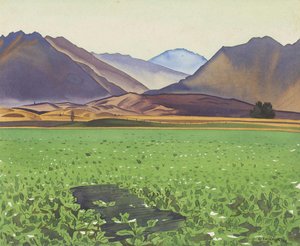
Liptov landscape
مقاس النسخة المطبوعة

Born in 1909 in the small village of Sotina, Slovakia, Jan Mudroch (also known as Ján Mudroch) embarked on a lifelong artistic journey marked by an unwavering pursuit of new forms and a deep engagement with the landscapes of his homeland. His work, often characterized by a haunting beauty and symbolic depth, firmly places him within the influential “Generation 1909” movement – a group of Central European artists who sought to break from traditional academic styles and explore the subconscious through innovative techniques.
Mudroch’s early artistic development was shaped by private instruction with Gustáv Mallý in Bratislava and, later, formal training at the Academy of Fine Arts in Prague under Arnošt Hofbauer. This exposure to diverse artistic approaches proved crucial, laying the groundwork for his distinctive style. However, it was in Bratislava that he truly established himself as a leading figure, eventually becoming the first principal of the Academy of Fine Arts – a role that allowed him to nurture and guide the next generation of Slovak artists.
Mudroch’s artistic language is immediately recognizable through his evocative depictions of Slovak landscapes, particularly those from the region of Liptov. These aren't merely representations of scenery; they are imbued with a potent symbolism that invites contemplation. Mountains rise like silent witnesses to time, rivers flow with an almost palpable energy, and fields stretch out into hazy distances – all rendered in a palette of rich, earthy tones punctuated by vibrant bursts of color.
He frequently employed still life arrangements, often featuring objects such as chrysanthemums, fruits, and skulls. These seemingly simple subjects served as vehicles for exploring themes of mortality, memory, and the cyclical nature of existence. The recurring motif of the yellow chrysanthemum, exemplified in his iconic work “Yellow Chrysanthemum,” is particularly significant, representing both beauty and fragility within a larger symbolic framework.
Mudroch’s technique evolved significantly throughout his career. Initially influenced by Flemish Primitive painting – evidenced by the meticulous detail and dramatic lighting of works like "Liptov Landscape" – he gradually developed a more expressive, post-impressionistic style. He masterfully utilized textured impasto to create a tactile surface that seemed to pulsate with life, while also incorporating elements of surrealism through distorted perspectives and dreamlike imagery.
While often associated with the Generation 1909 movement, Mudroch’s work also reveals subtle connections to Flemish symbolism and the meticulous observation of nature characteristic of artists like Jan Brueghel the Elder. His ability to capture both the grandeur and the quiet intimacy of the Slovak landscape demonstrates a deep understanding of artistic tradition combined with a bold desire for innovation.
Jan Mudroch’s contribution to Slovak art is profound, establishing him as one of the most important figures in 20th-century Central European painting. His work continues to resonate with viewers today due to its emotional depth, symbolic richness, and masterful execution. His paintings are highly sought after, often commanding significant prices at auction – a testament to their enduring artistic value.
Beyond his individual achievements, Mudroch played a vital role in fostering the development of Slovak art education, shaping the careers of countless artists who followed in his footsteps. His legacy extends far beyond the canvas, representing a commitment to artistic exploration and a deep appreciation for the beauty and mystery of the natural world.

1909 - 1968 , Slovakia

Explore the profound history and technical mastery of watercolor painting. From medieval manuscripts to the luminous works of John Singer Sargent, discover how artists capture light and transparency through this delicate, enduring medium.


ابقَ على اطلاع بأحدث أخبار الفن، والعروض الحصرية، وأفكار الديكور.
أخبرنا عن مشروعك، وسيقدم لك خبراؤنا الفنيون 3 اقتراحات فنية مخصصة لك.
دعنا نختار لك ٣ خيارات مخصصة تماماً - مجاناً!


 معاينة الحجم الحقيقي
 مشاركة
 مشاركة
 التفاصيل

 تحميل الملف
 قطع مشابهة
 الأشعة السينية
 عرض شرائح

 عرض المزيد







 خيار الزجاج متاح فقط للمقاسات التي تقل عن 110 سم