


x
 Oil On CanvasWallArtRococo
 1744
1744 61.0 x 49.0 cm
 غاليريا أوفيزي
احصل على صورة رقمية عالية الدقة ومعزّنة، بجودة تفوق بكثير المعاينة عبر الإنترنت.
يتم إعداد كل ملف بعناية فائقة من قبل متخصصينا الداخليين باستخدام أدوات متقدمة ولمسات يدوية خبيرة. نضمن أن تتمتع كل صورة بوضوح استثنائي، ودقة لونية متناهية، وتفاصيل دقيقة.
يتم تسليم الملف النهائي عبر البريد الإلكتروني في غضون 72 ساعة، وهو مُحسَّن للاستخدام الفوري في المجالات المهنية والتحريرية ومجالات الطباعة. هذه هي ذات الجودة التي تعتمد عليها كبرى استوديوهات التصميم ودور النشر والمعارض الفنية المرموقة.
حمّل ملفاً عالي الدقة للعرض الشخصي، والطباعة، والمشاريع الإبداعية. ( اشترِ نسخة مطبوعة اشترِ لوحة مرسومة يدويًا)
عندما تختار Most-Famous-Paintings.com، فأنت لا تحصل على مجرد صورة فحسب، بل ستحصل على عمل فني رقمي مُحسّن باحترافية، صُمم بدقة متناهية ومصحوب بضمان الرضا. إليك كل ما يتضمنه طلبك تلقائياً:

ستصلك ملفات صورك الرقمية عالية الدقة عبر البريد الإلكتروني في غضون 72 ساعة من إتمام الطلب - لتكون جاهزة للاستخدام الفوري.

يتم تحسين عملك الفني باحترافية باستخدام أدوات الذكاء الاصطناعي المتقدمة والتحرير اليدوي، لضمان أقصى درجات التفاصيل والوضوح ودقة الألوان.

هل حذفت ملفك أو فقدته عن طريق الخطأ؟ لا تقلق - سنعيد إرساله إليك في أي وقت، ومجاناً.

استمتع بأعمالك الفنية فوراً دون أي رسوم جمركية أو ضرائب أو مصاريف شحن - فالتحميلات الرقمية دائماً ما تكون معفاة من الضرائب.

نحن نضمن أن تعكس صورتك الرقمية الألوان الأصلية بأقصى قدر ممكن من الدقة، وذلك باستخدام أدوات احترافية وتقنيات إدارة الألوان.

إذا لم تكن راضياً عن صورتك الرقمية، فسنقوم بتعديلها أو استرداد 100% من قيمتها خلال 60 يوماً - دون أي أسئلة.

لم تكن راضياً؟ احصل على استرداد كامل المبلغ خلال 60 يومًا من استلام ملفك الرقمي - دون أي أسئلة.

اشتري 3 صور، ووفر 10% - اشتري 5، ووفر 15% - اشتري +10، ووفر 20%. مثالية للمشاريع الإبداعية، والمعارض، والوكالات.
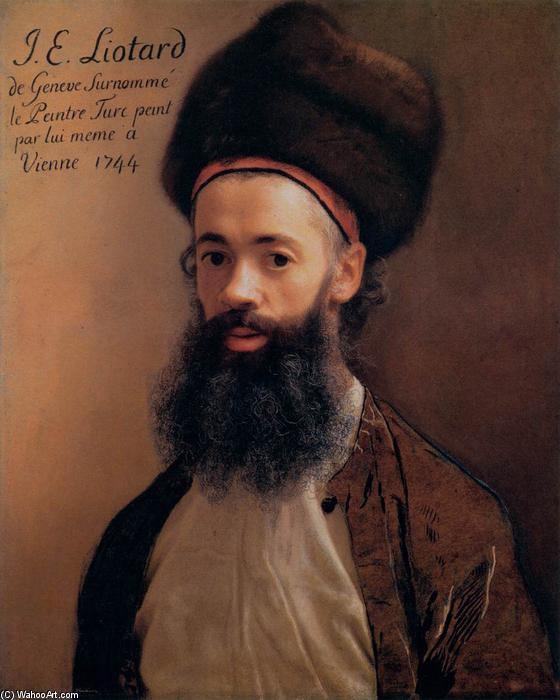
The year 1744 marks a pivotal moment in the artistic trajectory of Jean-Étienne Liotard, a Genevan painter whose oeuvre is defined by an exquisite blend of naturalism and ethereal beauty. His “Self-Portrait,” housed within the hallowed halls of the Uffizi Gallery in Florence, isn’t merely a depiction of a man; it's a carefully constructed meditation on identity, perception, and the delicate balance between the observed world and the inner self. Painted during his period in Rome, this pastel masterpiece exemplifies Liotard’s signature style – a luminous, almost dreamlike quality achieved through masterful layering and an unparalleled sensitivity to light and texture.
Liotard's technique is immediately striking. He eschews the rigid formality of traditional portraiture, opting instead for a relaxed pose and a gaze that feels both direct and contemplative. The pastel medium itself—a relatively new tool in 18th-century art—allowed Liotard to build up color with astonishing subtlety, creating an effect akin to sfumato, the hazy blurring technique perfected by Leonardo da Vinci. Notice how he employs delicate washes of pinks, blues, and greens to capture the nuances of light on his face and clothing, imbuing the portrait with a sense of atmospheric depth. The background, rendered in loose, impressionistic strokes, isn’t merely decorative; it subtly reinforces the feeling of introspection, suggesting an inner landscape mirroring the sitter's thoughts.
Born in Geneva in 1702, Liotard’s early life was shaped by his Huguenot heritage and a rigorous artistic training under esteemed miniaturists. However, it was his sojourn to Constantinople between 1738 and 1742 that profoundly influenced his artistic vision. Immersed in the vibrant culture of the Ottoman Empire, he developed a fascination with Eastern aesthetics – particularly the use of rich colors, luxurious fabrics, and the portrayal of everyday life. This influence is subtly present in “Self-Portrait,” not through overt Orientalist tropes, but rather through the overall mood of serenity and an appreciation for tactile textures. The loose brushwork and soft color palette evoke a sense of exoticism without resorting to stereotypical imagery.
Interestingly, Liotard’s embrace of the East wasn't solely aesthetic; it was also deeply personal. He deliberately adopted Turkish dress in his portraits, a conscious decision that challenged European conventions and established him as a unique figure within the art world. This choice, documented in numerous accounts, reflected not just an artistic preference but a genuine engagement with a culture vastly different from his own. It’s a testament to Liotard's intellectual curiosity and willingness to transcend conventional boundaries.
Beyond its technical brilliance, “Self-Portrait” is rich in symbolic meaning. The sitter’s direct gaze invites the viewer into his world, fostering a sense of intimacy and shared contemplation. The slightly parted lips suggest a quiet amusement, while the subtle furrow of his brow hints at underlying thoughts and emotions. Some art historians have interpreted the portrait as an exploration of the concept of “inner space”—a realm where the self is revealed through careful observation and artistic representation.
The inclusion of a small, partially visible book in the foreground adds another layer of complexity. It’s a subtle nod to Liotard's own intellectual pursuits – his studies of art theory and his role as an art dealer. The book symbolizes knowledge, reflection, and the pursuit of understanding—qualities that are central to the portrait’s overall message. The soft lighting and hazy atmosphere further contribute to this sense of introspection, creating a space where the viewer is invited to contemplate not just the subject's appearance but also his inner world.
Liotard’s “Self-Portrait” remains a captivating work of art, offering a rare glimpse into the mind and soul of a remarkable artist. Its delicate pastel technique, evocative atmosphere, and profound symbolism continue to resonate with viewers centuries after its creation. A high-quality reproduction captures much of this beauty, making it an ideal addition to any collection or interior space. The painting’s luminous quality and contemplative mood create a sense of serenity and intellectual engagement—a perfect choice for those seeking art that transcends mere decoration.


1702 - 1789 , سويسرا


ابقَ على اطلاع بأحدث أخبار الفن، والعروض الحصرية، وأفكار الديكور.
أخبرنا عن مشروعك، وسيقدم لك خبراؤنا الفنيون 3 اقتراحات فنية مخصصة لك.
دعنا نختار لك ٣ خيارات مخصصة تماماً - مجاناً!


 معاينة الحجم الحقيقي
 مشاركة
 مشاركة
 التفاصيل

 تحميل الملف
 قطع مشابهة
 الأشعة السينية
 عرض شرائح
 عرض المزيد


