


x

احصل على صورة رقمية عالية الدقة ومعزّنة، بجودة تفوق بكثير المعاينة عبر الإنترنت.
يتم إعداد كل ملف بعناية فائقة من قبل متخصصينا الداخليين باستخدام أدوات متقدمة ولمسات يدوية خبيرة. نضمن أن تتمتع كل صورة بوضوح استثنائي، ودقة لونية متناهية، وتفاصيل دقيقة.
يتم تسليم الملف النهائي عبر البريد الإلكتروني في غضون 72 ساعة، وهو مُحسَّن للاستخدام الفوري في المجالات المهنية والتحريرية ومجالات الطباعة. هذه هي ذات الجودة التي تعتمد عليها كبرى استوديوهات التصميم ودور النشر والمعارض الفنية المرموقة.
حمّل ملفاً عالي الدقة للعرض الشخصي، والطباعة، والمشاريع الإبداعية. ( اشترِ نسخة مطبوعة اشترِ لوحة مرسومة يدويًا)
عندما تختار Most-Famous-Paintings.com، فأنت لا تحصل على مجرد صورة فحسب، بل ستحصل على عمل فني رقمي مُحسّن باحترافية، صُمم بدقة متناهية ومصحوب بضمان الرضا. إليك كل ما يتضمنه طلبك تلقائياً:

ستصلك ملفات صورك الرقمية عالية الدقة عبر البريد الإلكتروني في غضون 72 ساعة من إتمام الطلب - لتكون جاهزة للاستخدام الفوري.

يتم تحسين عملك الفني باحترافية باستخدام أدوات الذكاء الاصطناعي المتقدمة والتحرير اليدوي، لضمان أقصى درجات التفاصيل والوضوح ودقة الألوان.

هل حذفت ملفك أو فقدته عن طريق الخطأ؟ لا تقلق - سنعيد إرساله إليك في أي وقت، ومجاناً.

استمتع بأعمالك الفنية فوراً دون أي رسوم جمركية أو ضرائب أو مصاريف شحن - فالتحميلات الرقمية دائماً ما تكون معفاة من الضرائب.

نحن نضمن أن تعكس صورتك الرقمية الألوان الأصلية بأقصى قدر ممكن من الدقة، وذلك باستخدام أدوات احترافية وتقنيات إدارة الألوان.

إذا لم تكن راضياً عن صورتك الرقمية، فسنقوم بتعديلها أو استرداد 100% من قيمتها خلال 60 يوماً - دون أي أسئلة.

لم تكن راضياً؟ احصل على استرداد كامل المبلغ خلال 60 يومًا من استلام ملفك الرقمي - دون أي أسئلة.

اشتري 3 صور، ووفر 10% - اشتري 5، ووفر 15% - اشتري +10، ووفر 20%. مثالية للمشاريع الإبداعية، والمعارض، والوكالات.
John Constable's *The Hay-Wain*, completed in 1821, is more than just a depiction of the English countryside; it’s an emotional testament to a landscape deeply loved and meticulously observed. This iconic painting, now residing within the National Gallery in London, transcends its subject matter – a simple rural scene of agricultural life – to become a powerful symbol of national identity and artistic innovation. The detail showcased in reproductions offered by platforms like Most-Famous-Paintings.com allows viewers to appreciate the subtle nuances that elevate this work beyond mere representation into the realm of poetic expression.
Constable wasn’t striving for grand historical narratives or dramatic allegories; his ambition lay in capturing the fleeting beauty of the everyday world around him. *The Hay-Wain* is a quintessential example of this approach, portraying a scene on the River Stour between Suffolk and Essex – specifically, the idyllic Dedham Vale, an area intimately connected to Constable’s personal history. His father owned land there, providing both financial security and a constant source of inspiration. The painting isn't simply *of* Dedham Vale; it *is* Dedham Vale as filtered through the lens of memory and affection. The composition centers on a hay wagon navigating the shallow waters, pulled by horses and accompanied by figures engaged in their daily routines. Willy Lott’s Cottage, a landmark that Constable revisited frequently in his work, anchors the left side of the canvas, lending a sense of permanence to the transient scene. The meticulous rendering of light and atmosphere—the dappled sunlight filtering through the trees, the reflections on the water—demonstrates Constable's mastery of oil paint and his dedication to capturing the ephemeral qualities of nature.
While often categorized within the Romantic movement, Constable’s approach diverged from many of his contemporaries. He rejected the prevailing emphasis on dramatic compositions and idealized forms, instead prioritizing direct observation and a faithful rendering of natural light and color. This commitment to “truth to nature,” as he termed it, was revolutionary for its time. He drew inspiration from earlier masters like Claude Lorrain and Jacob van Ruisdael, admiring their atmospheric effects and compositional balance, but infused his work with a distinctly English sensibility. *The Hay-Wain*, initially titled *Landscape: Noon*, wasn’t intended as a grand statement or historical depiction; it was an attempt to convey the emotional resonance of a specific place at a particular moment. This focus on personal experience and subjective perception marked a significant shift in artistic priorities, paving the way for later movements like Impressionism. The painting's initial reception was mixed, with some critics finding its subject matter too commonplace for such a large-scale canvas; however, it gradually gained recognition as a masterpiece of English landscape painting.
Beyond its aesthetic beauty, *The Hay-Wain* carries subtle layers of symbolism. The hay wagon itself represents the cycle of agricultural life, the bounty of the land, and the enduring connection between humanity and nature. The figures depicted are not individualized portraits but rather archetypes representing rural laborers, embodying a sense of community and tradition. Constable’s deliberate choice to depict a working landscape—rather than an idealized pastoral fantasy—suggests a respect for the dignity of labor and the importance of preserving traditional ways of life. The painting evokes a feeling of tranquility and harmony, inviting viewers to immerse themselves in the beauty of the English countryside. However, it's important to acknowledge that this idyllic vision was painted during a period of significant social and economic change, with industrialization rapidly transforming the landscape. In this context, *The Hay-Wain* can also be interpreted as a nostalgic lament for a vanishing way of life—a yearning for a simpler, more harmonious past.

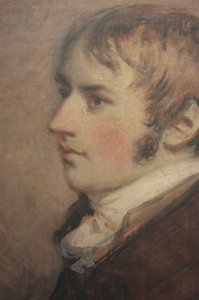
1776 - 1837 , المملكة المتحدة


ابقَ على اطلاع بأحدث أخبار الفن، والعروض الحصرية، وأفكار الديكور.
أخبرنا عن مشروعك، وسيقدم لك خبراؤنا الفنيون 3 اقتراحات فنية مخصصة لك.
دعنا نختار لك ٣ خيارات مخصصة تماماً - مجاناً!


 معاينة الحجم الحقيقي
 مشاركة
 مشاركة
 التفاصيل

 تحميل الملف
 قطع مشابهة
 الأشعة السينية
 عرض شرائح


 عرض المزيد


