x


طباعة جيكلي أو كانفاس بجودة المتاحف، مع سرعة في التنفيذ وخيارات متنوعة للتشطيب. ( Switch to hand made Painting Switch to Image)





























اختر من بين أحجامنا المُعدّة مسبقًا والتي تتطابق مع النسب الأصلية للعمل الفني.

يمكنك إدخال أبعادك الخاصة لتناسب إطاراً أو مساحة معينة. وإذا لم يتطابق الحجم الذي اخترته مع نسب الصورة الأصلية، فسنقوم إما بقص العمل الفني أو تمديد الصورة باستخدام حافة معكوسة أو بلون مصمت. سيتم إرسال نموذج تجريبي رقمي لاعتمادك قبل بدء الإنتاج.
يرجى ملاحظة أن المعاينة على الشاشة لا تعكس عملية القص أو التمديد الفعلية؛ حيث سيوضح النموذج التجريبي فقط التكوين النهائي بدقة.
وعلى الرغم من توفر أحجام مخصصة، إلا أننا نوصي باختيار أبعاد من القائمة المحددة مسبقاً للحفاظ على النسب الأصلية.
توصيل عالمي إلى خلال أسبوعين بدلاً من المدة القياسية البالغة 4/5 أسابيع. 30 يوليو


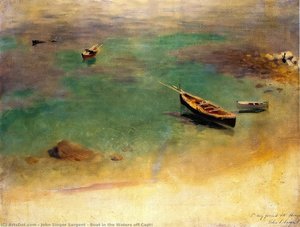
Two Octopi
مقاس النسخة المطبوعة
John Singer Sargent’s “Two Octopi,” painted in 1875, offers a captivating glimpse into the artist’s burgeoning fascination with capturing both the grandeur of subject and the subtle nuances of character. This seemingly simple portrait – two octopi positioned on a wooden table – reveals a sophisticated understanding of composition, light, and texture that would become hallmarks of Sargent's career. The painting’s immediate appeal lies in its directness; it eschews elaborate narrative for an intimate encounter with these remarkable creatures, inviting the viewer into a moment of quiet observation.
Sargent’s technique in “Two Octopi” is characterized by his loose, confident brushstrokes – a departure from the more rigid academic styles prevalent at the time. He employs broken color, layering thin washes of pigment to create an illusion of depth and luminosity. The way he renders the octopus's skin—a complex interplay of blues, greens, and browns—demonstrates a keen eye for capturing the tactile quality of the subject. Notice how the light catches on the tentacles, creating shimmering highlights that suggest movement and vitality. This approach aligns with the burgeoning Impressionistic influences circulating within the European art world during this period, though Sargent retains his own distinct style, prioritizing observation over strict adherence to artistic dogma.
The choice of octopi is particularly intriguing. Considering Sargent's upbringing amidst a constant flow of European travel—Florence, Italy; France, Germany, Switzerland—the sea and its inhabitants held a profound significance for him. Octopi, with their intelligence, adaptability, and association with the depths of the ocean, could be interpreted as symbols of exploration, transformation, and perhaps even hidden knowledge. The two octopi facing each other suggest a dialogue, an exchange of ideas or simply a shared moment of contemplation – themes frequently explored in Sargent’s portraits of wealthy patrons.
"Two Octopi" was created during the height of the Gilded Age, a period of immense wealth and social change in America. Sargent's work reflects this era’s fascination with luxury, leisure, and portraiture as a means of establishing status and identity. While not commissioned for a specific individual, the painting speaks to the broader trends of the time – an interest in exotic subjects and a desire to capture beauty and sophistication. The wooden table setting adds another layer of meaning, grounding the fantastical creatures within a domestic space, subtly commenting on the relationship between nature and civilization.
This captivating artwork by John Singer Sargent is more than just a beautiful image; it’s an investment in art history. Its evocative composition and masterful technique make it a compelling addition to any collection or interior space. A hand-painted reproduction offers the opportunity to experience the full impact of Sargent's vision, bringing a touch of marine majesty and intellectual curiosity into your home.


1856 - 1925 , إيطاليا

اكتشف أروع 25 لوحة لجون سينجر سارجنت، فنان البورتريه الأمريكي الأسطوري. انغمس في عالم الانطباعية والواقعية، واستلهم لديكور منزلك بألوان كلاسيكية و تحف فنية راقية. تسوق الآن على Most-Famous-Paintings.com!

اكتشف أروع 25 تحفة فنية في متحف المتروبوليتان، نيويورك! قصص ليوناردو دا فينشي وفان جوخ وبيكاسو وأكثر. لوحات كلاسيكية ومعاصرة لإلهام ديكور منزلك. تسوق إعادة إنتاج اللوحات عالية الجودة على Most-Famous-Paintings.com.

اكتشف 25 تحفة فنية لجيمس أبتون ماكنيل ويستلر، رائد حركة التجميل. نوكتورن، بورتريهات أيقونية وأكثر! قصص ملهمة وتقنيات فنية رائعة لتزيين منزلك بأناقة. استكشف المجموعة الكاملة على Most-Famous-Paintings.com
اكتشف أروع 25 لوحة فنية في معرض ناسيونال غاليري بواشنطن! رحلة عبر روائع سيزان، ماتيس، وبيكاسو. قصص ملهمة وتقنيات فنية فريدة. احصل على نسخ عالية الجودة لديكور منزلك الفاخر على Most-Famous-Paintings.com
اكتشف 25 تحفة فنية لهنري ماتيس، رائد التعبيرية وFauvism. استكشف قصص لوحاته المذهلة وألوانه الجريئة. احصل على مطبوعات عالية الجودة لديكور منزلي فاخر. اكتشف جميع الروائع على Most-Famous-Paintings.com


ابقَ على اطلاع بأحدث أخبار الفن، والعروض الحصرية، وأفكار الديكور.
أخبرنا عن مشروعك، وسيقدم لك خبراؤنا الفنيون 3 اقتراحات فنية مخصصة لك.
دعنا نختار لك ٣ خيارات مخصصة تماماً - مجاناً!


 Preview
 مشاركة
 مشاركة
 التفاصيل

 تحميل الملف
 قطع مشابهة
 الأشعة السينية
 عرض شرائح

 عرض المزيد







 خيار الزجاج متاح فقط للمقاسات التي تقل عن 110 سم