x


 شراء نسخة مطبوعة شراء الصورة بدقة عالية
 مشاركة
 التفاصيل
 أضف إلى المفضلة
 تحميل الملف
 قطع مشابهة
 الأشعة السينية
 عرض شرائح
لوحة زيتية مرسومة يدوياً على الكانفاس بالمقاس والإطار الذي تفضله، تُنفذ حسب الطلب على أيدي فنانينا.





























اختر من بين أحجامنا المُعدّة مسبقًا والتي تتطابق مع النسب الأصلية للعمل الفني.

يمكنك إدخال أبعادك الخاصة لتناسب إطارًا معينًا أو مساحة محددة. وإذا لم يتطابق الحجم الذي اخترته مع نسب الصورة الأصلية، فسنقوم إما بقص العمل الفني أو توسيع اللوحة بإضافة عناصر مرسومة يدويًا. سيتم إرسال نموذج رقمي إليك للموافقة عليه قبل بدء الإنتاج.
يرجى ملاحظة أن المعاينة على الشاشة لا تعكس عملية القص أو التوسيع الفعلية؛ حيث إن النموذج الرقمي وحده هو الذي سيوضح التكوين النهائي بدقة.
وعلى الرغم من توفر أحجام مخصصة، إلا أننا نوصي باختيار أبعاد من القائمة المحددة مسبقًا للحفاظ على النسب الأصلية للعمل الفني.
توصيل عالمي إلى خلال 3 إلى 4 أسابيع بدلاً من المدة المعتادة البالغة 5 أسابيع. (22 يوليو). جودة لا تهاون فيها.


Ceiling decoration
مقاس النسخة المطبوعة
Within the imposing Castello Sforzesco in Milan resides a fresco that transcends mere decoration—it is a meticulously crafted microcosm, a testament to Leonardo da Vinci’s boundless curiosity and artistic genius. Known as “Sala delle Asse” (Room of the Tower), this ceiling decoration, completed between 1496 and 1498, represents far more than just a painted surface; it embodies a profound exploration of nature, geometry, and the human condition. Commissioned by Ludovico Sforza, Duke of Milan, as part of his ambitious plan to transform the castle into a family mausoleum, the fresco was initially intended to adorn the chapel’s vaulted ceiling. Leonardo, already a celebrated artist in Florence, was invited to Milan, where he found himself unexpectedly tasked with this monumental project – a shift from his usual focus on portraiture and narrative scenes.
The creation of “Sala delle Asse” coincided with a pivotal moment in Leonardo’s career. He had recently completed the ‘Last Supper,’ a work that demanded an entirely new approach to painting—one that prioritized capturing fleeting expressions and dramatic moments rather than traditional, idealized representations. This experience undoubtedly informed his meticulous planning for the ceiling, which he approached with the same scientific rigor and observational acuity that characterized his anatomical studies and engineering designs. The project’s timeline was fraught with challenges; Leonardo's inconsistent schedule and frequent revisions led to a protracted process, ultimately requiring significant intervention from assistants.
What immediately captivates the viewer is the astonishing illusion of depth and space created within the relatively small confines of the Sala delle Asse. Leonardo masterfully employs a complex system of perspective to render a dense, interwoven forest that appears to erupt from the walls themselves. The composition is dominated by towering tree trunks, their branches reaching upwards towards the lunettes (triangular spaces) above, forming a verdant canopy that blankets the ceiling. Interspersed amongst these colossal trees are delicate flowering plants and fruiting vines, creating a vibrant tapestry of life.
Leonardo’s technique is equally remarkable. He utilized tempera paint on a gessoed wall, a method less forgiving than fresco painting, allowing for greater flexibility in altering the design as he worked. The meticulous layering of colors and the subtle blending create an astonishingly realistic effect—one that invites the viewer to step into this imagined woodland realm. The use of monochrome elements – particularly the roots penetrating layers of rock – adds a layer of symbolic depth, hinting at themes of growth, decay, and the interconnectedness of all things.
Beyond its purely aesthetic qualities, “Sala delle Asse” is rich in symbolism. The forest itself can be interpreted as a metaphor for the human soul—a complex and dynamic entity constantly striving for growth and enlightenment. The intertwining branches represent the interconnectedness of all living things, while the flowering plants symbolize beauty, fertility, and spiritual renewal. The presence of roots suggests an underlying connection to the earth, reminding us of our origins and grounding.
Leonardo’s fascination with nature is evident throughout the fresco. He meticulously studied plant life, documenting its forms and patterns in his notebooks. “Sala delle Asse” can be seen as a culmination of this research—a visual representation of his deep understanding of the natural world. The composition also subtly references classical mythology, particularly the story of Daphne, who transformed herself into a laurel tree to escape Apollo’s pursuit. This allusion adds another layer of meaning to the fresco, suggesting themes of transformation and metamorphosis.
“Sala delle Asse” is more than just a beautiful painting; it's an immersive experience—a testament to Leonardo da Vinci’s unparalleled artistic vision. The fresco evokes a sense of awe, wonder, and quiet contemplation. The sheer scale of the composition, combined with its intricate detail and masterful illusionism, creates a truly unforgettable spectacle. It is a reminder of the power of art to transport us beyond our everyday lives and into realms of imagination and beauty.
Today, “Sala delle Asse” continues to captivate audiences around the world. Reproductions of this extraordinary fresco offer a glimpse into Leonardo’s genius—a chance to experience firsthand the magic of his creative mind. Whether viewed in person or through a high-quality print, this masterpiece remains a timeless symbol of human ingenuity and artistic achievement.

في قلب عصر النهضة، بزغ نجم ليوناردو دي سير بييرو دا فينشي، المولود عام 1452 بالقرب من بلدة فينتشي التوسكانية. لم يكن مجرد فنان، بل كان تجسيدًا للعبقرية الشاملة – عالمٌ، ومهندسٌ، ومخترعٌ، ورائدُ علم التشريح، وفيلسوفٌ، ترك بصمةً لا تمحى على الفن والعلوم والهندسة. اسمُه نفسه أصبح مرادفًا للذكاء الخارق، دليلًا على اتساع مواهبه وتوقعاته الرؤيوية التي سبقت عصره بقرون. نشأته غير التقليدية، كونه ابنًا غير شرعي لموظف رسمي ومزارعة، لم تمنعه من الوصول إلى العالم العملي وتقدير الطبيعة، وهما عنصران شكلا رؤيته الفنية بعمق. تلقى تعليمًا أساسيًا في القراءة والكتابة والحساب، لكن فترة تدريبه تحت إشراف أندريا ديل فيروكيو في فلورنسا أشعلت شرارة الإبداع بداخله. لم يكن يتعلم الرسم أو النحت فحسب، بل كان ينغمس في عالم من المهارات التقنية، حيث أتقن المعادن والنجارة والرسم وتعقيدات الخلق الفني – وهو أساس بنى عليه عبقرية متعددة الأوجه.
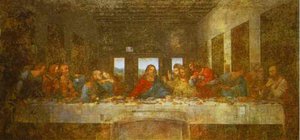
في عام 1482، انطلق ليوناردو في فصل جديد من حياته، حيث دخل خدمة لودوفيكو سفورزا، دوق ميلانو. لم يكن هذا مجرد تعيين فني؛ بل عمل كمهندس عسكري ومعماري ونحات ومصمم للمحكمة – دليل على مهاراته المتنوعة. صاغ تحصينات مبتكرة، وصمم مسارحًا متقنة، وحتى رسم خططًا لآلات خيالية. خلال هذه الفترة بالذات، بدأ العمل على إحدى روائع أعماله الخالدة: العشاء الأخير. تم تصوير اللوحة على شكل فسيفساء في قاعة الطعام التابعة لدير سانتا ماريا ديلي غراتسي، وهي تتجاوز مجرد التمثيل؛ إنها استكشاف عميق للعواطف الإنسانية والدراما النفسية، حيث تلتقط لحظة الإعلان عن الخيانة. كان التركيب المبتكر في عصره، والاستخدام البارع للمنظور، له تأثير عميق على الفن الغربي لقرون قادمة. وعلى الرغم من أن العديد من المشاريع النحتية ظلت غير مكتملة خلال فترة ميلانو، إلا أن الروح الاختراعية ليوناردو استمرت في الازدهار، مما وضع الأساس للاستكشافات العلمية المستقبلية.
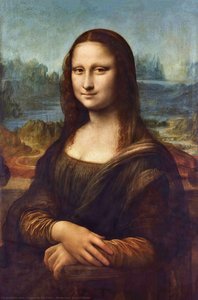
بعد الغزو الفرنسي لميلانو عام 1499، عاد ليوناردو إلى فلورنسا، وهي مدينة تشهد ذروة التطور الفني. على الرغم من أن عدد الأعمال المكتملة التي أنتجها خلال هذه الفترة كان أقل نسبيًا، إلا أن تأثيرها كان هائلاً. هنا بدأ العمل على ما أصبح يُعتبر على نطاق واسع أشهر لوحة في العالم: الموناليزا (جيوكندا). السحر الغامض للابتسامة والنظرة الآسرة للموضوع قد أسرت انتباه المشاهدين لعدة أجيال، بينما ساهم تقنية *السفوماتو* الثورية – وهو المزج الدقيق بين الضوء والظل لخلق خطوط ضبابية ومنظور جوي – بشكل كبير في الجودة الأثيرية للوحة. شهدت هذه الفترة أيضًا استمرارًا لتحسين دراساته التشريحية، مدفوعًا برغبة لا هوادة فيها في فهم الشكل البشري بدقة علمية. قام بتشريح جثث، ووثق بدقة العضلات والعظام والأعضاء في سلسلة من الرسومات التفصيلية بشكل لا يصدق والتي سبقت عصرها بقرون.
تميزت سنوات ليوناردو اللاحقة بالسفر بين فلورنسا وميلانو وروما، حيث كان مطلوبًا دائمًا لخبرته ولكنه غالبًا ما ترك المشاريع غير مكتملة – وهو انعكاس ربما لعقله المتعب ومدى اهتماماته الواسعة. في عام 1516، قبل دعوة من الملك فرانسيس الأول للعيش والعمل في قلعة دو كلوز لوكي بالقرب من أمبوايس في فرنسا، حيث قضى سنواته الأخيرة. توفي هناك عام 1519، تاركًا وراءه إرثًا واسعًا يتجاوز بكثير عالم الفن. تكشف مفكراته عن عمل رائد في علم التشريح والبصريات والهيدروليكا والجيولوجيا ورسم الخرائط – وصمم اختراعات سبقت عصرها بقرون، بما في ذلك الآلات الطائرة والخزانات وأسلحة متطورة. لا يمكن إنكار تأثير ليوناردو دا فينشي على تاريخ الفن. لقد رفع مكانة الفنانين من حرفيين ماهرين إلى شخصيات فكرية، مما أظهر أن الخلق الفني يمكن أن يتأثر بالتحقيق العلمي وفهم عميق للعالم الطبيعي. تُحتفى بلوحاته بواقعيتها وعمقها النفسي وتقنياتها المبتكرة. يظل رمزًا لفضول الإنسان وإبداعه والسعي الدؤوب للمعرفة – تجسيد حقيقي لروح عصر النهضة التي لا تزال تلهم الرهبة والإعجاب قرونًا بعد وفاته.

1452 - 1519 , إيطاليا

Commission breathtaking bespoke fantasy art with skilled oil painters. Explore techniques, artist selection & preservation tips. Invest in a unique masterpiece today!

Transform your cherished photos into timeless oil paintings with Most-Famous-Paintings's expert artists. Museum-quality reproductions & custom portraits, crafted to last a lifetime. Discover the art of personal legacy.

Explore 10 Renaissance Humanism masterpieces by Leonardo da Vinci, Michelangelo & Raphael. Discover the stories behind these iconic paintings & sculptures and bring timeless art into your home with museum-quality reproductions from Most-Famous-Paintings.com. Explore the full collection online!
اكتشف أروع 25 لوحة لرافائيل، فنان عصر النهضة العظيم. استمتع بقصص ملهمة وتقنيات فنية رائعة في عالم الفن الإيطالي الكلاسيكي. احصل على نسخ عالية الجودة من تحف رافائيل لتزيين منزلك بجمال لا يضاهى. اكتشف المجموعة الكاملة الآن على Most-Famous-Paintings.com!

Journey through art history with our Top 10 oil paintings! Explore iconic works by Van Gogh, Monet & Rembrandt. Discover timeless masterpieces and find museum-quality reproductions for your home at .


ابقَ على اطلاع بأحدث أخبار الفن، والعروض الحصرية، وأفكار الديكور.
أخبرنا عن مشروعك، وسيقدم لك خبراؤنا الفنيون 3 اقتراحات فنية مخصصة لك.
دعنا نختار لك ٣ خيارات مخصصة تماماً - مجاناً!


 مشاركة


 عرض المزيد







 خيار الزجاج متاح فقط للمقاسات التي تقل عن 110 سم