


x

احصل على صورة رقمية عالية الدقة ومعزّنة، بجودة تفوق بكثير المعاينة عبر الإنترنت.
يتم إعداد كل ملف بعناية فائقة من قبل متخصصينا الداخليين باستخدام أدوات متقدمة ولمسات يدوية خبيرة. نضمن أن تتمتع كل صورة بوضوح استثنائي، ودقة لونية متناهية، وتفاصيل دقيقة.
يتم تسليم الملف النهائي عبر البريد الإلكتروني في غضون 72 ساعة، وهو مُحسَّن للاستخدام الفوري في المجالات المهنية والتحريرية ومجالات الطباعة. هذه هي ذات الجودة التي تعتمد عليها كبرى استوديوهات التصميم ودور النشر والمعارض الفنية المرموقة.
حمّل ملفاً عالي الدقة للعرض الشخصي، والطباعة، والمشاريع الإبداعية. ( اشترِ نسخة مطبوعة اشترِ لوحة مرسومة يدويًا)
عندما تختار Most-Famous-Paintings.com، فأنت لا تحصل على مجرد صورة فحسب، بل ستحصل على عمل فني رقمي مُحسّن باحترافية، صُمم بدقة متناهية ومصحوب بضمان الرضا. إليك كل ما يتضمنه طلبك تلقائياً:

ستصلك ملفات صورك الرقمية عالية الدقة عبر البريد الإلكتروني في غضون 72 ساعة من إتمام الطلب - لتكون جاهزة للاستخدام الفوري.

يتم تحسين عملك الفني باحترافية باستخدام أدوات الذكاء الاصطناعي المتقدمة والتحرير اليدوي، لضمان أقصى درجات التفاصيل والوضوح ودقة الألوان.

هل حذفت ملفك أو فقدته عن طريق الخطأ؟ لا تقلق - سنعيد إرساله إليك في أي وقت، ومجاناً.

استمتع بأعمالك الفنية فوراً دون أي رسوم جمركية أو ضرائب أو مصاريف شحن - فالتحميلات الرقمية دائماً ما تكون معفاة من الضرائب.

نحن نضمن أن تعكس صورتك الرقمية الألوان الأصلية بأقصى قدر ممكن من الدقة، وذلك باستخدام أدوات احترافية وتقنيات إدارة الألوان.

إذا لم تكن راضياً عن صورتك الرقمية، فسنقوم بتعديلها أو استرداد 100% من قيمتها خلال 60 يوماً - دون أي أسئلة.

لم تكن راضياً؟ احصل على استرداد كامل المبلغ خلال 60 يومًا من استلام ملفك الرقمي - دون أي أسئلة.

اشتري 3 صور، ووفر 10% - اشتري 5، ووفر 15% - اشتري +10، ووفر 20%. مثالية للمشاريع الإبداعية، والمعارض، والوكالات.
The image presented here—a seemingly simple sheet of aged parchment—holds within it the tantalizing whisper of Leonardo da Vinci's boundless intellect. This “Additional Dossier,” as it’s known, from the Codex Trivulzianus, a collection of Leonardo’s personal notes and sketches, offers a rare glimpse into his working process, a moment captured outside the finished grandeur of his paintings or the meticulously documented pages of his notebooks. The paper itself speaks volumes: its yellowed hue hints at years spent tucked away, perhaps forgotten, yet retaining an undeniable aura of importance. It's not a polished treatise; rather, it’s a raw, intimate record—a testament to the ceaseless flow of ideas that defined Leonardo’s extraordinary life.
The handwriting is deliberately obscured, suggesting it may be in a language other than Italian or Latin – languages frequently employed by Leonardo for his scientific observations and anatomical studies. This deliberate ambiguity adds another layer of intrigue, prompting us to consider the nature of these notes: were they preliminary sketches for a commission, detailed observations on human anatomy, perhaps even cryptic reflections on philosophical concepts? The lack of discernible words invites speculation, reinforcing the notion that this document represents a private, internal dialogue—a crucial element in understanding Leonardo’s creative process. It's a reminder that genius rarely emerges from sterile perfection but often from the messy, iterative stages of exploration and experimentation.
The Codex Trivulzianus itself is a remarkable artifact, assembled primarily during the 16th century by Cardinal Ludovico Sforza’s librarian, Giovanni Battista Gaddi. It comprises over 200 sheets, meticulously compiled from Leonardo's personal papers, drawings, and writings accumulated throughout his career. The “Additional Dossier” we examine here is a fragment of this larger collection, offering a window into the breadth of Leonardo’s interests – a convergence of art, science, engineering, and anatomy. Leonardo wasn’t simply an artist; he was a relentless investigator, driven by a profound desire to understand the mechanics of the world around him.
The Codex served as more than just a record-keeping system. It functioned as Leonardo's personal laboratory, a space where ideas could be freely explored and developed without the constraints of patronage or expectation. It’s believed that Sforza intended for the Codex to be a legacy—a testament to Leonardo’s unparalleled genius, a collection to be studied and admired long after his death. The inclusion of this seemingly unassuming sheet underscores the multifaceted nature of Leonardo's work; it highlights the interconnectedness of his diverse pursuits.
While the content remains largely obscured, the physical characteristics of the parchment itself offer clues about its age and origin. The texture suggests a relatively coarse material, likely sourced from Italy during Leonardo’s lifetime. The faint traces of ink reveal a deliberate hand – not necessarily flamboyant or ornate, but precise and observant, mirroring the meticulous nature of Leonardo's own artistic approach. Even in this fragment, we can sense the artist’s inherent control over his materials, a hallmark of his unparalleled skill.
Considering Leonardo’s broader practice, it is likely that the notes contained within this dossier were accompanied by sketches and diagrams – visual representations of concepts he was exploring. The act of recording ideas visually, whether through writing or drawing, was integral to his creative process. The very existence of this fragment speaks to a dedication to documenting every observation, every experiment, every fleeting thought—a characteristic that fueled his extraordinary output.
This “Additional Dossier” transcends its physical form; it’s an invitation to connect with the mind of one of history's greatest geniuses. The fragility of the parchment, the obscured text, and the sense of mystery all contribute to a powerful emotional resonance. It evokes a feeling of intimacy, as if we are privy to a private moment of intellectual exploration.
Most-Famous-Paintings is proud to offer a meticulously crafted hand-painted reproduction of this extraordinary fragment. Our artists have painstakingly recreated the texture and tone of the original parchment, capturing not only its visual appearance but also the inherent sense of history and intrigue. This reproduction serves as a tangible link to Leonardo’s world—a beautiful and thought-provoking addition to any collection or interior space. It's more than just an image; it’s a portal into the mind of a true visionary, allowing you to experience the essence of Leonardo da Vinci’s genius firsthand.

في قلب عصر النهضة، بزغ نجم ليوناردو دي سير بييرو دا فينشي، المولود عام 1452 بالقرب من بلدة فينتشي التوسكانية. لم يكن مجرد فنان، بل كان تجسيدًا للعبقرية الشاملة – عالمٌ، ومهندسٌ، ومخترعٌ، ورائدُ علم التشريح، وفيلسوفٌ، ترك بصمةً لا تمحى على الفن والعلوم والهندسة. اسمُه نفسه أصبح مرادفًا للذكاء الخارق، دليلًا على اتساع مواهبه وتوقعاته الرؤيوية التي سبقت عصره بقرون. نشأته غير التقليدية، كونه ابنًا غير شرعي لموظف رسمي ومزارعة، لم تمنعه من الوصول إلى العالم العملي وتقدير الطبيعة، وهما عنصران شكلا رؤيته الفنية بعمق. تلقى تعليمًا أساسيًا في القراءة والكتابة والحساب، لكن فترة تدريبه تحت إشراف أندريا ديل فيروكيو في فلورنسا أشعلت شرارة الإبداع بداخله. لم يكن يتعلم الرسم أو النحت فحسب، بل كان ينغمس في عالم من المهارات التقنية، حيث أتقن المعادن والنجارة والرسم وتعقيدات الخلق الفني – وهو أساس بنى عليه عبقرية متعددة الأوجه.
في عام 1482، انطلق ليوناردو في فصل جديد من حياته، حيث دخل خدمة لودوفيكو سفورزا، دوق ميلانو. لم يكن هذا مجرد تعيين فني؛ بل عمل كمهندس عسكري ومعماري ونحات ومصمم للمحكمة – دليل على مهاراته المتنوعة. صاغ تحصينات مبتكرة، وصمم مسارحًا متقنة، وحتى رسم خططًا لآلات خيالية. خلال هذه الفترة بالذات، بدأ العمل على إحدى روائع أعماله الخالدة: العشاء الأخير. تم تصوير اللوحة على شكل فسيفساء في قاعة الطعام التابعة لدير سانتا ماريا ديلي غراتسي، وهي تتجاوز مجرد التمثيل؛ إنها استكشاف عميق للعواطف الإنسانية والدراما النفسية، حيث تلتقط لحظة الإعلان عن الخيانة. كان التركيب المبتكر في عصره، والاستخدام البارع للمنظور، له تأثير عميق على الفن الغربي لقرون قادمة. وعلى الرغم من أن العديد من المشاريع النحتية ظلت غير مكتملة خلال فترة ميلانو، إلا أن الروح الاختراعية ليوناردو استمرت في الازدهار، مما وضع الأساس للاستكشافات العلمية المستقبلية.
بعد الغزو الفرنسي لميلانو عام 1499، عاد ليوناردو إلى فلورنسا، وهي مدينة تشهد ذروة التطور الفني. على الرغم من أن عدد الأعمال المكتملة التي أنتجها خلال هذه الفترة كان أقل نسبيًا، إلا أن تأثيرها كان هائلاً. هنا بدأ العمل على ما أصبح يُعتبر على نطاق واسع أشهر لوحة في العالم: الموناليزا (جيوكندا). السحر الغامض للابتسامة والنظرة الآسرة للموضوع قد أسرت انتباه المشاهدين لعدة أجيال، بينما ساهم تقنية *السفوماتو* الثورية – وهو المزج الدقيق بين الضوء والظل لخلق خطوط ضبابية ومنظور جوي – بشكل كبير في الجودة الأثيرية للوحة. شهدت هذه الفترة أيضًا استمرارًا لتحسين دراساته التشريحية، مدفوعًا برغبة لا هوادة فيها في فهم الشكل البشري بدقة علمية. قام بتشريح جثث، ووثق بدقة العضلات والعظام والأعضاء في سلسلة من الرسومات التفصيلية بشكل لا يصدق والتي سبقت عصرها بقرون.
تميزت سنوات ليوناردو اللاحقة بالسفر بين فلورنسا وميلانو وروما، حيث كان مطلوبًا دائمًا لخبرته ولكنه غالبًا ما ترك المشاريع غير مكتملة – وهو انعكاس ربما لعقله المتعب ومدى اهتماماته الواسعة. في عام 1516، قبل دعوة من الملك فرانسيس الأول للعيش والعمل في قلعة دو كلوز لوكي بالقرب من أمبوايس في فرنسا، حيث قضى سنواته الأخيرة. توفي هناك عام 1519، تاركًا وراءه إرثًا واسعًا يتجاوز بكثير عالم الفن. تكشف مفكراته عن عمل رائد في علم التشريح والبصريات والهيدروليكا والجيولوجيا ورسم الخرائط – وصمم اختراعات سبقت عصرها بقرون، بما في ذلك الآلات الطائرة والخزانات وأسلحة متطورة. لا يمكن إنكار تأثير ليوناردو دا فينشي على تاريخ الفن. لقد رفع مكانة الفنانين من حرفيين ماهرين إلى شخصيات فكرية، مما أظهر أن الخلق الفني يمكن أن يتأثر بالتحقيق العلمي وفهم عميق للعالم الطبيعي. تُحتفى بلوحاته بواقعيتها وعمقها النفسي وتقنياتها المبتكرة. يظل رمزًا لفضول الإنسان وإبداعه والسعي الدؤوب للمعرفة – تجسيد حقيقي لروح عصر النهضة التي لا تزال تلهم الرهبة والإعجاب قرونًا بعد وفاته.
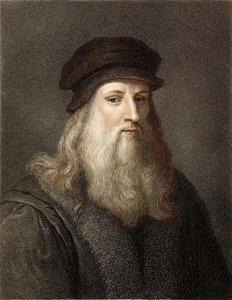
1452 - 1519 , إيطاليا


ابقَ على اطلاع بأحدث أخبار الفن، والعروض الحصرية، وأفكار الديكور.
أخبرنا عن مشروعك، وسيقدم لك خبراؤنا الفنيون 3 اقتراحات فنية مخصصة لك.
دعنا نختار لك ٣ خيارات مخصصة تماماً - مجاناً!


 معاينة الحجم الحقيقي
 مشاركة
 مشاركة
 التفاصيل

 تحميل الملف
 قطع مشابهة
 الأشعة السينية
 عرض شرائح


 عرض المزيد


