x

 Tempera On PanelLate Gothic-Early Renaissance
 1395Late Medieval
 215.0 x 163.0 cm
 Staatliche Museen
طباعة جيكلي أو كانفاس بجودة المتاحف، مع سرعة في التنفيذ وخيارات متنوعة للتشطيب. ( اشترِ لوحة مرسومة يدويًا اشترِ الصورة)
اختر من بين أحجامنا المُعدّة مسبقًا والتي تتطابق مع النسب الأصلية للعمل الفني.

يمكنك إدخال أبعادك الخاصة لتناسب إطاراً أو مساحة معينة. وإذا لم يتطابق الحجم الذي اخترته مع نسب الصورة الأصلية، فسنقوم إما بقص العمل الفني أو تمديد الصورة باستخدام حافة معكوسة أو بلون مصمت. سيتم إرسال نموذج تجريبي رقمي لاعتمادك قبل بدء الإنتاج.
يرجى ملاحظة أن المعاينة على الشاشة لا تعكس عملية القص أو التمديد الفعلية؛ حيث سيوضح النموذج التجريبي فقط التكوين النهائي بدقة.
وعلى الرغم من توفر أحجام مخصصة، إلا أننا نوصي باختيار أبعاد من القائمة المحددة مسبقاً للحفاظ على النسب الأصلية.
توصيل عالمي إلى خلال أسبوعين بدلاً من المدة القياسية البالغة 4/5 أسابيع. 17 أغسطس


Antiphonary (Cod. Cor. 8, folio 102)
مقاس النسخة المطبوعة
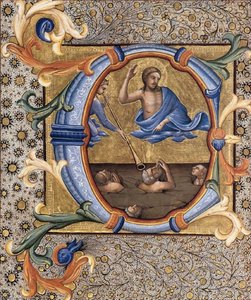
Lorenzo Monaco's "Antiphonary (Cod. Cor. 8, folio 102)," crafted in 1395, stands as a remarkable testament to the artistic and spiritual landscape of early Renaissance Italy. Housed within the esteemed Staatliche Museen zu Berlin, this tempera masterpiece offers a profound window into the devotional practices and aesthetic sensibilities of the era.
The painting centers on Jesus Christ, depicted with striking detail and imbued with an aura of serenity. He holds a book, a potent symbol representing divine knowledge and wisdom, his gaze directed downwards in contemplation of its sacred text. The figure's long hair and flowing red robe contribute to the overall sense of reverence and introspection. While other figures are present in the background, they remain secondary to Christ’s central role. The composition is elegantly framed by an ornate border, enhancing the visual appeal and emphasizing the artwork's importance.
Lorenzo Monaco (1370-1425), born Piero di Giovanni in Siena, was a pivotal figure bridging late Gothic and early Renaissance art. His style uniquely blended traditional Byzantine influences with emerging Renaissance techniques. He spent much of his career within the Camaldolese monastery of Santa Maria degli Angeli, where he produced illuminated manuscripts like this antiphonary page. This work exemplifies Monaco’s ability to create pieces that reflected both periods, showcasing a transition in artistic styles and themes.
“Antiphonary (Cod. Cor. 8, folio 102)” is executed in tempera on parchment, a common medium for illuminated manuscripts of the period. The use of vibrant pigments creates a rich color palette dominated by warm tones – reds, golds, and browns – accented with blues and greens. The application of gold leaf adds luminosity and enhances the spiritual quality of the artwork. The meticulous line work and decorative ornamentation are characteristic of Gothic manuscript illumination.
“Antiphonary (Cod. Cor. 8, folio 102)” evokes a sense of profound devotion and reverence. The artwork’s meticulous detail, vibrant colors, and symbolic imagery invite contemplation and reflection on spiritual themes. As a bridge between medieval and Renaissance art, it offers valuable insights into the evolution of artistic expression and cultural values during a transformative period in European history.


1370 - 1425 , إيطاليا
Explore the exquisite elegance of International Gothic art. Discover the mastery of illuminated manuscripts, the brilliance of gold leaf, and the legacy of the Limbourg Brothers in this expert guide to Europe's sophisticated medieval dawn.

Embark on a journey through the dramatic era of Gothic art. Discover the profound beauty of illuminated manuscripts, sacred gold leaf masterpieces, and the transition to naturalism in this expert-led exploration of medieval artistry and historical grandeur.

Explore the rich history & techniques of tempera painting! Discover Renaissance masters like Botticelli & Fra Angelico, conservation insights, and the enduring legacy of this captivating art form. Learn more now!

Step into the luminous world of egg tempera painting. Explore the sacred history, meticulous techniques, and enduring glow of this medieval masterpiece medium, from illuminated manuscripts to the timeless legacy of the Old Masters.

Embark on a journey through time with our deep dive into the exquisite beauty of illuminated manuscripts. Discover the sacred artistry, precious materials, and enduring legacy of medieval illumination in this cultural exploration for history lovers.


ابقَ على اطلاع بأحدث أخبار الفن، والعروض الحصرية، وأفكار الديكور.
أخبرنا عن مشروعك، وسيقدم لك خبراؤنا الفنيون 3 اقتراحات فنية مخصصة لك.
دعنا نختار لك ٣ خيارات مخصصة تماماً - مجاناً!


 معاينة الحجم الحقيقي
 مشاركة
 مشاركة
 التفاصيل

 تحميل الملف
 قطع مشابهة
 الأشعة السينية
 عرض شرائح
 عرض المزيد




































 خيار الزجاج متاح فقط للمقاسات التي تقل عن 110 سم