x


 اطلب نسخة مرسومة يدوياً شراء الصورة بدقة عالية
 مشاركة
 التفاصيل
 أضف إلى المفضلة
 تحميل الملف
 قطع مشابهة
 الأشعة السينية
 عرض شرائح
طباعة جيكلي أو كانفاس بجودة المتاحف، مع سرعة في التنفيذ وخيارات متنوعة للتشطيب.





























اختر من بين أحجامنا المُعدّة مسبقًا والتي تتطابق مع النسب الأصلية للعمل الفني.

يمكنك إدخال أبعادك الخاصة لتناسب إطاراً أو مساحة معينة. وإذا لم يتطابق الحجم الذي اخترته مع نسب الصورة الأصلية، فسنقوم إما بقص العمل الفني أو تمديد الصورة باستخدام حافة معكوسة أو بلون مصمت. سيتم إرسال نموذج تجريبي رقمي لاعتمادك قبل بدء الإنتاج.
يرجى ملاحظة أن المعاينة على الشاشة لا تعكس عملية القص أو التمديد الفعلية؛ حيث سيوضح النموذج التجريبي فقط التكوين النهائي بدقة.
وعلى الرغم من توفر أحجام مخصصة، إلا أننا نوصي باختيار أبعاد من القائمة المحددة مسبقاً للحفاظ على النسب الأصلية.
توصيل عالمي إلى خلال أسبوعين بدلاً من المدة القياسية البالغة 4/5 أسابيع. 23 يوليو


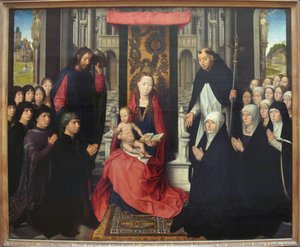
The Trinity
مقاس النسخة المطبوعة
Lucas Cranach the Elder's “The Trinity,” painted around 1515, stands as a cornerstone of Northern Renaissance art—a testament to both masterful craftsmanship and profound theological contemplation. More than just a depiction of biblical scripture, this monumental altarpiece embodies the spirit of its time, reflecting the anxieties and aspirations surrounding the burgeoning Protestant Reformation while simultaneously showcasing Cranach’s unparalleled ability to convey emotion and psychological nuance.
Created during a turbulent era marked by religious reform and political maneuvering, “The Trinity” reflects the intellectual fervor of its time. Cranach’s patronage by Frederick III underscores the importance of royal commissions in shaping artistic trends—demonstrating how art served as a vehicle for conveying ideological messages. The painting's subject matter – the Holy Trinity – resonated deeply with Protestant theologians who sought to reaffirm faith in God’s unity and transcendence amidst the challenges posed by papal authority.
"The Trinity" transcends mere visual representation; it aspires to evoke a profound emotional response in the viewer. Cranach’s masterful use of color—particularly blues and golds—creates an atmosphere of solemn grandeur, fostering contemplation and reverence. The painting's stillness contrasts sharply with the dynamism of the crucifixion scene itself, prompting reflection on themes of faith, sacrifice, and divine love. It remains a powerful reminder of humanity’s yearning for spiritual connection and understanding.


1472 - 1553 , ألمانيا

Explore the Northern Renaissance! Discover Jan van Eyck's innovations, religious shifts, & key artists of this influential period. Expert analysis and insights into Early Netherlandish painting at Most-Famous-Paintings.

Journey into the world of Early Netherlandish painting! Explore 10 masterpieces by Jan van Eyck, Rogier van der Weyden & more. Discover stunning detail, symbolism & Renaissance art for your home decor. Find museum-quality reproductions on Most-Famous-Paintings.com

Explore the rich history of oil on panel painting! Discover Renaissance techniques, support construction, & the enduring legacy of this masterful art form. Expert insights for collectors and enthusiasts.

Journey into the Early Netherlandish Renaissance! Explore 10 iconic paintings by Jan van Eyck, Rogier van der Weyden & more. Discover stunning detail, symbolism, and oil painting techniques. Find museum-quality art reproductions for your home at Most-Famous-Paintings.com.
اكتشف أروع 25 لوحة لرافائيل، فنان عصر النهضة العظيم. استمتع بقصص ملهمة وتقنيات فنية رائعة في عالم الفن الإيطالي الكلاسيكي. احصل على نسخ عالية الجودة من تحف رافائيل لتزيين منزلك بجمال لا يضاهى. اكتشف المجموعة الكاملة الآن على Most-Famous-Paintings.com!


ابقَ على اطلاع بأحدث أخبار الفن، والعروض الحصرية، وأفكار الديكور.
أخبرنا عن مشروعك، وسيقدم لك خبراؤنا الفنيون 3 اقتراحات فنية مخصصة لك.
دعنا نختار لك ٣ خيارات مخصصة تماماً - مجاناً!


 مشاركة


 عرض المزيد







 خيار الزجاج متاح فقط للمقاسات التي تقل عن 110 سم