


x

طباعة جيكلي أو كانفاس بجودة المتاحف، مع سرعة في التنفيذ وخيارات متنوعة للتشطيب. ( Switch to hand made Painting Switch to Image)





























اختر من بين أحجامنا المُعدّة مسبقًا والتي تتطابق مع النسب الأصلية للعمل الفني.

يمكنك إدخال أبعادك الخاصة لتناسب إطاراً أو مساحة معينة. وإذا لم يتطابق الحجم الذي اخترته مع نسب الصورة الأصلية، فسنقوم إما بقص العمل الفني أو تمديد الصورة باستخدام حافة معكوسة أو بلون مصمت. سيتم إرسال نموذج تجريبي رقمي لاعتمادك قبل بدء الإنتاج.
يرجى ملاحظة أن المعاينة على الشاشة لا تعكس عملية القص أو التمديد الفعلية؛ حيث سيوضح النموذج التجريبي فقط التكوين النهائي بدقة.
وعلى الرغم من توفر أحجام مخصصة، إلا أننا نوصي باختيار أبعاد من القائمة المحددة مسبقاً للحفاظ على النسب الأصلية.
توصيل عالمي إلى خلال أسبوعين بدلاً من المدة القياسية البالغة 4/5 أسابيع. 29 يوليو


Sphere
مقاس النسخة المطبوعة
Lucio Fontana's 1957 work, simply titled 'Sphere,' is not merely a depiction of two balls; it’s an intensely felt exploration of space, materiality, and the very act of artistic creation. This seemingly simple composition, executed in black and yellow against a stark white backdrop, embodies the core tenets of Fontana's Spatialism – a movement he pioneered that sought to liberate art from traditional representational constraints by engaging directly with the fourth dimension: space itself. The photograph captures two spheres, one textured and dark, the other smooth and luminous, resting on a plane that feels both solid and infinitely receding. Scattered around them are smaller circles, echoing and amplifying the central theme of expansion and fragmentation.
Born in Rosario, Argentina, in 1899, Lucio Fontana’s artistic trajectory was shaped by a unique duality – his Argentinian heritage and his immersion in European avant-garde movements. Initially trained as a sculptor, influenced by his father's work, Fontana’s early explorations were rooted in traditional form. However, the post-war period witnessed a profound shift in artistic thinking, fueled by developments in physics (Einstein’s theory of relativity) and a growing fascination with the subconscious. This context directly informed Spatialism, which sought to visualize the idea that artists could cut into, puncture, or otherwise transform painted surfaces to reveal the underlying space behind them – a concept profoundly influenced by the notion of infinite space.
Fontana’s technique in ‘Sphere’ is deceptively straightforward. The bold use of contrasting colors—the deep black and vibrant yellow—immediately draws the eye, yet it's the subtle variations in texture that truly elevate the work. The rougher surface of the black sphere suggests a physicality, an engagement with the material itself, while the smoother yellow sphere evokes a sense of luminosity and ethereal quality. This deliberate juxtaposition highlights Fontana’s interest in exploring the relationship between tactile experience and visual perception. The inclusion of smaller circles isn't merely decorative; they function as echoes, reinforcing the idea of expanding space and disrupting any sense of static representation.
'Sphere' resonates with a profound sense of mystery and possibility. It’s a work that invites contemplation about the nature of reality, the limits of perception, and the potential for artistic transformation. The act of presenting these spheres – seemingly simple objects – within this context elevates them to symbols of boundless space and infinite potential. Fontana wasn’t simply painting; he was creating a visual metaphor for a radical shift in how we understand our relationship with the world around us. This piece speaks to a desire for liberation, a yearning to break free from conventional boundaries, and an embrace of the unknown – emotions that continue to resonate powerfully with viewers today.

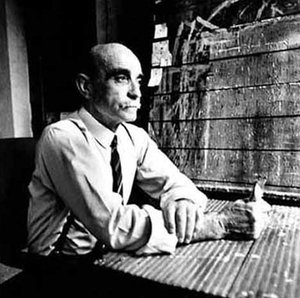
1899 - 1968 , الأرجنتين

اكتشف أروع 25 تحفة فنية في متحف المتروبوليتان، نيويورك! قصص ليوناردو دا فينشي وفان جوخ وبيكاسو وأكثر. لوحات كلاسيكية ومعاصرة لإلهام ديكور منزلك. تسوق إعادة إنتاج اللوحات عالية الجودة على Most-Famous-Paintings.com.
اكتشف 25 تحفة فنية لجيمس أبتون ماكنيل ويستلر، رائد حركة التجميل. نوكتورن، بورتريهات أيقونية وأكثر! قصص ملهمة وتقنيات فنية رائعة لتزيين منزلك بأناقة. استكشف المجموعة الكاملة على Most-Famous-Paintings.com
اكتشف 25 تحفة فنية لهنري ماتيس، رائد التعبيرية وFauvism. استكشف قصص لوحاته المذهلة وألوانه الجريئة. احصل على مطبوعات عالية الجودة لديكور منزلي فاخر. اكتشف جميع الروائع على Most-Famous-Paintings.com
اكتشف عالم آندي وارهول الساحر مع أفضل 25 لوحة فنية. استكشف فن البوب، تقنيات الطباعة الحريرية، وأيقونات مثل ماري لين مونرو وكامبل سوبر كان. أضف لمسة فنية عصرية لمنزلك مع Most-Famous-Paintings.com.

اكتشف أروع 25 تحفة فنية في متحف ديترويت للفنون! لوحات فان جوخ، مونيه، وأكثر. قصص الفنانين وتقنياتهم الخالدة. إلهام لديكور منزلك مع Most-Famous-Paintings.com.


ابقَ على اطلاع بأحدث أخبار الفن، والعروض الحصرية، وأفكار الديكور.
أخبرنا عن مشروعك، وسيقدم لك خبراؤنا الفنيون 3 اقتراحات فنية مخصصة لك.
دعنا نختار لك ٣ خيارات مخصصة تماماً - مجاناً!


 Preview
 مشاركة
 مشاركة
 التفاصيل

 تحميل الملف
 قطع مشابهة
 الأشعة السينية
 عرض شرائح

 عرض المزيد







 خيار الزجاج متاح فقط للمقاسات التي تقل عن 110 سم


