x

 AcrylicWallArtNaïve Art (Primitivism)
 1960
1960 47.0 x 32.0 cm
لوحة زيتية مرسومة يدوياً على الكانفاس بالمقاس والإطار الذي تفضله، تُنفذ حسب الطلب على أيدي فنانينا. ( اشترِ نسخة مطبوعة اشترِ الصورة)
اختر من بين أحجامنا المُعدّة مسبقًا والتي تتطابق مع النسب الأصلية للعمل الفني.

يمكنك إدخال أبعادك الخاصة لتناسب إطارًا معينًا أو مساحة محددة. وإذا لم يتطابق الحجم الذي اخترته مع نسب الصورة الأصلية، فسنقوم إما بقص العمل الفني أو توسيع اللوحة بإضافة عناصر مرسومة يدويًا. سيتم إرسال نموذج رقمي إليك للموافقة عليه قبل بدء الإنتاج.
يرجى ملاحظة أن المعاينة على الشاشة لا تعكس عملية القص أو التوسيع الفعلية؛ حيث إن النموذج الرقمي وحده هو الذي سيوضح التكوين النهائي بدقة.
وعلى الرغم من توفر أحجام مخصصة، إلا أننا نوصي باختيار أبعاد من القائمة المحددة مسبقًا للحفاظ على النسب الأصلية للعمل الفني.
توصيل عالمي إلى خلال 3 إلى 4 أسابيع بدلاً من المدة المعتادة البالغة 5 أسابيع. (15 أغسطس). جودة لا تهاون فيها.


An angel
مقاس النسخة المطبوعة
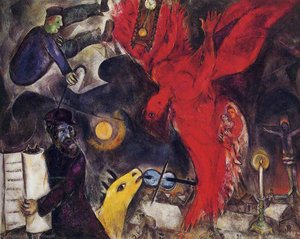
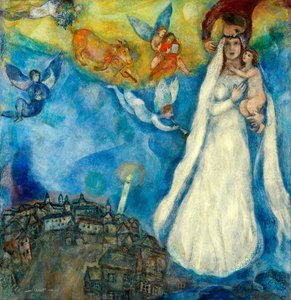
Marc Chagall’s “The Angel,” created in 1960, stands as a quintessential example of Naïve Art (Primitivism), encapsulating the artist's lifelong fascination with folklore, biblical narratives, and the dreamlike landscapes of his childhood in Vitebsk. Printed as part of Fernand Mourlot’s seminal lithograph catalogue raisonné – Volume I – this artwork transcends mere visual representation; it embodies Chagall’s profound engagement with universal themes of spirituality, hope, and transcendence.
The composition itself is strikingly simple yet powerfully evocative. Dominating the canvas is a bird—a recurring motif throughout Chagall's oeuvre—wings outstretched in an upward trajectory against a backdrop of luminous moonlight. Beneath this celestial figure hover two horses, their forms rendered with characteristic fluidity and expressive distortion – mirroring the turbulent emotions inherent in Chagall’s artistic vision.
A solitary human form occupies the lower left corner, seemingly grounded amidst the soaring imagery above. This figure is positioned deliberately to create a visual dialogue between earthly existence and divine aspiration—a central preoccupation of Chagall's artistic explorations. The artist skillfully employs hatching and cross-hatching techniques to build up tonal values, capturing the ethereal quality of moonlight and conveying a palpable sense of movement.
“The Angel” is deeply embedded within Vitebsk’s cultural heritage. The bird symbolizes freedom and aspiration—a characteristic emblem of Hasidic Jewish tradition—while the horses represent strength, resilience, and the cyclical nature of life. Chagall frequently incorporated elements from Belarusian folklore into his paintings, drawing inspiration from myths and legends that resonate with primal emotions.
The moon serves as a beacon of illumination, guiding the viewer’s gaze upwards toward the heavens—a deliberate reference to biblical imagery and symbolizing divine grace. The horse on the right side is particularly notable for its expressive gesture, conveying both vulnerability and determination – mirroring Chagall's own artistic journey.
Chagall’s stylistic approach defies categorization, blending influences from Cubism, Fauvism, and Symbolism into a uniquely personal idiom. However, at its core lies an unwavering commitment to representation—albeit imbued with dreamlike color palettes and fantastical imagery. As he himself stated, “I wish my mythological floating figures and symbolism to be interpreted freely.”
"The Angel" exemplifies Chagall’s ability to transform observation into profound artistic expression – capturing not just what is seen but also what is felt—a testament to his enduring legacy as one of the most influential artists of the 20th century.

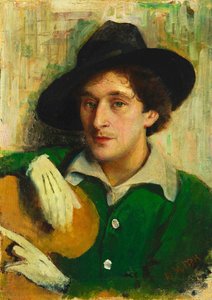
1887 - 1985 , بيلاروسيا

Explore the profound history and technical mastery of woodcut relief printing. From ancient origins to German Expressionism, discover how artists use the subtractive process to create iconic works. A definitive guide for art students, collectors, and historians.

Discover the technical mastery behind Most-Famous-Paintings.com's premium Giclée canvas prints. Our guide for elite collectors explores archival pigment inks, museum-grade substrates, and the science of high-fidelity reproduction to ensure lasting beauty and historical accuracy.


ابقَ على اطلاع بأحدث أخبار الفن، والعروض الحصرية، وأفكار الديكور.
أخبرنا عن مشروعك، وسيقدم لك خبراؤنا الفنيون 3 اقتراحات فنية مخصصة لك.
دعنا نختار لك ٣ خيارات مخصصة تماماً - مجاناً!


 معاينة الحجم الحقيقي
 مشاركة
 مشاركة
 التفاصيل

 تحميل الملف
 قطع مشابهة
 الأشعة السينية
 عرض شرائح
 عرض المزيد




































 خيار الزجاج متاح فقط للمقاسات التي تقل عن 110 سم