x


 Preview
 شراء نسخة مطبوعة شراء الصورة بدقة عالية
 مشاركة
 التفاصيل
 أضف إلى المفضلة
 تحميل الملف
 قطع مشابهة
 الأشعة السينية
 عرض شرائح
 LithographOtherExpressionist Surrealism
 1956Modern
 51.0 x 33.0 cm
لوحة زيتية مرسومة يدوياً على الكانفاس بالمقاس والإطار الذي تفضله، تُنفذ حسب الطلب على أيدي فنانينا.
اختر من بين أحجامنا المُعدّة مسبقًا والتي تتطابق مع النسب الأصلية للعمل الفني.

يمكنك إدخال أبعادك الخاصة لتناسب إطارًا معينًا أو مساحة محددة. وإذا لم يتطابق الحجم الذي اخترته مع نسب الصورة الأصلية، فسنقوم إما بقص العمل الفني أو توسيع اللوحة بإضافة عناصر مرسومة يدويًا. سيتم إرسال نموذج رقمي إليك للموافقة عليه قبل بدء الإنتاج.
يرجى ملاحظة أن المعاينة على الشاشة لا تعكس عملية القص أو التوسيع الفعلية؛ حيث إن النموذج الرقمي وحده هو الذي سيوضح التكوين النهائي بدقة.
وعلى الرغم من توفر أحجام مخصصة، إلا أننا نوصي باختيار أبعاد من القائمة المحددة مسبقًا للحفاظ على النسب الأصلية للعمل الفني.
توصيل عالمي إلى خلال 3 إلى 4 أسابيع بدلاً من المدة المعتادة البالغة 5 أسابيع. (26 يوليو). جودة لا تهاون فيها.


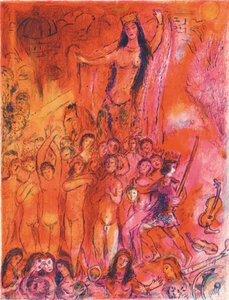
David and Bathsheba
مقاس النسخة المطبوعة
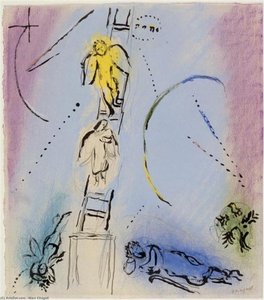
Marc Chagall’s “David and Bathsheba” (1956) isn't merely a depiction of a biblical narrative; it’s an immersion into the artist’s intensely personal, almost hallucinatory world. Created during a period of profound reflection for Chagall, this lithograph transcends simple storytelling, becoming a poignant exploration of desire, betrayal, and the weighty consequences of human action. The work immediately captivates with its stark monochrome palette – black ink against pristine white paper – lending it an immediate sense of timelessness and gravitas. It’s a visual poem rendered in charcoal-like lines, echoing the raw emotion at its core.
The composition itself is deliberately unsettling. Bathsheba, positioned slightly off-center yet dominating the vertical space, isn't presented with idealized beauty; instead, she appears vulnerable and contemplative, her form subtly distorted – a hallmark of Chagall’s style. The architectural element behind her, fragmented and almost dissolving into abstraction, creates an atmosphere of instability and suggests the crumbling foundations of David’s moral compass. Above all, the bird—a recurring motif in Chagall's work—looms large, its presence ambiguous; is it a symbol of divine observation, a harbinger of impending doom, or perhaps simply a reflection of the artist’s own restless imagination? The palm tree, a potent emblem of hope and resilience, offers a fragile counterpoint to the prevailing sense of melancholy.
Chagall's masterful use of line is central to the artwork’s power. He abandons realistic representation in favor of expressive gestures – loose, swirling lines that convey movement, emotion, and a profound sense of spontaneity. Hatching and cross-hatching are employed not just for tonal variation but also to build texture, suggesting the roughness of skin, the solidity of stone, and the ethereal quality of the dreamscape. The lines themselves seem to vibrate with an inner energy, mirroring the turmoil within the scene. The simplification of shapes – figures reduced to symbolic forms rather than anatomical accuracy – further emphasizes this emotional intent.
Lithography, Chagall’s chosen medium, perfectly suited his vision. This printmaking technique allows for incredible detail and a remarkable range of tonal values achieved through subtle variations in ink pressure. The resulting image possesses a captivating depth and luminosity, despite its monochromatic palette. The absence of a defined light source adds to the work's enigmatic quality; instead, Chagall relies on contrasts between light and shadow to sculpt form and create a sense of dramatic tension.
“David and Bathsheba” is deeply rooted in Chagall’s personal mythology. The biblical story itself—a tale of lust, betrayal, and divine retribution—resonates with themes prevalent in Jewish folklore concerning the dangers of unchecked desire and the consequences of transgression. The bird, frequently interpreted as a symbol of the soul or divine presence, reinforces this spiritual dimension. Furthermore, the artwork can be viewed as an exploration of Chagall’s own internal struggles – his grappling with faith, memory, and the complexities of human relationships. The melancholic mood is palpable, suggesting a profound sense of regret and the enduring weight of past actions.
This lithograph offers more than just a visual representation of a biblical scene; it's an invitation to contemplate the timeless themes of desire, morality, and the search for redemption. A reproduction captures this evocative power, allowing viewers to immerse themselves in Chagall’s dreamlike world and experience the emotional depth of his masterpiece.
1887 - 1985 , بيلاروسيا

Explore the captivating interplay of Surrealism & Expressionism in 20th-century art. Discover key artists like Masson and Pollock, automatism techniques, and their lasting influence. Expert insights for art enthusiasts.

Explore 10 legendary lithographs by Toulouse-Lautrec, Munch & Picasso that redefined art! Discover the stories behind these iconic prints and find museum-quality reproductions for your home decor at Most-Famous-Paintings.com. Explore the full collection online.

Explore the rich history of biblical art from Giotto to the Renaissance masters. Discover symbolism, techniques & enduring legacies with Most-Famous-Paintings – your source for museum-quality reproductions and expert art insights.

Explore the profound history of biblical art! Discover Renaissance masterpieces by Giotto & more. Uncover symbolism, artistic techniques, and lasting influence. Expert insights at Most-Famous-Paintings.

Explore the captivating world of Pop Surrealism with Most-Famous-Paintings. Discover key artists like George Condo & Robert Williams, investment potential, and the movement's cultural impact. Expert insights for collectors.


ابقَ على اطلاع بأحدث أخبار الفن، والعروض الحصرية، وأفكار الديكور.
أخبرنا عن مشروعك، وسيقدم لك خبراؤنا الفنيون 3 اقتراحات فنية مخصصة لك.
دعنا نختار لك ٣ خيارات مخصصة تماماً - مجاناً!


 مشاركة

 عرض المزيد




































 خيار الزجاج متاح فقط للمقاسات التي تقل عن 110 سم