x

 Acrylic On CanvasWallArtSurrealist Dreamscape
Surrealism
Acrylic On CanvasWallArtSurrealist Dreamscape
Surrealism 1930
1930 65.0 x 32.0 cm
طباعة جيكلي أو كانفاس بجودة المتاحف، مع سرعة في التنفيذ وخيارات متنوعة للتشطيب. ( اشترِ لوحة مرسومة يدويًا اشترِ الصورة)





























اختر من بين أحجامنا المُعدّة مسبقًا والتي تتطابق مع النسب الأصلية للعمل الفني.

يمكنك إدخال أبعادك الخاصة لتناسب إطاراً أو مساحة معينة. وإذا لم يتطابق الحجم الذي اخترته مع نسب الصورة الأصلية، فسنقوم إما بقص العمل الفني أو تمديد الصورة باستخدام حافة معكوسة أو بلون مصمت. سيتم إرسال نموذج تجريبي رقمي لاعتمادك قبل بدء الإنتاج.
يرجى ملاحظة أن المعاينة على الشاشة لا تعكس عملية القص أو التمديد الفعلية؛ حيث سيوضح النموذج التجريبي فقط التكوين النهائي بدقة.
وعلى الرغم من توفر أحجام مخصصة، إلا أننا نوصي باختيار أبعاد من القائمة المحددة مسبقاً للحفاظ على النسب الأصلية.
توصيل عالمي إلى خلال أسبوعين بدلاً من المدة القياسية البالغة 4/5 أسابيع. 12 أغسطس


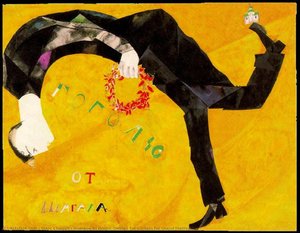
The Acrobat
مقاس النسخة المطبوعة
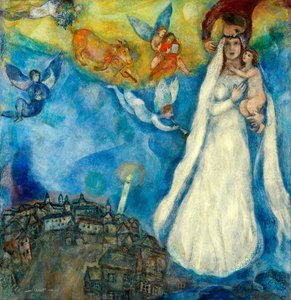
Marc Chagall’s “The Acrobat,” painted in 1930 during the height of his Surrealist experimentation, isn't merely a depiction of an acrobatic performance; it’s a profound meditation on flight, vulnerability, and the elusive nature of recollection. Created in Vitebsk, Belarus—a town deeply ingrained in Chagall’s artistic consciousness—the painting embodies the artist’s signature blend of Jewish folklore and dreamlike imagery.
Historical Context: Chagall’s artistic output coincided with the burgeoning Surrealist movement spearheaded by André Breton, reacting against rationalism and embracing the subconscious mind. Vitebsk experienced significant upheaval during this period due to pogroms (violent anti-Jewish riots), adding a layer of emotional resonance to Chagall's creative process.
Emotional Impact: “The Acrobat” evokes a sense of wonder and melancholy simultaneously. Its dreamlike atmosphere compels viewers to confront questions about identity, loss, and the transformative power of imagination. The painting's luminous colors and dynamic composition convey an urgent desire for movement—a yearning to escape limitations and embrace the boundless possibilities inherent in the human spirit.
Ultimately, Chagall’s “The Acrobat” transcends its formal elements—tempera paint, flattened perspective—to deliver an enduring message about the human condition: that even amidst darkness and uncertainty, beauty persists, fueled by the unwavering belief in dreams and the courage to embrace the unpredictable dance of life.

1887 - 1985 , بيلاروسيا


ابقَ على اطلاع بأحدث أخبار الفن، والعروض الحصرية، وأفكار الديكور.
أخبرنا عن مشروعك، وسيقدم لك خبراؤنا الفنيون 3 اقتراحات فنية مخصصة لك.
دعنا نختار لك ٣ خيارات مخصصة تماماً - مجاناً!


 معاينة الحجم الحقيقي
 مشاركة
 مشاركة
 التفاصيل

 تحميل الملف
 قطع مشابهة
 الأشعة السينية
 عرض شرائح
 عرض المزيد







 خيار الزجاج متاح فقط للمقاسات التي تقل عن 110 سم