x

طباعة جيكلي أو كانفاس بجودة المتاحف، مع سرعة في التنفيذ وخيارات متنوعة للتشطيب. ( اشترِ لوحة مرسومة يدويًا اشترِ الصورة)





























اختر من بين أحجامنا المُعدّة مسبقًا والتي تتطابق مع النسب الأصلية للعمل الفني.

يمكنك إدخال أبعادك الخاصة لتناسب إطاراً أو مساحة معينة. وإذا لم يتطابق الحجم الذي اخترته مع نسب الصورة الأصلية، فسنقوم إما بقص العمل الفني أو تمديد الصورة باستخدام حافة معكوسة أو بلون مصمت. سيتم إرسال نموذج تجريبي رقمي لاعتمادك قبل بدء الإنتاج.
يرجى ملاحظة أن المعاينة على الشاشة لا تعكس عملية القص أو التمديد الفعلية؛ حيث سيوضح النموذج التجريبي فقط التكوين النهائي بدقة.
وعلى الرغم من توفر أحجام مخصصة، إلا أننا نوصي باختيار أبعاد من القائمة المحددة مسبقاً للحفاظ على النسب الأصلية.
توصيل عالمي إلى خلال أسبوعين بدلاً من المدة القياسية البالغة 4/5 أسابيع. 18 أغسطس


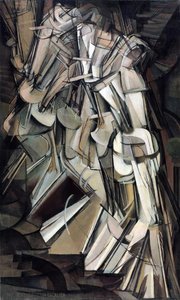
Coffee mill
مقاس النسخة المطبوعة
In the early twentieth century, the art world was a landscape of established rules and predictable beauty, but Marcel Duchamp arrived like a sudden, sharp crack in a porcelain cup. His 1911 masterpiece, Coffee Mill, serves as a profound disruption of artistic conventions, standing as a cornerstone of the Dadaist movement. This is not merely a painting of a mundane object; it is a deliberate provocation. At first glance, one sees the familiar silhouette of a coffee grinder, yet it is inextricably bound to a large, dominating clock face that commands the left side of the canvas. Through this unexpected pairing, Duchamp invites us into a world where the mechanical and the temporal collide, forcing the viewer to question the very boundaries between everyday utility and high art.
The technical execution of Coffee Mill reveals a masterful command over the subtle nuances of graphite on board. Eschewing the vibrant palettes of his contemporaries, Duchamp utilized meticulous layering and tonal gradation to create a surface that feels both velvety and stark. The interplay between the deep, soft shadows of the graphite strokes and the pristine white of the board emphasizes the object’s materiality without relying on traditional illusionism. This understated approach is deeply intentional; by rejecting decorative embellishment, Duchamp directs our attention away from sensory pleasure and toward a more rigorous intellectual engagement. For the collector or designer, this piece offers a sophisticated, monochromatic elegance that commands attention through its structural clarity and quiet intensity.
To understand Coffee Mill is to understand the heart of Dadaism—a movement born from a desire to dismantle hierarchies and challenge the notion of artistic originality. Duchamp’s fascination with "readymades" and the mechanization of daily life finds its pulse here. The clock, with its secondary smaller faces scattered across the composition, acts as a symbol of repetition, rhythm, and the relentless march of time. By juxtaposing the grinding mechanism of the coffee mill with the ticking face of the clock, Duchamp suggests a parallel between the mechanical processing of beans and the automated nature of modern existence. It is a critique of a world becoming increasingly synchronized by machines.
For those seeking to infuse a contemporary space with historical depth, this artwork provides an unparalleled intellectual anchor. It does not merely decorate a wall; it starts a conversation. The piece resonates with the spirit of innovation and the courage to find beauty in the unconventional. Whether placed in a minimalist gallery setting or as a focal point in a curated study, Coffee Mill brings with it the revolutionary energy of a moment when art decided to stop being a window into another world and instead became a mirror held up to our own mechanical reality.


1887 - 1968 , فرنسا

Explore the profound history and technical mastery of woodcut relief printing. From ancient origins to German Expressionism, discover how artists use the subtractive process to create iconic works. A definitive guide for art students, collectors, and historians.

Discover the technical mastery behind Most-Famous-Paintings.com's premium Giclée canvas prints. Our guide for elite collectors explores archival pigment inks, museum-grade substrates, and the science of high-fidelity reproduction to ensure lasting beauty and historical accuracy.

Discover the science behind museum-quality Giclée prints. Learn how archival pigment inks, 12-color precision, and museum-grade substrates create high-fidelity art reproductions designed to preserve the soul of historical masterpieces for generations.

Explore the radical origins of Dadaism. From the chaos of WWI to Marcel Duchamp's revolutionary readymades, discover how this anti-art movement dismantled tradition and birthed modern conceptual art. An essential guide for students and collectors of fine art history.


ابقَ على اطلاع بأحدث أخبار الفن، والعروض الحصرية، وأفكار الديكور.
أخبرنا عن مشروعك، وسيقدم لك خبراؤنا الفنيون 3 اقتراحات فنية مخصصة لك.
دعنا نختار لك ٣ خيارات مخصصة تماماً - مجاناً!


 معاينة الحجم الحقيقي
 مشاركة
 مشاركة
 التفاصيل

 تحميل الملف
 قطع مشابهة
 الأشعة السينية
 عرض شرائح

 عرض المزيد







 خيار الزجاج متاح فقط للمقاسات التي تقل عن 110 سم