


x

احصل على صورة رقمية عالية الدقة ومعزّنة، بجودة تفوق بكثير المعاينة عبر الإنترنت.
يتم إعداد كل ملف بعناية فائقة من قبل متخصصينا الداخليين باستخدام أدوات متقدمة ولمسات يدوية خبيرة. نضمن أن تتمتع كل صورة بوضوح استثنائي، ودقة لونية متناهية، وتفاصيل دقيقة.
يتم تسليم الملف النهائي عبر البريد الإلكتروني في غضون 72 ساعة، وهو مُحسَّن للاستخدام الفوري في المجالات المهنية والتحريرية ومجالات الطباعة. هذه هي ذات الجودة التي تعتمد عليها كبرى استوديوهات التصميم ودور النشر والمعارض الفنية المرموقة.
حمّل ملفاً عالي الدقة للعرض الشخصي، والطباعة، والمشاريع الإبداعية. ( اشترِ نسخة مطبوعة اشترِ لوحة مرسومة يدويًا)
عندما تختار Most-Famous-Paintings.com، فأنت لا تحصل على مجرد صورة فحسب، بل ستحصل على عمل فني رقمي مُحسّن باحترافية، صُمم بدقة متناهية ومصحوب بضمان الرضا. إليك كل ما يتضمنه طلبك تلقائياً:

ستصلك ملفات صورك الرقمية عالية الدقة عبر البريد الإلكتروني في غضون 72 ساعة من إتمام الطلب - لتكون جاهزة للاستخدام الفوري.

يتم تحسين عملك الفني باحترافية باستخدام أدوات الذكاء الاصطناعي المتقدمة والتحرير اليدوي، لضمان أقصى درجات التفاصيل والوضوح ودقة الألوان.

هل حذفت ملفك أو فقدته عن طريق الخطأ؟ لا تقلق - سنعيد إرساله إليك في أي وقت، ومجاناً.

استمتع بأعمالك الفنية فوراً دون أي رسوم جمركية أو ضرائب أو مصاريف شحن - فالتحميلات الرقمية دائماً ما تكون معفاة من الضرائب.

نحن نضمن أن تعكس صورتك الرقمية الألوان الأصلية بأقصى قدر ممكن من الدقة، وذلك باستخدام أدوات احترافية وتقنيات إدارة الألوان.

إذا لم تكن راضياً عن صورتك الرقمية، فسنقوم بتعديلها أو استرداد 100% من قيمتها خلال 60 يوماً - دون أي أسئلة.

لم تكن راضياً؟ احصل على استرداد كامل المبلغ خلال 60 يومًا من استلام ملفك الرقمي - دون أي أسئلة.

اشتري 3 صور، ووفر 10% - اشتري 5، ووفر 15% - اشتري +10، ووفر 20%. مثالية للمشاريع الإبداعية، والمعارض، والوكالات.
Mark Rothko (1903 – 1970), born Markus Yakovlevich Rothkowitz in Dvinsk, Latvia, embodies the profound anxieties of a Jewish family grappling with displacement. His formative years were steeped in the uncertainties surrounding pogroms and political instability within the Pale of Settlement, fostering an acute awareness of human suffering—a preoccupation that would permeate his artistic output.
The 1913 emigration to Portland, Oregon, marked not merely a geographical relocation but a significant cultural transformation for Rothko. Amidst his father’s intellectual home brimming with spirited discussions and scholarly pursuits, the untimely death of Jacob Rothkowitz introduced an inescapable element of grief into young Markus's life—a formative experience that instilled a lifelong fascination with themes of loss and trauma.
Rothko’s artistic breakthrough arrived in New York City during the mid-1930s, where he embraced Color Field painting – a revolutionary approach championed by artists like Barnett Newman and Helen Frankenthaler. Unlike traditional representational art that meticulously depicts objects or figures, Color Field painting prioritizes expansive blocks of color as its primary expressive element.
Rothko’s canvases eschew detailed imagery altogether, opting instead for layered rectangles of pigment—typically shades of red, orange, yellow, and blue—that bleed into one another. This technique deliberately obscures boundaries between hues, creating an immersive experience for the viewer that transcends visual perception.
The creation of Rothko’s monumental paintings involved a painstaking process of layering thin sheets of canvas with diluted pigment—often applied by hand using brushes or rollers. This meticulous application resulted in subtle textural variations within each rectangle, adding depth and complexity to the overall composition.
Rothko meticulously controlled every aspect of his technique, striving for an almost meditative state as he worked. He believed that color itself possessed inherent emotional power—that it could communicate feelings directly without resorting to explicit symbolism or narrative.
Rothko’s work emerged during the postwar period, coinciding with a surge of existentialist thought – championed by philosophers like Jean-Paul Sartre and Albert Camus. These thinkers questioned traditional notions of morality and purpose, emphasizing individual responsibility and confronting the inevitability of death.
Rothko responded to these intellectual currents by exploring themes of spirituality and transcendence—attempting to capture the elusive essence of human experience beyond rational comprehension. His paintings evoke a sense of profound melancholy yet simultaneously convey an aspiration for beauty and illumination – mirroring the anxieties and hopes of a generation grappling with the aftermath of global conflict.
While Rothko deliberately avoided overt symbolism, his canvases nevertheless communicate powerful ideas about darkness and light. The dark rectangles represent not merely physical absence but also psychological emptiness—a confrontation with mortality and the unknown.
Conversely, the luminous rectangles embody spiritual presence – offering a glimpse of transcendence and hinting at the possibility of encountering something beyond oneself. Rothko’s masterful manipulation of color achieves this effect by creating an atmosphere of contemplative stillness that invites viewers to contemplate their own inner lives.
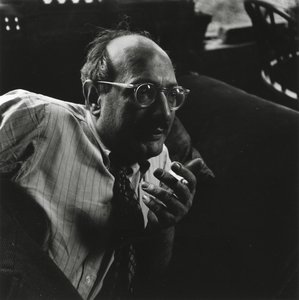
1903 - 1970 , لاتفيا


ابقَ على اطلاع بأحدث أخبار الفن، والعروض الحصرية، وأفكار الديكور.
أخبرنا عن مشروعك، وسيقدم لك خبراؤنا الفنيون 3 اقتراحات فنية مخصصة لك.
دعنا نختار لك ٣ خيارات مخصصة تماماً - مجاناً!


 معاينة الحجم الحقيقي
 مشاركة
 مشاركة
 التفاصيل

 تحميل الملف
 قطع مشابهة
 الأشعة السينية
 عرض شرائح
 عرض المزيد


