


x

طباعة جيكلي أو كانفاس بجودة المتاحف، مع سرعة في التنفيذ وخيارات متنوعة للتشطيب. ( اشترِ لوحة مرسومة يدويًا اشترِ الصورة)





























اختر من بين أحجامنا المُعدّة مسبقًا والتي تتطابق مع النسب الأصلية للعمل الفني.

يمكنك إدخال أبعادك الخاصة لتناسب إطاراً أو مساحة معينة. وإذا لم يتطابق الحجم الذي اخترته مع نسب الصورة الأصلية، فسنقوم إما بقص العمل الفني أو تمديد الصورة باستخدام حافة معكوسة أو بلون مصمت. سيتم إرسال نموذج تجريبي رقمي لاعتمادك قبل بدء الإنتاج.
يرجى ملاحظة أن المعاينة على الشاشة لا تعكس عملية القص أو التمديد الفعلية؛ حيث سيوضح النموذج التجريبي فقط التكوين النهائي بدقة.
وعلى الرغم من توفر أحجام مخصصة، إلا أننا نوصي باختيار أبعاد من القائمة المحددة مسبقاً للحفاظ على النسب الأصلية.
توصيل عالمي إلى خلال أسبوعين بدلاً من المدة القياسية البالغة 4/5 أسابيع. 21 أغسطس


Trinity (detail)
مقاس النسخة المطبوعة
Masaccio’s “Trinity (detail),” housed within the magnificent Santa Maria Novella in Florence, isn't merely a fresco; it’s a pivotal moment in art history – a visual manifesto declaring the arrival of the High Renaissance. Painted between 1425 and 1427, this intimate section captures the essence of Masaccio’s revolutionary approach to depicting reality, a departure from the stylized elegance of the preceding Gothic era and a profound influence on generations of artists to come. The scene, centered around an elder figure representing God the Father, is imbued with a startling sense of depth, volume, and emotional resonance that was unprecedented for its time.
The fresco’s immediate impact lies in its masterful use of linear perspective. Masaccio didn't simply depict space; he created it – a meticulously constructed illusion of three-dimensionality that draws the viewer directly into the scene. The architecture, modeled after Roman precedents and likely informed by Filippo Brunelleschi’s groundbreaking experiments with perspective, recedes realistically towards a vanishing point, anchoring the figures within a believable environment. This isn't a flat surface; it’s a stage where forms exist in relation to each other, creating an astonishingly convincing sense of space.
Masaccio’s palette is restrained yet remarkably effective. Earth tones – ochres, siennas, and umbers – dominate the composition, lending it a dignified solemnity. However, within this muted range, he skillfully employs chiaroscuro—the dramatic interplay of light and shadow—to sculpt the figures and define their forms. The light source, emanating from an unseen point above and to the right, casts deep shadows that accentuate the musculature of the Father’s body, imbuing him with a palpable sense of weight and presence. This subtle manipulation of light isn't merely decorative; it’s integral to Masaccio’s goal of creating realistic figures that appear to exist within a tangible world.
The figure of the Father is particularly striking. His face, rendered with astonishing detail – the furrowed brow, the thoughtful gaze—conveys an intense contemplation. He isn't depicted as a distant deity but as a human being grappling with profound questions. The folds of his garment are meticulously modeled, demonstrating Masaccio’s mastery of drapery and his commitment to accurately representing the texture and weight of fabric.
Beyond its technical brilliance, “Trinity (detail)” is rich in symbolic meaning. The central figure represents God the Father, while the dove hovering above symbolizes the Holy Spirit. The presence of Mary and Saint John—both deeply revered figures within Christian iconography—adds layers of spiritual significance to the scene. The inclusion of a *memento mori* – a reminder of death – beneath the depiction of the Trinity serves as a poignant counterpoint, reminding viewers of the ephemeral nature of earthly existence and the importance of seeking salvation.
The donor figures flanking the central archway are particularly intriguing. Their placement within the architectural framework suggests that they represent patrons who commissioned the fresco—likely members of the Florentine elite. The gesture of prayer, with their hands raised in supplication, underscores the devotional purpose of the artwork and its intended audience.
Masaccio’s “Trinity (detail)” represents a watershed moment in art history. It marked a decisive shift away from the stylized conventions of the Gothic era and toward a more naturalistic and intellectually rigorous approach to painting. His innovations in perspective, his mastery of chiaroscuro, and his profound understanding of human anatomy profoundly influenced artists like Leonardo da Vinci and Michelangelo, shaping the course of Western art for centuries to come. Reproductions of this masterpiece offer a unique opportunity to experience firsthand the genius of one of the Renaissance’s most visionary painters.
Additional Research:

تُعدّ شخصية ماساتشو، واسمه الحقيقي توماسو دي سير جيوفاني دي سيموني، نقطة تحول حاسمة في تاريخ فن عصر النهضة المبكر. وُلد في 21 ديسمبر عام 1401 في سان جيوفاني فالدارنو بإيطاليا، ورحل عن عالمنا بشكل مأساوي في سن مبكرة عام 1428. على الرغم من قصر حياته المهنية، إلا أن ماساتشو أحدث ثورة في عالم الرسم بفضل تقنياته الرائدة في مجال الواقعية والمنظور والضوء والظل (الكياروسكورو). وعلى الرغم من حياته القصيرة، كان تأثير ماساتشو عميقًا على الأجيال اللاحقة من الفنانين، حيث وضع معيارًا جديدًا للطبيعية وأثر بشكل كبير على مسار الفن الغربي.
وُلد ماساتشو لعائلة مرموقة؛ فوالده جيوفاني دي سيموني كاساي كان كاتب عدل، بينما يعود اسم العائلة "كاساي" إلى مهنة جده الأب في صناعة الخزائن. توفي والده عندما كان ماساتشو في الخامسة من عمره، تاركًا إياه وشقيقه جيوفاني (المعروف بـ "لو شيجيا") الذي أصبح رسامًا أيضًا. تظل تفاصيل تدريبه الفني غير معروفة إلى حد كبير، وهو أمر غير معتاد بالنسبة لفناني عصر النهضة. يُعتقد أنه بدأ التدريب في سن الثانية عشر تقريبًا، ولكن لم يتم تحديد معلم محدد له. يضيف هذا الغموض حول تدريبه إلى الإثارة المحيطة بتطوره السريع وتقنياته المبتكرة.
بدأ ماساتشو حياته الفنية متأثرًا بجيوتو دي بوندوني، وهو رائد سابق في مجال الطبيعية. لكن سرعان ما تفوق عليه في فهمه للمنظور والتشريح. كما استلهم الإلهام من الابتكارات المعمارية لفيلبو برونيلسكي، وخاصة اكتشاف المنظور الخطي. لم يكتفِ ماساتشو بالتقليد، بل سعى إلى تطوير تقنيات جديدة تمامًا.
من بين أعماله الهامة:
إن تأثير ماساتشو على مسار الفن الغربي لا يقدر بثمن، على الرغم من حياته المهنية القصيرة بشكل مأساوي. لقد غيرت ابتكاراته في المنظور والضوء والظل والطبيعية الطريقة التي صور بها الفنانون العالم. لقد جسر بفعالية الفجوة بين الاتفاقيات الفنية في العصور الوسطى والمثل العليا الناشئة لعصر النهضة.
يستمر إرث ماساتشو كواحد من أهم وأكثر الفنانين تأثيرًا في التاريخ. إنه يقف كشخصية محورية في الانتقال من فن العصور الوسطى إلى فن عصر النهضة، مما يغير إلى الأبد الطريقة التي ندرك بها ونمثل العالم من خلال الرسم. تعتبر حياته المهنية القصيرة ولكن اللامعة بمثابة شهادة على قوة الابتكار والتأثير الدائم للعبقرية الفنية.

1401 - 1429 , إيطاليا
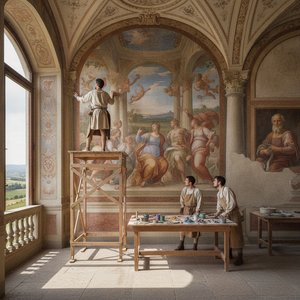
Explore the profound history and technical mastery of fresco painting. From ancient Roman murals to Michelangelo's Sistine Chapel, discover the enduring chemistry and artistry behind this timeless wall painting technique used by the world's greatest masters.


ابقَ على اطلاع بأحدث أخبار الفن، والعروض الحصرية، وأفكار الديكور.
أخبرنا عن مشروعك، وسيقدم لك خبراؤنا الفنيون 3 اقتراحات فنية مخصصة لك.
دعنا نختار لك ٣ خيارات مخصصة تماماً - مجاناً!


 معاينة الحجم الحقيقي
 مشاركة
 مشاركة
 التفاصيل

 تحميل الملف
 قطع مشابهة
 الأشعة السينية
 عرض شرائح


 عرض المزيد







 خيار الزجاج متاح فقط للمقاسات التي تقل عن 110 سم


![Stanze Vaticane - The Parnassus (detail) [07] — رافايلو, High Renaissance](/media/artworks/images-thumb/3c/a1/3ca1620e84d3f2fe4e94d9bb954e0eca.jpg)


