


x
احصل على صورة رقمية عالية الدقة ومعزّنة، بجودة تفوق بكثير المعاينة عبر الإنترنت.
يتم إعداد كل ملف بعناية فائقة من قبل متخصصينا الداخليين باستخدام أدوات متقدمة ولمسات يدوية خبيرة. نضمن أن تتمتع كل صورة بوضوح استثنائي، ودقة لونية متناهية، وتفاصيل دقيقة.
يتم تسليم الملف النهائي عبر البريد الإلكتروني في غضون 72 ساعة، وهو مُحسَّن للاستخدام الفوري في المجالات المهنية والتحريرية ومجالات الطباعة. هذه هي ذات الجودة التي تعتمد عليها كبرى استوديوهات التصميم ودور النشر والمعارض الفنية المرموقة.
حمّل ملفاً عالي الدقة للعرض الشخصي، والطباعة، والمشاريع الإبداعية. ( اشترِ نسخة مطبوعة اشترِ لوحة مرسومة يدويًا)
عندما تختار Most-Famous-Paintings.com، فأنت لا تحصل على مجرد صورة فحسب، بل ستحصل على عمل فني رقمي مُحسّن باحترافية، صُمم بدقة متناهية ومصحوب بضمان الرضا. إليك كل ما يتضمنه طلبك تلقائياً:

ستصلك ملفات صورك الرقمية عالية الدقة عبر البريد الإلكتروني في غضون 72 ساعة من إتمام الطلب - لتكون جاهزة للاستخدام الفوري.

يتم تحسين عملك الفني باحترافية باستخدام أدوات الذكاء الاصطناعي المتقدمة والتحرير اليدوي، لضمان أقصى درجات التفاصيل والوضوح ودقة الألوان.

هل حذفت ملفك أو فقدته عن طريق الخطأ؟ لا تقلق - سنعيد إرساله إليك في أي وقت، ومجاناً.

استمتع بأعمالك الفنية فوراً دون أي رسوم جمركية أو ضرائب أو مصاريف شحن - فالتحميلات الرقمية دائماً ما تكون معفاة من الضرائب.

نحن نضمن أن تعكس صورتك الرقمية الألوان الأصلية بأقصى قدر ممكن من الدقة، وذلك باستخدام أدوات احترافية وتقنيات إدارة الألوان.

إذا لم تكن راضياً عن صورتك الرقمية، فسنقوم بتعديلها أو استرداد 100% من قيمتها خلال 60 يوماً - دون أي أسئلة.

لم تكن راضياً؟ احصل على استرداد كامل المبلغ خلال 60 يومًا من استلام ملفك الرقمي - دون أي أسئلة.

اشتري 3 صور، ووفر 10% - اشتري 5، ووفر 15% - اشتري +10، ووفر 20%. مثالية للمشاريع الإبداعية، والمعارض، والوكالات.

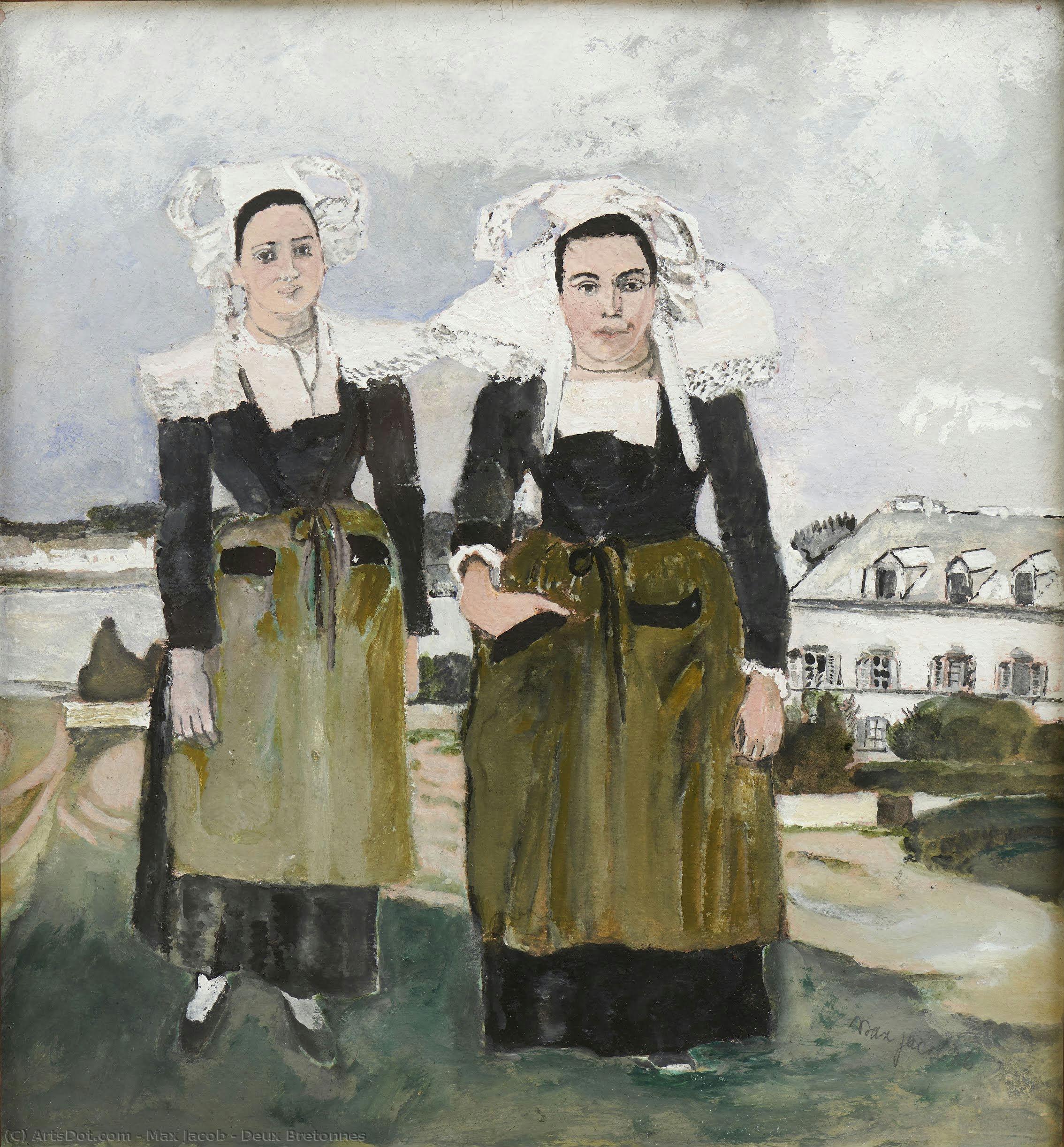
Max Jacob (French: [maks ʒakɔb]; July 12, 1876 – March 5, 1944) was a French poet, painter, writer, and critic. A pivotal figure in the early 20th-century avant-garde, he served as an important link between Symbolism and Surrealism.
Born in Quimper, Brittany, France, Jacob spent his childhood immersed in the region’s culture. He initially pursued studies at the Paris Colonial School in 1897 but soon abandoned them to dedicate himself to a career as an artist. This decision marked the beginning of a multifaceted artistic journey.
Jacob quickly became integrated into the Parisian art scene, forging close relationships with some of the most influential artists and writers of his time. He was among the first friends Pablo Picasso made in Paris, even sharing a room with him on Boulevard Voltaire. Through Picasso, Jacob met Guillaume Apollinaire, who subsequently introduced Picasso to Georges Braque. His circle also included Jean Cocteau, Jean Hugo, Christopher Wood, and Amedeo Modigliani, who famously painted his portrait in 1916.
Jacob’s artistic output spanned multiple disciplines. As a poet, he developed a unique style characterized by free verse, playful language, and exploration of spiritual themes. His prose poems, particularly Le Cornet à dés (The Dice Box), published in 1917, are considered groundbreaking works that anticipate Surrealist techniques. His paintings, while less widely known than his literary work, demonstrate a similar experimentation with form and subject matter.
Beyond Le Cornet à dés, Jacob authored several other significant works including the novel Saint Matorel (1911) and the free verse collection Le Laboratoire Central (1921). His writings often delve into philosophical and religious questions. La Défense de Tartuffe (1919) exemplifies his complex attitudes towards faith and morality.
In 1909, Jacob claimed to have experienced a vision of Christ, leading to his conversion to Catholicism. He hoped this conversion would resolve his internal conflicts regarding his homosexuality, though it proved a complex and ultimately unresolved struggle. This deeply personal journey profoundly influenced his artistic expression.
Max Jacob’s importance lies in his role as a transitional figure between Symbolism and Surrealism. He fostered connections among key artists, encouraging experimentation and pushing the boundaries of artistic expression. His work anticipated many of the themes and techniques that would define 20th-century art and literature. The psychoanalyst Jacques Lacan famously attributed the quote “the truth is always new” to Jacob, highlighting his enduring philosophical impact.
During World War II, as a Jew living in France, Jacob faced increasing persecution. He was arrested by the Gestapo in 1944 and died at the Drancy internment camp shortly thereafter. His legacy continues to inspire artists and scholars interested in the intersection of art, spirituality, and identity.

1876 - 1944 , France


ابقَ على اطلاع بأحدث أخبار الفن، والعروض الحصرية، وأفكار الديكور.
أخبرنا عن مشروعك، وسيقدم لك خبراؤنا الفنيون 3 اقتراحات فنية مخصصة لك.
دعنا نختار لك ٣ خيارات مخصصة تماماً - مجاناً!


 معاينة الحجم الحقيقي
 مشاركة
 مشاركة
 التفاصيل

 تحميل الملف
 قطع مشابهة
 الأشعة السينية
 عرض شرائح

 عرض المزيد





