x


 Oil On CanvasWallArtSurrealism
 1937Modern
 46.0 x 55.0 cm
لوحة زيتية مرسومة يدوياً على الكانفاس بالمقاس والإطار الذي تفضله، تُنفذ حسب الطلب على أيدي فنانينا. ( Switch to Print Switch to Image)





























اختر من بين أحجامنا المُعدّة مسبقًا والتي تتطابق مع النسب الأصلية للعمل الفني.

يمكنك إدخال أبعادك الخاصة لتناسب إطارًا معينًا أو مساحة محددة. وإذا لم يتطابق الحجم الذي اخترته مع نسب الصورة الأصلية، فسنقوم إما بقص العمل الفني أو توسيع اللوحة بإضافة عناصر مرسومة يدويًا. سيتم إرسال نموذج رقمي إليك للموافقة عليه قبل بدء الإنتاج.
يرجى ملاحظة أن المعاينة على الشاشة لا تعكس عملية القص أو التوسيع الفعلية؛ حيث إن النموذج الرقمي وحده هو الذي سيوضح التكوين النهائي بدقة.
وعلى الرغم من توفر أحجام مخصصة، إلا أننا نوصي باختيار أبعاد من القائمة المحددة مسبقًا للحفاظ على النسب الأصلية للعمل الفني.
توصيل عالمي إلى خلال 3 إلى 4 أسابيع بدلاً من المدة المعتادة البالغة 5 أسابيع. (28 يوليو). جودة لا تهاون فيها.


Minotaur is wounded
مقاس النسخة المطبوعة
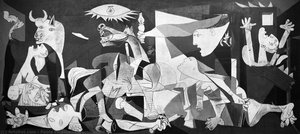
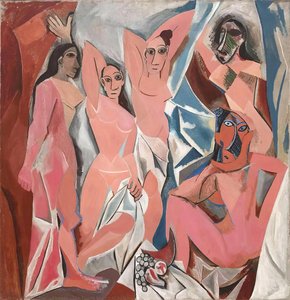
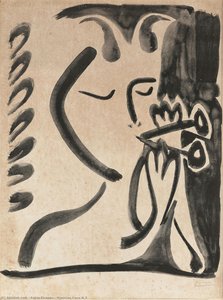
Pablo Picasso's "Minotaur is Wounded," painted in 1937, stands as a cornerstone of Surrealist art—a testament to the movement’s audacious ambition to fuse the subconscious with reality. More than just an image, it’s a carefully constructed narrative that wrestles with themes of power, pain, and the inescapable fragility inherent within strength. Executed in oil on canvas measuring 46 x 55 cm, this artwork immediately captivates viewers with its unsettling juxtaposition of figures and landscapes—a hallmark of Picasso's distinctive vision.
Born in Málaga, Spain, Pablo Ruiz y Picasso (1881-1973) emerged as a revolutionary force in the art world. Influenced by Nietzsche’s philosophy and captivated by Freud's psychoanalytic theories, Surrealism sought to liberate artistic expression from rational constraints. Artists like Picasso deliberately disrupted conventional perspectives, inviting audiences into realms of dreamlike imagery and irrational association—a deliberate challenge to accepted notions of truth.
The painting depicts a woman seated in a boat alongside two other women, creating an atmosphere of palpable tension. The central figure is nude, embodying vulnerability against the backdrop of turbulent waters and scattered boats—a deliberate echo of classical mythology. A third woman appears partially obscured, adding to the enigmatic quality of the scene. Picasso’s masterful use of Cubist techniques—fragmentation, multiple viewpoints—further enhances this sense of disorientation, mirroring the fractured psyche explored by Surrealists.
Picasso's fascination with Greek mythology is evident throughout his oeuvre, and “Minotaur is Wounded” centers on this iconic beast. Traditionally representing primal aggression and inescapable doom, the Minotaur embodies both destructive force and profound vulnerability—a duality that Picasso skillfully portrays. By depicting it as wounded, he subtly interrogates the notion of invincibility, suggesting that even the most formidable figures are susceptible to suffering.
"Minotaur is Wounded" transcends mere visual depiction; it’s an emotional journey into the subconscious. Picasso's expressive brushstrokes convey a palpable sense of unease and sorrow, mirroring the anxieties of his time—a period marked by political turmoil and impending war. The painting compels viewers to confront uncomfortable truths about human nature and the inescapable presence of pain—leaving an indelible impression on anyone who contemplates its unsettling beauty.


1881 - 1973 , إسبانيا
اكتشف 25 تحفة فنية لبابلو بيكاسو، رائد التكعيبية. استكشف قصص لوحاته الشهيرة مثل غيرنيكا و Les Demoiselles d'Avignon، وألوان دورة الزرقاء والوردية. احصل على إعادة إنتاج عالية الجودة لديكور منزلي فاخر على Most-Famous-Paintings.com.
اكتشف 25 تحفة فنية لرينيه ماغريت، رائد السريالية. استكشف قصص لوحاته الخالدة وتقنياته الفريدة وألوانه المميزة. احصل على نسخ عالية الجودة لديكور منزلي فاخر على Most-Famous-Paintings.com.

اكتشف أروع 25 تحفة فنية في متحف المتروبوليتان، نيويورك! قصص ليوناردو دا فينشي وفان جوخ وبيكاسو وأكثر. لوحات كلاسيكية ومعاصرة لإلهام ديكور منزلك. تسوق إعادة إنتاج اللوحات عالية الجودة على Most-Famous-Paintings.com.
اكتشف أروع 25 لوحة فنية في معرض ناسيونال غاليري بواشنطن! رحلة عبر روائع سيزان، ماتيس، وبيكاسو. قصص ملهمة وتقنيات فنية فريدة. احصل على نسخ عالية الجودة لديكور منزلك الفاخر على Most-Famous-Paintings.com

اكتشف أروع 25 لوحة فنية في متحف موما بنيويورك! استكشف قصص فان جوخ, بيكاسو, وارهول وأكثر. روائع انطباعية وتعبيرية لتصميم داخلي فاخر. احصل على إعادة إنتاج عالية الجودة الآن على Most-Famous-Paintings.com


ابقَ على اطلاع بأحدث أخبار الفن، والعروض الحصرية، وأفكار الديكور.
أخبرنا عن مشروعك، وسيقدم لك خبراؤنا الفنيون 3 اقتراحات فنية مخصصة لك.
دعنا نختار لك ٣ خيارات مخصصة تماماً - مجاناً!


 Preview
 مشاركة
 مشاركة
 التفاصيل

 تحميل الملف
 قطع مشابهة
 الأشعة السينية
 عرض شرائح
 عرض المزيد







 خيار الزجاج متاح فقط للمقاسات التي تقل عن 110 سم