x

طباعة جيكلي أو كانفاس بجودة المتاحف، مع سرعة في التنفيذ وخيارات متنوعة للتشطيب. ( اشترِ لوحة مرسومة يدويًا اشترِ الصورة)





























اختر من بين أحجامنا المُعدّة مسبقًا والتي تتطابق مع النسب الأصلية للعمل الفني.

يمكنك إدخال أبعادك الخاصة لتناسب إطاراً أو مساحة معينة. وإذا لم يتطابق الحجم الذي اخترته مع نسب الصورة الأصلية، فسنقوم إما بقص العمل الفني أو تمديد الصورة باستخدام حافة معكوسة أو بلون مصمت. سيتم إرسال نموذج تجريبي رقمي لاعتمادك قبل بدء الإنتاج.
يرجى ملاحظة أن المعاينة على الشاشة لا تعكس عملية القص أو التمديد الفعلية؛ حيث سيوضح النموذج التجريبي فقط التكوين النهائي بدقة.
وعلى الرغم من توفر أحجام مخصصة، إلا أننا نوصي باختيار أبعاد من القائمة المحددة مسبقاً للحفاظ على النسب الأصلية.
توصيل عالمي إلى خلال أسبوعين بدلاً من المدة القياسية البالغة 4/5 أسابيع. 19 أغسطس


The Card-Player 1
مقاس النسخة المطبوعة
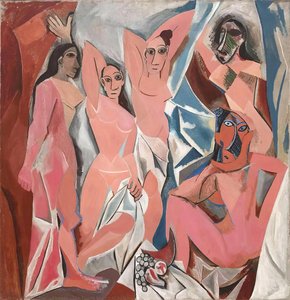
Pablo Picasso's "The Card Player," painted in 1913-14 during the formative years of his artistic breakthrough, stands as a pivotal work embodying the nascent principles of Cubism. Created amidst the turbulent backdrop of European intellectual ferment—the rise of Dada and Surrealism challenging established conventions—this painting transcends mere representation; it delves into psychological complexity and interrogates the very nature of perception.
The mask itself serves as a potent symbol of concealment and identity—a motif recurrent throughout Picasso’s oeuvre. It speaks to themes of repression, hidden emotions, and the difficulty of achieving genuine self-awareness. The inclusion of objects like the vase, clock, and bowl adds layers of significance. These items represent time passing, stillness, and domesticity – elements juxtaposed against the figure's isolation, highlighting the tension between internal experience and external reality.
Painted during a period marked by political instability—the escalating tensions leading up to World War I—"The Card Player" reflects Picasso’s engagement with intellectual currents of his time. Cubism emerged as a reaction against Impressionism and Post-Impressionism, rejecting their emphasis on capturing fleeting impressions of light and color. Instead, Picasso sought to represent objects from multiple viewpoints simultaneously, challenging viewers to reconsider their understanding of visual space.
"The Card Player" transcends its formal innovations to convey a profound emotional resonance. The figure’s solitary posture evokes feelings of vulnerability, contemplation, and perhaps even despair. Picasso's masterful manipulation of form and color invites viewers into a dialogue about the complexities of human experience—the struggle for self-expression amidst societal pressures and the inescapable awareness of mortality.

1881 - 1973 , إسبانيا

Explore the revolutionary world of Cubism. Discover how masters Pablo Picasso and Georges Braque dismantled reality through geometric abstraction to redefine modern art history.

Explore the revolutionary world of Cubism. Discover how Pablo Picasso and Georges Braque dismantled perspective to redefine modern art through geometric innovation and analytical mastery. An essential guide for art students, collectors, and history enthusiasts.

Master the complexities of Cubism with our expert guide. Explore how Picasso and Braque revolutionized modern art through fragmentation, multiple perspectives, and geometric innovation. Perfect for art students and collectors seeking deep historical insight.

Master the complexities of Analytical Cubism with our expert guide. Explore how Picasso and Braque revolutionized art through fragmented perspectives, geometric deconstruction, and simultaneous viewpoints. A definitive resource for art students and collectors seeking deep historical insight.


ابقَ على اطلاع بأحدث أخبار الفن، والعروض الحصرية، وأفكار الديكور.
أخبرنا عن مشروعك، وسيقدم لك خبراؤنا الفنيون 3 اقتراحات فنية مخصصة لك.
دعنا نختار لك ٣ خيارات مخصصة تماماً - مجاناً!


 معاينة الحجم الحقيقي
 مشاركة
 مشاركة
 التفاصيل

 تحميل الملف
 قطع مشابهة
 الأشعة السينية
 عرض شرائح
 عرض المزيد







 خيار الزجاج متاح فقط للمقاسات التي تقل عن 110 سم