x

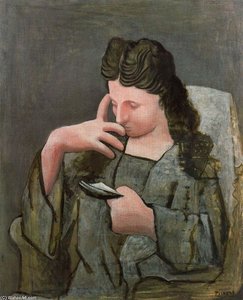
 Acrylic On CanvasWallArtCubist Style
 1919Modern
 28.0 x 26.0 cm
احصل على صورة رقمية عالية الدقة ومعزّنة، بجودة تفوق بكثير المعاينة عبر الإنترنت.
يتم إعداد كل ملف بعناية فائقة من قبل متخصصينا الداخليين باستخدام أدوات متقدمة ولمسات يدوية خبيرة. نضمن أن تتمتع كل صورة بوضوح استثنائي، ودقة لونية متناهية، وتفاصيل دقيقة.
يتم تسليم الملف النهائي عبر البريد الإلكتروني في غضون 72 ساعة، وهو مُحسَّن للاستخدام الفوري في المجالات المهنية والتحريرية ومجالات الطباعة. هذه هي ذات الجودة التي تعتمد عليها كبرى استوديوهات التصميم ودور النشر والمعارض الفنية المرموقة.
حمّل ملفاً عالي الدقة للعرض الشخصي، والطباعة، والمشاريع الإبداعية. ( اشترِ نسخة مطبوعة اشترِ لوحة مرسومة يدويًا)
عندما تختار Most-Famous-Paintings.com، فأنت لا تحصل على مجرد صورة فحسب، بل ستحصل على عمل فني رقمي مُحسّن باحترافية، صُمم بدقة متناهية ومصحوب بضمان الرضا. إليك كل ما يتضمنه طلبك تلقائياً:

ستصلك ملفات صورك الرقمية عالية الدقة عبر البريد الإلكتروني في غضون 72 ساعة من إتمام الطلب - لتكون جاهزة للاستخدام الفوري.

يتم تحسين عملك الفني باحترافية باستخدام أدوات الذكاء الاصطناعي المتقدمة والتحرير اليدوي، لضمان أقصى درجات التفاصيل والوضوح ودقة الألوان.

هل حذفت ملفك أو فقدته عن طريق الخطأ؟ لا تقلق - سنعيد إرساله إليك في أي وقت، ومجاناً.

استمتع بأعمالك الفنية فوراً دون أي رسوم جمركية أو ضرائب أو مصاريف شحن - فالتحميلات الرقمية دائماً ما تكون معفاة من الضرائب.

نحن نضمن أن تعكس صورتك الرقمية الألوان الأصلية بأقصى قدر ممكن من الدقة، وذلك باستخدام أدوات احترافية وتقنيات إدارة الألوان.

إذا لم تكن راضياً عن صورتك الرقمية، فسنقوم بتعديلها أو استرداد 100% من قيمتها خلال 60 يوماً - دون أي أسئلة.

لم تكن راضياً؟ احصل على استرداد كامل المبلغ خلال 60 يومًا من استلام ملفك الرقمي - دون أي أسئلة.

اشتري 3 صور، ووفر 10% - اشتري 5، ووفر 15% - اشتري +10، ووفر 20%. مثالية للمشاريع الإبداعية، والمعارض، والوكالات.
Pablo Picasso's "Tricorne (study)," created in 1919, offers an intimate look into the creative process of a master. This delicate pencil drawing, measuring just 28 x 26 cm, isn’t a finished work intended for grand display; rather, it is a preparatory sketch brimming with energy and anticipation. It serves as a vital stepping stone towards Picasso's larger involvement in the world of ballet, specifically his designs for Sergei Diaghilev’s Ballets Russes production of Manuel de Falla’s “El sombrero de tres picos” – or "The Three-Cornered Hat." The drawing reveals Picasso grappling with composition and character, distilling a vibrant theatrical vision onto paper with remarkable economy.
To understand the significance of this study, one must consider its context. Following World War I, Picasso found himself increasingly drawn to stage design, collaborating with Diaghilev, a visionary impresario known for pushing artistic boundaries. The Ballets Russes were renowned for their innovative choreography and lavish productions, and Picasso’s involvement brought a revolutionary aesthetic to the company. “Tricorne” wasn't simply about illustrating a story; it was an opportunity to reimagine Spanish culture through a Cubist lens. The sketch depicts figures – both human and equine – clustered around what appears to be a central platform or table within an architectural space defined by arches. The composition, while employing perspective, isn’t rigidly adhered to, creating a slightly flattened effect that hints at the stylized world Picasso was building for the ballet. This deliberate distortion is characteristic of his evolving style, moving beyond strict Cubist fragmentation towards a more fluid and expressive form.
The power of “Tricorne (study)” lies not in color, but in its masterful use of line and tone. Executed entirely in black and white, Picasso relies on variations in line weight – from bold outlines to delicate shading – to define form and create a sense of depth. The technique is reminiscent of his earlier sketches, yet infused with the burgeoning stylistic innovations that would come to define his mature work. The absence of color forces the viewer to focus on the essential elements: gesture, composition, and the interplay of light and shadow implied through dense line work. This study isn’t about replicating reality; it's about capturing an *impression* – a fleeting moment of energy and drama poised to burst forth onto the stage. The simplified forms and expressive lines speak volumes, conveying a sense of movement and anticipation that transcends the limitations of monochrome.
While abstract in its execution, “Tricorne (study)” is deeply rooted in Spanish culture. The ballet itself draws inspiration from a 17th-century Spanish novel, and Picasso’s designs aimed to evoke the spirit of Andalusia – its vibrant traditions, passionate characters, and sun-drenched landscapes. The presence of horses within the sketch alludes to the importance of equestrianism in Spanish life and folklore. The figures gathered around the central platform suggest a social gathering, perhaps a celebration or a dramatic confrontation. Though the narrative remains ambiguous, the drawing hints at themes of love, rivalry, and the complexities of human relationships. This study is more than just a technical exercise; it’s an exploration of national identity and artistic expression, filtered through the unique vision of one of the 20th century's most influential artists.


1881 - 1973 , إسبانيا


ابقَ على اطلاع بأحدث أخبار الفن، والعروض الحصرية، وأفكار الديكور.
أخبرنا عن مشروعك، وسيقدم لك خبراؤنا الفنيون 3 اقتراحات فنية مخصصة لك.
دعنا نختار لك ٣ خيارات مخصصة تماماً - مجاناً!


 معاينة الحجم الحقيقي
 مشاركة
 مشاركة
 التفاصيل

 تحميل الملف
 قطع مشابهة
 الأشعة السينية
 عرض شرائح
 عرض المزيد