x

طباعة جيكلي أو كانفاس بجودة المتاحف، مع سرعة في التنفيذ وخيارات متنوعة للتشطيب. ( اشترِ لوحة مرسومة يدويًا اشترِ الصورة)





























اختر من بين أحجامنا المُعدّة مسبقًا والتي تتطابق مع النسب الأصلية للعمل الفني.

يمكنك إدخال أبعادك الخاصة لتناسب إطاراً أو مساحة معينة. وإذا لم يتطابق الحجم الذي اخترته مع نسب الصورة الأصلية، فسنقوم إما بقص العمل الفني أو تمديد الصورة باستخدام حافة معكوسة أو بلون مصمت. سيتم إرسال نموذج تجريبي رقمي لاعتمادك قبل بدء الإنتاج.
يرجى ملاحظة أن المعاينة على الشاشة لا تعكس عملية القص أو التمديد الفعلية؛ حيث سيوضح النموذج التجريبي فقط التكوين النهائي بدقة.
وعلى الرغم من توفر أحجام مخصصة، إلا أننا نوصي باختيار أبعاد من القائمة المحددة مسبقاً للحفاظ على النسب الأصلية.
توصيل عالمي إلى خلال أسبوعين بدلاً من المدة القياسية البالغة 4/5 أسابيع. 19 أغسطس


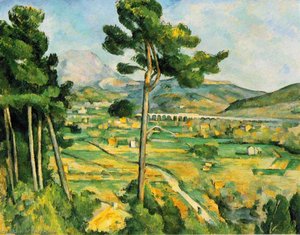
Lauves - (799)
مقاس النسخة المطبوعة
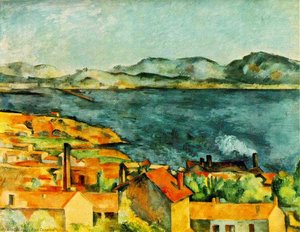
In the sun-drenched landscapes of Provence, where the light possesses a weight and texture all its own, Paul Cézanne captured more than just a view; he captured the very architecture of existence. “Lauves” – (7ly9) stands as a profound testament to this mastery, offering a serene vista that transcends mere landscape painting. Completed around 1886-87, during one of the artist's most prolific and transformative eras, the work presents a hillside bathed in a soft, golden light, dominated by the majestic, snow-capped peaks that loom in the distance. There is an unsettling stillness within this scene, a quiet grandeur that invites the viewer into a state of deep contemplation, challenging us to look past the surface of the natural world and perceive the enduring structures beneath.
To gaze upon this masterpiece is to witness the pivotal moment where the fleeting beauty of Impressionism began to evolve into the structured brilliance of Modernism. While Cézanne was deeply influenced by the luminous experiments of Monet and Sisley, he found their focus on the ephemeral effects of light to be insufficient for capturing the permanence of nature. In Lauves, we see his rejection of the momentary in favor of the monumental. He meticulously observed the contours of the earth, translating rocks, trees, and mountains into a language of simplified, interlocking planes. This technique does not merely depict a mountain; it reconstructs it through a series of geometric essences—cylinders, cones, and cubes—creating a sense of depth and materiality that feels both grounded and transcendent.
The technical brilliance of this piece lies in its deliberate departure from traditional vibrancy. Instead of the frantic brushstrokes often associated with his contemporaries, Cézanne employs a more measured approach, using muted tones and carefully constructed patches of color to build form. The mountains in the background are not smooth, distant silhouettes but are rendered as complex layers of texture and light, providing a rhythmic stability to the composition. This method of analyzing visual experience—breaking the world into its fundamental components—would later become the foundational spark for the Cubist movement, earning Cézanne the title of "the father of us all" from legends like Picasso.
For the discerning collector or interior designer, “Lauves” offers an unparalleled opportunity to introduce a sense of sophisticated calm into a living space. The painting’s palette, a harmonious blend of earthy greens, soft blues, and the crisp white of mountain snow, possesses a restorative quality that can anchor a room with elegance. It is a piece that does not demand attention through loud colors, but rather commands respect through its profound emotional resonance and intellectual depth. Whether placed in a contemporary gallery-style setting or a classic study, this reproduction serves as a window into the soul of Provence, bringing the timeless, structural beauty of Cézanne’s vision into the modern home.


1839 - 1906 , فرنسا

Explore the profound evolution of Post-Impressionist landscapes. From Van Gogh's emotional brushwork to Cézanne's structural mastery, discover how these visionaries redefined art history through color and form in this expert guide for fine art enthusiasts.

Discover how serene landscape masterpieces from the Northern Renaissance to Impressionism can transform your home. Explore art history insights and expert guidance on selecting museum-quality oil reproductions for a tranquil, sophisticated living space.


ابقَ على اطلاع بأحدث أخبار الفن، والعروض الحصرية، وأفكار الديكور.
أخبرنا عن مشروعك، وسيقدم لك خبراؤنا الفنيون 3 اقتراحات فنية مخصصة لك.
دعنا نختار لك ٣ خيارات مخصصة تماماً - مجاناً!


 معاينة الحجم الحقيقي
 مشاركة
 مشاركة
 التفاصيل

 تحميل الملف
 قطع مشابهة
 الأشعة السينية
 عرض شرائح

 عرض المزيد







 خيار الزجاج متاح فقط للمقاسات التي تقل عن 110 سم