x

 Oil On CanvasWallArtBaroque Painting
 1655
1655 108.0 x 86.0 cm
 متحف برادو
طباعة جيكلي أو كانفاس بجودة المتاحف، مع سرعة في التنفيذ وخيارات متنوعة للتشطيب. ( اشترِ لوحة مرسومة يدويًا اشترِ الصورة)





























اختر من بين أحجامنا المُعدّة مسبقًا والتي تتطابق مع النسب الأصلية للعمل الفني.

يمكنك إدخال أبعادك الخاصة لتناسب إطاراً أو مساحة معينة. وإذا لم يتطابق الحجم الذي اخترته مع نسب الصورة الأصلية، فسنقوم إما بقص العمل الفني أو تمديد الصورة باستخدام حافة معكوسة أو بلون مصمت. سيتم إرسال نموذج تجريبي رقمي لاعتمادك قبل بدء الإنتاج.
يرجى ملاحظة أن المعاينة على الشاشة لا تعكس عملية القص أو التمديد الفعلية؛ حيث سيوضح النموذج التجريبي فقط التكوين النهائي بدقة.
وعلى الرغم من توفر أحجام مخصصة، إلا أننا نوصي باختيار أبعاد من القائمة المحددة مسبقاً للحفاظ على النسب الأصلية.
توصيل عالمي إلى خلال أسبوعين بدلاً من المدة القياسية البالغة 4/5 أسابيع. 20 أغسطس


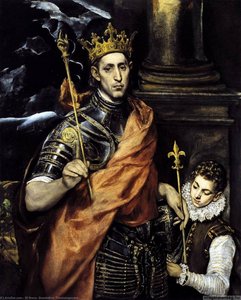
King Louis XIII
مقاس النسخة المطبوعة
Philippe de Champaigne’s “King Louis XIII” is more than just a royal portrait; it's a meticulously crafted distillation of power, authority, and the weighty responsibilities borne by a young king navigating a turbulent era. Painted in 1655 during the height of Louis XIII’s reign, this oil on canvas masterpiece offers a rare glimpse into the man behind the crown – a figure both formidable and subtly introspective. The painting resides within the esteemed collection of the Museo del Prado in Madrid, a testament to its enduring artistic merit and historical significance.
Champaigne's style is distinctly Baroque, characterized by dramatic lighting, rich textures, and an emphasis on realistic detail. He masterfully employs chiaroscuro – the interplay of light and shadow – to sculpt Louis XIII’s form, lending him a palpable sense of presence and gravitas. The king isn’t depicted in flamboyant splendor; rather, Champaigne favors a restrained elegance, focusing on conveying dignity and control through posture and expression. Note the deliberate positioning of his hands, resting calmly yet purposefully upon the armrest – a subtle display of authority that speaks volumes about his command over the kingdom.
Louis XIII’s reign was defined by constant challenges: the lingering threat of religious conflict between Catholics and Huguenots, the machinations of powerful Italian advisors like Cardinal Richelieu, and the ongoing struggle to consolidate royal authority after his father's assassination. This turbulent backdrop is subtly reflected in the painting’s composition. The somber palette – dominated by deep reds, browns, and blacks – evokes a sense of seriousness and responsibility. The carefully chosen details—the richly embroidered velvet robe, the ornate sword, the jeweled ring—are not merely decorative; they are symbols of his royal status and the burdens he carries.
Historical context is crucial to understanding this portrait. Louis XIII ascended the throne at a precarious age, inheriting a kingdom riddled with political intrigue and religious divisions. His early years were marked by instability and the constant need to balance competing factions. Champaigne’s decision to portray Louis XIII in a relatively austere manner—avoiding excessive ornamentation or theatrical gestures—suggests an awareness of this delicate situation. He sought to convey not just the king's power, but also his wisdom and restraint.
Beyond the obvious symbols of royalty, “King Louis XIII” is rich in subtle visual cues. The king’s gaze, direct and unwavering, conveys a sense of self-awareness and perhaps even melancholy. The inclusion of the sword – a traditional emblem of power and justice – underscores his role as protector of the realm. However, it's the small details—the slight furrow of his brow, the subtle tension in his muscles—that lend the portrait an unexpected intimacy. Champaigne doesn’t present us with a distant, idealized image of royalty; instead, he offers a glimpse into the inner life of a man grappling with immense responsibility.
Interestingly, the painting underwent a later transformation. Champaigne reworked it in 1662 to depict Louis XIII as Saint Louis, reflecting the growing influence of Jansenism within the French court and the king’s personal piety. This adaptation highlights Champaigne's versatility as an artist and his ability to respond to evolving cultural and religious currents. The original portrait remains a powerful testament to Louis XIII’s reign, while the later version offers a poignant reflection on the king’s spiritual life.
“King Louis XIII” by Philippe de Champaigne is a remarkable achievement of Baroque portraiture—a painting that transcends its historical context and continues to resonate with viewers today. Its masterful composition, evocative use of light and shadow, and subtle psychological insights combine to create an image of enduring power and beauty. Whether admired for its artistic merit or its historical significance, this portrait remains a captivating window into the life and times of one of France’s most complex and influential monarchs.

فيليب دي شامباني، وُلد في بروكسل عام 1602، برز كشخصية محورية في المشهد الفني الباروكي الفرنسي، على الرغم من أن أصوله كانت خارج حدود المملكة. لم تبدأ رحلته وسط الامتيازات، بل في عائلة متواضعة، حيث تم تنمية ميوله الفنية المبكرة من خلال دراساته الأولية تحت إشراف جاك فوكيريس، رسام المناظر الطبيعية الذي قدم مهارات أساسية. أثبت هذا الأساس أهميته عندما توجه الفنان الشاب إلى باريس عام 1621 - مدينة كانت على وشك أن تصبح موطنه المتبنى وقاعدة انطلاق لموهبته المتنامية. هناك، تدرب على يد نيكولا بوسان، وهو لقاء ترك بصمة لا تمحى على فهمه للتكوين والرسومات. أصبح قصر لوكسمبورغ ساحة اختبار مبكرة، حيث ساهم دي شامباني في زخرفته تحت إشراف نيكولا دوشين، وهي تجربة تشكيلية حددت مسار مسيرته الفنية. كانت فترة من التأثيرات الممتصة، ووضعت الأساس لأسلوب سيجمع في النهاية بين الدراما الباروكية والحساسية الفرنسية الفريدة.
ارتبط اسم دي شامبيني بالرسم الديني وصور البورتريه - ركيزتان أساسيتان تعكسان التيارات المهيمنة في عصره. لم تكن لوحاته مجرد تصوير؛ بل كانت بيانات، مشبعة بالكثافة العاطفية وإتقان الكياروسكورو، هذا التفاعل الدرامي للضوء والظل الذي حدد جماليات الباروك. تعتبر أعمال مثل القديس جيروم في البرية وصورة أومر تالون وموسى يحمل ألواح الشريعة بمثابة شهادات على مهارته، حيث تكشف كل ضربة فرشاة عن فهم عميق للشكل البشري والوزن الروحي. لم يقتصر على الأعمال الصغيرة أيضًا؛ فقد عرضت العديد من اللوحات لكاتدرائية نوتردام قدرته على تصور وتنفيذ تركيبات واسعة النطاق بتفاصيل معقدة. ومع ذلك، كانت سلسلة صوره للكاردينال ريشيليو هي التي رسخت مكانته في التاريخ. تم تكليف أحد عشر بورتريهًا متميزًا لرجل الدولة القوي - يلتقط كل منها جانبًا مختلفًا من سلطته - مما يعكس ليس براعة دي شامبيني الفنية فحسب، بل أيضًا علاقة وثيقة مع إحدى أكثر الشخصيات نفوذاً في فرنسا. لم تكن هذه مجرد صور؛ بل كانت صورًا مبنية بعناية مصممة لإسقاط القوة والسيطرة.
لم يكن دي شامبيني رسامًا فحسب؛ بل كان مهندسًا للعالم الفني الفرنسي نفسه. بصفته أحد الأعضاء المؤسسين لأكاديمية رويال للرسم والنحت، لعب دورًا حيويًا في رسمنة التدريب الفني ووضع معايير التميز داخل المملكة. أصبحت هذه المؤسسة حجر الزاوية للهوية الفنية الفرنسية، وتعزيز أسلوب متميز يوازن بين الديناميكية الباروكية والاعتدال الكلاسيكي - وهو مزيج ساهم فيه دي شامبيني بشكل كبير. امتد نفوذه إلى ما وراء حياته الخاصة، مما مهد الطريق للأجيال اللاحقة من الفنانين الفرنسيين الذين سيبنون على الأسس التي ساعد في وضعها. اليوم، تزين أعماله المتاحف المرموقة حول العالم، بما في ذلك متحف اللوفر وكاتدرائية نوتردام، مما يضمن استمرار إرثه في إلهام الرهبة والإعجاب. لا يزال تأثير تفانيه في الدقة الفنية محسوسًا في تعليم الفن اليوم.
خلال حياته المهنية، خضع أسلوب دي شامبيني لتطور دقيق ولكنه كبير. تكشف أعماله اللاحقة عن كآبة وتأمل متزايدين، لا سيما في لوحاته الدينية. لم تعد المشاهد الكتابية مجرد سرد؛ بل أصبحت مركبات للتأمل الروحي العميق، مشبعة بشعور من الاحترام الهادئ. تأثر هذا التحول جزئيًا بالتيارات اللاهوتية للجانسينية - وهي حركة كاثوليكية تؤكد على نعمة الإله وفساد الإنسان - والتي وجدت تعبيرًا لها في مزاج وموضوع بعض أعماله الأكثر إقناعًا. استكشف موضوعات التواضع والتضحية والبحث عن الخلاص، وخلق صورًا رددت صداها مع الشعور المتزايد بالاندفاع الديني داخل المجتمع الفرنسي. حتى في صوره، ظهر مستوى جديد من العمق النفسي، وكشف ليس فقط المظاهر الخارجية ولكن أيضًا الحياة الداخلية لموضوعاته. كانت الرحلة الفنية لفيليب دي شامبيني رحلة تحسين مستمر، وبلغت ذروتها في أعمال تحدث إلى كل من العقل والروح. اتبع ابنه جان بابتيست دي شامبيني خطاه كرسام، واستمر في التزام الأسرة بالمساعي الفنية وضمان استمرار إرثهم الإبداعي.

1602 - 1674 , هولندا

Explore the profound elegance of Baroque Classicism. Discover how 17th-century masters synthesized dramatic emotion with classical order through the lens of the Counter-Reformation and the works of legends like Carlo Maratta and Andrea Sacchi.

Explore the dramatic power of Baroque art through an expert guide to light, shadow, and emotion. Discover how the Counter-Reformation shaped 17th-century masterpieces and learn about the profound techniques used by the Old Masters to inspire awe.

Explore the dramatic world of Baroque portraiture. Discover how masters used chiaroscuro and light to evoke profound emotion during the Counter-Reformation. A definitive guide for art enthusiasts seeking to understand the power of 17th-century masterpieces.

Explore the profound differences between Baroque drama and Rococo elegance. Our expert guide delves into art history, chiaroscuro, and the evolution of European masterpieces for collectors and enthusiasts seeking deep historical context.

Explore the dramatic evolution from Mannerist distortion to Baroque grandeur. Discover how light, shadow, and emotion redefined art history through a masterclass in technical mastery and religious fervor.


ابقَ على اطلاع بأحدث أخبار الفن، والعروض الحصرية، وأفكار الديكور.
أخبرنا عن مشروعك، وسيقدم لك خبراؤنا الفنيون 3 اقتراحات فنية مخصصة لك.
دعنا نختار لك ٣ خيارات مخصصة تماماً - مجاناً!


 معاينة الحجم الحقيقي
 مشاركة
 مشاركة
 التفاصيل

 تحميل الملف
 قطع مشابهة
 الأشعة السينية
 عرض شرائح
 عرض المزيد







 خيار الزجاج متاح فقط للمقاسات التي تقل عن 110 سم