x

لوحة زيتية مرسومة يدوياً على الكانفاس بالمقاس والإطار الذي تفضله، تُنفذ حسب الطلب على أيدي فنانينا. ( اشترِ نسخة مطبوعة اشترِ الصورة)





























اختر من بين أحجامنا المُعدّة مسبقًا والتي تتطابق مع النسب الأصلية للعمل الفني.

يمكنك إدخال أبعادك الخاصة لتناسب إطارًا معينًا أو مساحة محددة. وإذا لم يتطابق الحجم الذي اخترته مع نسب الصورة الأصلية، فسنقوم إما بقص العمل الفني أو توسيع اللوحة بإضافة عناصر مرسومة يدويًا. سيتم إرسال نموذج رقمي إليك للموافقة عليه قبل بدء الإنتاج.
يرجى ملاحظة أن المعاينة على الشاشة لا تعكس عملية القص أو التوسيع الفعلية؛ حيث إن النموذج الرقمي وحده هو الذي سيوضح التكوين النهائي بدقة.
وعلى الرغم من توفر أحجام مخصصة، إلا أننا نوصي باختيار أبعاد من القائمة المحددة مسبقًا للحفاظ على النسب الأصلية للعمل الفني.
توصيل عالمي إلى خلال 3 إلى 4 أسابيع بدلاً من المدة المعتادة البالغة 5 أسابيع. (20 أغسطس). جودة لا تهاون فيها.


Dancer with Castenets
مقاس النسخة المطبوعة
Pierre-Auguste Renoir's "Dancer with Castanets," painted in 1895, isn’t merely a depiction of a performance; it’s an exquisite distillation of Impressionism’s core tenets – light, movement, and the ephemeral beauty of everyday life. This vibrant oil on canvas captures a fleeting moment of joyous abandon, transporting us to a Parisian salon filled with music and color. The painting immediately draws the eye to the dancer herself, a figure radiating confidence and grace within her scarlet dress. Her pose is dynamic yet poised, suggesting an effortless turn, while her outstretched hands, holding the castanets, hint at the rhythmic pulse of the dance itself. Renoir masterfully employs broken brushstrokes – a hallmark of his Impressionistic style – to create a sense of shimmering light and airiness, as if the scene is caught in a sunbeam.
The background, rendered in warm yellows and ochres, provides a subtle yet crucial contrast. It’s not a detailed landscape but rather an atmospheric backdrop that emphasizes the dancer's presence and contributes to the overall feeling of warmth and vibrancy. The use of color is particularly noteworthy; Renoir doesn’t simply represent reality but instead interprets it through his subjective perception of light and hue. The red of the dress, intensified by the surrounding tones, commands attention, while delicate pinks and blues suggest the fabric's texture and movement.
“Dancer with Castanets” stands as a quintessential example of Impressionist painting. Renoir, like his contemporaries Monet and Sisley, was fascinated by capturing the *impression* of a scene – not its precise details but rather the way light and color interact to create a particular mood or feeling. This is achieved through his loose brushwork, which creates an almost vibrating effect on the canvas. The painting’s energy isn't derived from sharp lines or meticulous rendering; instead, it comes from the artist’s ability to convey movement and atmosphere with rapid, expressive strokes.
The technique employed reflects a shift away from the academic traditions of the Salon, where realism and historical subjects were favored. Impressionists sought to paint *en plein air* (outdoors), directly observing nature and capturing its immediate effects on the eye. This approach resulted in paintings that are often characterized by their spontaneity and subjective interpretation. Renoir’s use of color is particularly aligned with this philosophy, as he prioritized conveying the sensation of light over strict adherence to naturalistic representation.
Beyond its technical brilliance, “Dancer with Castanets” holds a subtle layer of symbolism. The dancer herself represents joy, movement, and perhaps even a touch of exotic allure – elements frequently associated with the Parisian entertainment scene at the turn of the century. Castanets, traditional Spanish percussion instruments, evoke images of flamenco and Spain, suggesting a connection to vibrant cultural traditions. The setting, likely a private salon or gathering, hints at the social life and artistic patronage that flourished in Paris during this period.
The painting’s creation coincided with a time of significant change in French society and art. Impressionism was challenging established norms and paving the way for modern art movements. Renoir's work reflects both the optimism and experimentation of the era, capturing a moment of beauty and vitality while simultaneously pushing the boundaries of artistic convention.
“Dancer with Castanets” remains one of Renoir’s most beloved paintings, admired for its luminous quality, dynamic composition, and evocative portrayal of human expression. It's a testament to the artist’s ability to capture not just a scene but also the very essence of life itself. Most-Famous-Paintings offers meticulously crafted reproductions that faithfully recreate this masterpiece, allowing you to bring its beauty into your own home or office. Explore our collection today and experience the magic of Impressionism firsthand.

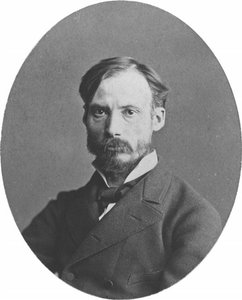
1841 - 1919 , فرنسا

اكتشف روعة أعمال رينوار! استكشف 25 لوحة انطباعية خالدة، ورحلة الفنان في عالم الضوء والجمال. طباعة فنية عالية الجودة لديكور منزلي فاخر على Most-Famous-Paintings.com.

Explore the rich symbolism of the red dress in art history! From ancient power displays to iconic portraits like Cézanne’s 'Madame Cezanne', discover the cultural and artistic significance behind this captivating color. Expert analysis & insights.

اكتشف روائع الرسم الانطباعي! استكشف 10 لوحات خالدة لفنانين كبار مثل مونيه وفان جوخ. تعرف على تاريخ الفن، الألوان الساحرة، والديكور الراقي. احصل على إعادة إنتاج فنيّة عالية الجودة من Most-Famous-Paintings.com

Explore the captivating world of Pierre-Auguste Renoir! Discover his life, iconic Impressionist masterpieces & enduring legacy with our expert guide. High-quality reproductions available.

اكتشف أروع 10 لوحات انطباعية غيرت مسار الفن! مونيه، مانيت، رينوار وأكثر. قصص فنانين وتقنيات فريدة لتزيين منزلك بألوان الباستيل وتأثير الضوء. تحف فنية أصلية وإعادة إنتاج عالية الجودة على Most-Famous-Paintings.com


ابقَ على اطلاع بأحدث أخبار الفن، والعروض الحصرية، وأفكار الديكور.
أخبرنا عن مشروعك، وسيقدم لك خبراؤنا الفنيون 3 اقتراحات فنية مخصصة لك.
دعنا نختار لك ٣ خيارات مخصصة تماماً - مجاناً!


 معاينة الحجم الحقيقي
 مشاركة
 مشاركة
 التفاصيل

 تحميل الملف
 قطع مشابهة
 الأشعة السينية
 عرض شرائح

 عرض المزيد







 خيار الزجاج متاح فقط للمقاسات التي تقل عن 110 سم