A Glimpse of Parisian Life: Decoding Renoir’s “The Umbrella”
Pierre-Auguste Renoir's 1878 masterpiece, “The Umbrella,” is more than just a depiction of a woman with an umbrella; it’s a captivating snapshot of modern life in late 19th-century Paris and a cornerstone of the Impressionist movement. This painting invites us into a world of leisure, light, and fleeting moments, offering a serene escape from the bustle of urban existence.
Subject & Composition: An Ode to Everyday Elegance
The focal point is undoubtedly the elegantly dressed woman seated beneath her parasol. Her poised posture and fashionable attire – a hat adorned with ribbons and a stylish dress – suggest a member of the burgeoning Parisian middle class enjoying a moment of respite. The composition isn’t grand or dramatic; instead, it focuses on an intimate scene. A nearby chair hints at recent activity—perhaps reading, conversation, or simply observing the world around her. Two figures in the background are deliberately blurred, serving to emphasize the central figure and create a sense of depth without distraction. This deliberate focus on a single moment encapsulates the Impressionist fascination with capturing *ephemeral* experiences.
Impressionistic Technique: Light, Color & Brushwork
“The Umbrella” is a masterclass in Impressionistic technique. Renoir eschews precise detail in favor of conveying the *impression* of light and atmosphere. He achieves this through several key methods:
- Broken Brushstrokes: Notice how Renoir doesn’t blend his colors seamlessly; instead, he uses short, visible brushstrokes that create a sense of movement and vibrancy.
- Vivid Color Palette: The painting is awash in soft pastels – yellows, greens, blues, and pinks – reflecting the dappled sunlight filtering through the trees. These colors aren’t necessarily realistic but are chosen to evoke a specific mood and feeling.
- Emphasis on Light & Shadow: Renoir expertly captures the interplay of light and shadow, creating a sense of depth and realism despite the loose brushwork.
Historical Context: A Reflection of Modernity
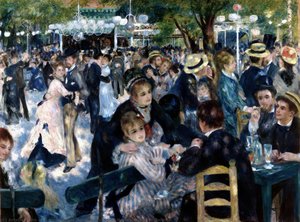
Created during a period of significant social and economic change in France, “The Umbrella” reflects the growing leisure class and their newfound opportunities for recreation. The rise of department stores, cafes, and public parks provided spaces for people to socialize and enjoy themselves. Renoir’s painting captures this spirit of modernity, portraying a woman who is free to spend her time as she pleases – a symbol of changing social norms. It's important to note that the painting was created around the same time as other Impressionist works depicting outdoor scenes and modern life, such as Monet’s paintings of train stations and Renoir’s own “Bal du moulin de la Galette.”
Symbolism & Emotional Impact: Serenity & Fleeting Beauty
While not overtly symbolic, the umbrella itself can be interpreted as a symbol of protection and refinement. It shields the woman from the elements while also adding to her elegant appearance. More broadly, the painting evokes feelings of tranquility, nostalgia, and *joie de vivre*. Renoir’s ability to capture a fleeting moment in time—a sun-drenched afternoon, a quiet contemplation—resonates with viewers even today. The overall effect is one of peacefulness and understated beauty.
Legacy & Interior Design Considerations
“The Umbrella” remains a beloved work within the Impressionist canon. Its enduring appeal lies in its ability to transport us to another time and place, offering a glimpse into a world of elegance and serenity. As a reproduction, this painting would be an exquisite addition to any interior space. The soft color palette lends itself well to bedrooms, living rooms, or dining areas, creating a calming and sophisticated atmosphere. Its classic subject matter ensures it will remain timeless and relevant for years to come. Consider pairing it with furniture in neutral tones and natural materials to enhance its understated elegance.