


x

طباعة جيكلي أو كانفاس بجودة المتاحف، مع سرعة في التنفيذ وخيارات متنوعة للتشطيب. ( اشترِ لوحة مرسومة يدويًا اشترِ الصورة)





























اختر من بين أحجامنا المُعدّة مسبقًا والتي تتطابق مع النسب الأصلية للعمل الفني.

يمكنك إدخال أبعادك الخاصة لتناسب إطاراً أو مساحة معينة. وإذا لم يتطابق الحجم الذي اخترته مع نسب الصورة الأصلية، فسنقوم إما بقص العمل الفني أو تمديد الصورة باستخدام حافة معكوسة أو بلون مصمت. سيتم إرسال نموذج تجريبي رقمي لاعتمادك قبل بدء الإنتاج.
يرجى ملاحظة أن المعاينة على الشاشة لا تعكس عملية القص أو التمديد الفعلية؛ حيث سيوضح النموذج التجريبي فقط التكوين النهائي بدقة.
وعلى الرغم من توفر أحجام مخصصة، إلا أننا نوصي باختيار أبعاد من القائمة المحددة مسبقاً للحفاظ على النسب الأصلية.
توصيل عالمي إلى خلال أسبوعين بدلاً من المدة القياسية البالغة 4/5 أسابيع. 12 أغسطس


Marinus Willett
مقاس النسخة المطبوعة
Ralph Earl's 1791 portrait of Marinus Willett isn’t merely a likeness; it’s a carefully constructed tableau of colonial power, civic leadership, and the burgeoning spirit of early America. The painting immediately commands attention with its formal composition – a testament to the conventions of 18th-century portraiture, yet subtly infused with an underlying dynamism. Willett, a prominent figure in New York's Sons of Liberty and a key player during the American Revolution, is depicted outdoors, seemingly gesturing upwards with his right hand, a gesture that simultaneously conveys authority and engagement. The sword at his side isn’t just a symbol of military service; it represents the weight of responsibility he carried as a leader within his community.
Earl masterfully employs a restrained palette dominated by deep blues – echoing the vastness of the sky and the solemnity of naval uniforms – juxtaposed with crisp whites, suggesting both dignity and a certain austerity. Greens punctuate the landscape, grounding the figure in the natural world while also hinting at the prosperity derived from colonial trade. The subtle use of gold and brown accents within Willett’s uniform adds a touch of opulence, subtly elevating his status and reflecting the wealth he accumulated through mercantile endeavors.
Earl's technical skill is evident in the meticulous rendering of detail – from the intricate folds of Willett’s coat to the texture of his boots. The artist utilizes linear perspective with precision, creating a convincing sense of depth within the landscape backdrop. The receding trees and distant hills draw the eye towards the figure, reinforcing his central importance within the scene. Notice how the horizontal lines of the horizon are carefully balanced against the verticality of Willett’s posture, establishing a harmonious visual equilibrium.
Beyond technical proficiency, Earl demonstrates an astute understanding of composition. The placement of Willett at the center of the frame immediately draws the viewer's attention, while the two figures in the background – likely representing his family or associates – subtly enrich the narrative without disrupting the primary focus. The inclusion of birds scattered throughout the painting adds a layer of symbolic meaning, often interpreted as emblems of freedom and vigilance, qualities highly valued during this period of revolutionary upheaval.
Marinus Willett’s significance extends far beyond his portraiture. He was a pivotal figure in New York's resistance to British rule, actively participating in the Sons of Liberty and playing a crucial role in events like the defense of Fort Stanwix during the Revolutionary War. The painting itself serves as a visual record of this era, capturing Willett at the height of his influence – a man who seamlessly blended military service, political activism, and mercantile success.
The inclusion of the sword is particularly noteworthy. It’s not simply an accessory; it represents Willett's commitment to defending colonial liberties and upholding the principles of self-governance. The gesture towards the heavens suggests a vision for the future – a desire to lead his community toward a more just and prosperous society. The painting, therefore, becomes a powerful statement about the ideals that fueled the American Revolution.
Earl’s choice of oil paint on canvas is perfectly suited to capturing the richness of color and detail characteristic of this period. The smooth brushwork contributes to the painting's polished appearance, while also allowing for subtle gradations of tone that enhance the sense of realism. The portrait stands as a testament to Earl’s ability to translate complex ideas into a visually compelling narrative – a lasting tribute to a remarkable figure in American history.

في نسيج الفن الأمريكي المبكر، تبرز خيوط قليلة بقدر من الحيوية أو التميز الذي نسجه رالف إيرل. فباعتباره سيداً عصامياً برز من قلب المناظر الطبيعية الوعرة في نيو إنجلard الاستعمارية، امتلك إيرل قدرة نادرة على تجسيد الكرامة الحميمة للفرد وعظمة البراري الأمريكية الآخذة في التوسع في آن واحد. ولد في ريف ماساتشوستس عام 1751، وكانت رحلته رحلة تحول عميق؛ من حرفي متنقل يواجه تقلبات أمة ناشئة، إلى رسام بورتريه رفيع المستوى استقطبت أعماله في نهاية المطاف اهتمام النخبة الاستعمارية.
اتسمت سنوات إيرل الأولى بسعي دؤوب لإتقان المهارة وارتباط وثيق بالنبض البصري لعصره. ومن دون الاستناد إلى تدريب أكاديمي رسمي، طور أسلوباً متميزاً اتسم بدقة متناهية في التفاصيل وحيوية إيقاعية فريدة. وقد شكل تأسيسه لمرسم في نيو هيفن، كونيتيكت، حوالي عام 1774 بداية حقبة غزيرة من فن البورتريه؛ ولم تكن هذه الأعمال مجرد محاكاة للوجوه، بل كانت رموزاً صيغت بعناية لتعكس المكانة الاجتماعية، والسمات الشخصية، والهوية الناشئة لشعب يقف على أعتاب الثورة. ومن خلال ريشته، خلدت وجوه الحقبة الاستعمارية بإحساس من الديمومة والوقار.
كانت الأجواء المضطربة للثورة الأمريكية بمثابة خلفية ومحفز للتطور الإبداعي لإيرل. فبينما كانت نيران الصراع تشتعل في ليكسينغتون وكونكورد، لم يكتفِ إيرل بالمراقبة من بعيد، بل ترجم فوضى الحرب إلى سرديات بصرية قوية. وقد أسفر تعاونه مع الحفار أموس دوليتل عن سلسلة من مشاهد المعارك الدرامية التي عملت كأداة دعائية مؤثرة للقضية الثورية. وأظهرت هذه المطبوعات، التي انتشرت على نطاق واسع، قدرة إيرل على استخدام الفن كوسيلة للتعليق الاجتماعي والتعبير السياسي، مزجاً بين براعته التقنية وإحساسه العميق بالضرورة التاريخية.
وسعياً منه لصقل موهبته المتنامية، خاض إيرل رحلة جريئة ومغيرة لمساره نحو إنجلترا في عام 1778. وتشير الأساطير إلى أنه سافر متخفياً في زي خادم لقبطان بريطاني، مما يعد دليلاً على الدهاء والإصرار اللذين ميزا شخصيته. وقد منحت هذه الفترة من الانكشاف على التقاليد الأوروبية رؤى لا تقدر بثمن حول التقنيات الكلاسيكية في رسم البورتريه والمناظر الطبيعية. وعند عودته إلى الشواطئ الأمريكية، بدأت أعماله تظهر رقيّاً جديداً، يمزج بين الصدق الخام لجذوره الأمريكية والأناقة الرفيعة للعالم القديم.
بينما تظل لوحاته الشخصية إنجازات جوهرية في مسيرته، فإن مساهمة إيرل في تقاليد المناظر الطبيعية الأمريكية لا يمكن وصفها إلا بالملحمية. فقد امتلك عيناً استثنائية لالتقاط الجمال السامي، وهو ما تجلى بوضوح في تصويراته المذهلة لـ شلالات نياجرا. وفي هذه الرؤى البانورامية، تجاوز مجرد التوثيق البسيط، ليجسد القوة الطاغية والجلال الروحي للعالم الطبيعي. إن قدرته على توسيع رؤيته من التفاصيل الدقيقة للياقة دانتيل ترتديها سيدة في لوحة، إلى الامتداد الهادر لشلال عظيم، تظهر تنوعاً فنياً قلما استطاع معاصروه مضاهاته.
تكمن الأهمية التاريخية لرالف إيرل في دوره كجسر يربط بين الماضي الاستعماري والهوية الأمريكية الناشئة. إذ يعد نتاجه الفني أرشيفاً بصرياً لأمة تمر بمرحلة تحول، موثقاً الوجوه والسياسات والمناظر الطبيعية التي شكلت الولايات المتحدة. ومن خلال أعماله، نلتقي بالقوة الهادئة للإنسان في العصر الاستعماري وبالجمال الجامح للحدود الأمريكية. واليوم، لا يُذكر إيرل كمجرد رسام، بل كرؤيوي ساعد في صياغة اللغة البصرية لعصر جديد، تاركاً وراءه إرثاً لا يزال يتردد صداه بروح الاستكشاف والصمود.

1751 - 1801 , الولايات المتحدة الأمريكية

Explore the opulent world of Rococo art! Discover Watteau, Boucher & Nattier's masterpieces. Expert insights for collectors seeking museum-quality reproductions and custom portraits at Most-Famous-Paintings.
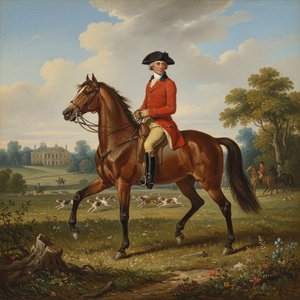
Explore the captivating equestrian art of John Nost Sartorius (1759-1828). Discover his detailed paintings of racehorses, hunting scenes & aristocratic life. Learn about collecting Sartorius's work and its lasting value.

Explore the groundbreaking work of Berenice Abbott, a pioneer of documentary photography. Discover her iconic images of New York City, portraits, and scientific studies. Learn about her unique style & lasting legacy at Most-Famous-Paintings.

Explore the life & art of Louise Élisabeth Vigée Le Brun, Marie Antoinette’s renowned portraitist. Discover her Rococo style, self-portraits, and influence on 18th-century French painting. A deep dive into patronage & feminine identity.
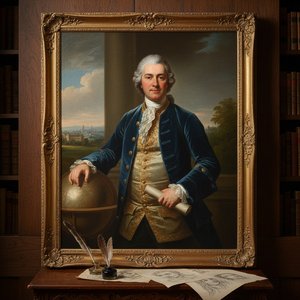
Explore the life & work of Thomas Hudson, a leading 18th-century British portraitist. Discover his mastery of the 'Grand Manner,' influential style, and lasting impact on British art. Learn about his notable portraits like Judge William Noel & Alexander Van Aken.


ابقَ على اطلاع بأحدث أخبار الفن، والعروض الحصرية، وأفكار الديكور.
أخبرنا عن مشروعك، وسيقدم لك خبراؤنا الفنيون 3 اقتراحات فنية مخصصة لك.
دعنا نختار لك ٣ خيارات مخصصة تماماً - مجاناً!


 معاينة الحجم الحقيقي
 مشاركة
 مشاركة
 التفاصيل

 تحميل الملف
 قطع مشابهة
 الأشعة السينية
 عرض شرائح


 عرض المزيد







 خيار الزجاج متاح فقط للمقاسات التي تقل عن 110 سم


