x

 1920
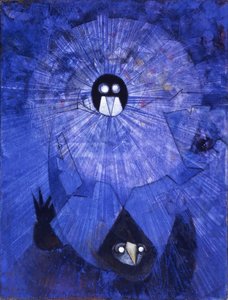
1920 184.0 x 138.0 cm
 The Hepworth Wakefield
احصل على صورة رقمية عالية الدقة ومعزّنة، بجودة تفوق بكثير المعاينة عبر الإنترنت.
يتم إعداد كل ملف بعناية فائقة من قبل متخصصينا الداخليين باستخدام أدوات متقدمة ولمسات يدوية خبيرة. نضمن أن تتمتع كل صورة بوضوح استثنائي، ودقة لونية متناهية، وتفاصيل دقيقة.
يتم تسليم الملف النهائي عبر البريد الإلكتروني في غضون 72 ساعة، وهو مُحسَّن للاستخدام الفوري في المجالات المهنية والتحريرية ومجالات الطباعة. هذه هي ذات الجودة التي تعتمد عليها كبرى استوديوهات التصميم ودور النشر والمعارض الفنية المرموقة.
حمّل ملفاً عالي الدقة للعرض الشخصي، والطباعة، والمشاريع الإبداعية. ( اشترِ نسخة مطبوعة اشترِ لوحة مرسومة يدويًا)
عندما تختار Most-Famous-Paintings.com، فأنت لا تحصل على مجرد صورة فحسب، بل ستحصل على عمل فني رقمي مُحسّن باحترافية، صُمم بدقة متناهية ومصحوب بضمان الرضا. إليك كل ما يتضمنه طلبك تلقائياً:

ستصلك ملفات صورك الرقمية عالية الدقة عبر البريد الإلكتروني في غضون 72 ساعة من إتمام الطلب - لتكون جاهزة للاستخدام الفوري.

يتم تحسين عملك الفني باحترافية باستخدام أدوات الذكاء الاصطناعي المتقدمة والتحرير اليدوي، لضمان أقصى درجات التفاصيل والوضوح ودقة الألوان.

هل حذفت ملفك أو فقدته عن طريق الخطأ؟ لا تقلق - سنعيد إرساله إليك في أي وقت، ومجاناً.

استمتع بأعمالك الفنية فوراً دون أي رسوم جمركية أو ضرائب أو مصاريف شحن - فالتحميلات الرقمية دائماً ما تكون معفاة من الضرائب.

نحن نضمن أن تعكس صورتك الرقمية الألوان الأصلية بأقصى قدر ممكن من الدقة، وذلك باستخدام أدوات احترافية وتقنيات إدارة الألوان.

إذا لم تكن راضياً عن صورتك الرقمية، فسنقوم بتعديلها أو استرداد 100% من قيمتها خلال 60 يوماً - دون أي أسئلة.

لم تكن راضياً؟ احصل على استرداد كامل المبلغ خلال 60 يومًا من استلام ملفك الرقمي - دون أي أسئلة.

اشتري 3 صور، ووفر 10% - اشتري 5، ووفر 15% - اشتري +10، ووفر 20%. مثالية للمشاريع الإبداعية، والمعارض، والوكالات.

Ralph Nicholas Chubb (1892–1960) remains one of the most enigmatic figures in the tapestry of early 20th-century British art, a creator whose work breathed with the intensity of a private, sacred mythology. Born in Harpenden, Hertfordshire, and raised amidst the historic surroundings of St Albans, Chubb’s early life was steeped in an intellectual curiosity that would later define his multifaceted career as a poet, printer, and artist. His creative essence was not merely a product of aesthetic training but a profound response to the turbulent era in which he lived. The shadows of the First World War and the subsequent interwar years left an indelible mark on his psyche; while serving with distinction as an officer, he contracted neurasthenia, a condition that, though physically limiting, perhaps deepened his inward gaze and fueled his preoccupation with themes of vulnerability, innocence, and the ephemeral nature of youth.
The development of Chubb’s artistic language was profoundly shaped by his time at the Slade School of Art in London. It was here that he encountered the influential Leon Underwood, a connection that would tether him to the avant-garde movements of the day through publications like The Island. His work emerged as a striking synthesis of disparate influences, drawing heavily from the visionary Romanticism of William Blake and the expansive, democratic spirit of Walt Whitman. This fusion allowed him to construct an anti-materialist universe—a personal mythos that sought to transcend the industrial grit of his age. Through his exquisite woodcuts and evocative oil paintings, Chubb explored a landscape of the soul, where the boundaries between the natural world and human desire became beautifully blurred.
To encounter a work by Ralph Nicholas Chubb is to step into a realm where technique serves the higher purpose of myth-making. His mastery of the woodcut medium allowed for a stark, rhythmic precision, capturing the "whisper" of his poetic sensibilities through bold lines and intricate textures. In his paintings, however, the artist embraced a more lush and atmospheric approach. Works such as The Enchanted Valley (1925) demonstrate his ability to use oil on canvas to evoke a sense of primordial peace. In this piece, the composition of naked figures nestled within a verdant, mountainous landscape serves as a testament to his fascination with the purity of the human form and the serenity of nature.
Chubb’s aesthetic was often characterized by a tension between the serene and the revolutionary. While much of his imagery evokes a sense of pastoral tranquility, there exists an underlying current of radical thought. His art was imbued with revolutionary impulses regarding sexuality and a persistent fascination with the adolescent male, themes that were both deeply personal and socially provocative for his time. This preoccupation with innocence and the delicate balance of power and vulnerability gave his work a psychological depth that set him apart from his contemporaries. Even in pieces like The Well (1920), where he depicts figures engaged in communal activity amidst trees and chairs, there is a meticulous attention to detail and a use of bold color that suggests a world vibrating with hidden significance.
Though Ralph Nicholas Chubb did not achieve widespread commercial fame during his lifetime—his paintings often remaining largely unseen by the broader public—his historical significance lies in his refusal to conform to the prevailing artistic norms of his era. He was a true polymath, weaving together the disciplines of literature and visual art to create a cohesive, albeit private, universe. His legacy is found in the quiet strength of his craftsmanship and the courage of his thematic explorations.
Today, the importance of Chubb’s contribution to British art is recognized through the preservation of his works in esteemed institutions such as:
Ultimately, Chubb stands as a singular voice—a poet of the printed line and a painter of mythic landscapes. His life’s work remains a hauntingly beautiful reminder of the power of art to construct a sanctuary of meaning in an ever-changing world.

1892 - 1960


ابقَ على اطلاع بأحدث أخبار الفن، والعروض الحصرية، وأفكار الديكور.
أخبرنا عن مشروعك، وسيقدم لك خبراؤنا الفنيون 3 اقتراحات فنية مخصصة لك.
دعنا نختار لك ٣ خيارات مخصصة تماماً - مجاناً!


 معاينة الحجم الحقيقي
 مشاركة
 مشاركة
 التفاصيل

 تحميل الملف
 قطع مشابهة
 الأشعة السينية
 عرض شرائح
 عرض المزيد