x


طباعة جيكلي أو كانفاس بجودة المتاحف، مع سرعة في التنفيذ وخيارات متنوعة للتشطيب. ( Switch to hand made Painting Switch to Image)





























اختر من بين أحجامنا المُعدّة مسبقًا والتي تتطابق مع النسب الأصلية للعمل الفني.

يمكنك إدخال أبعادك الخاصة لتناسب إطاراً أو مساحة معينة. وإذا لم يتطابق الحجم الذي اخترته مع نسب الصورة الأصلية، فسنقوم إما بقص العمل الفني أو تمديد الصورة باستخدام حافة معكوسة أو بلون مصمت. سيتم إرسال نموذج تجريبي رقمي لاعتمادك قبل بدء الإنتاج.
يرجى ملاحظة أن المعاينة على الشاشة لا تعكس عملية القص أو التمديد الفعلية؛ حيث سيوضح النموذج التجريبي فقط التكوين النهائي بدقة.
وعلى الرغم من توفر أحجام مخصصة، إلا أننا نوصي باختيار أبعاد من القائمة المحددة مسبقاً للحفاظ على النسب الأصلية.
توصيل عالمي إلى خلال أسبوعين بدلاً من المدة القياسية البالغة 4/5 أسابيع. 28 يوليو


The flash
مقاس النسخة المطبوعة
René Magritte's "The Flash," painted in 1959, is not merely a depiction of a tree and its blossoms; it’s an arresting invitation to question the very nature of reality. This seemingly simple still life, rendered with Magritte’s signature meticulous detail and unsettling juxtapositions, embodies the core tenets of Surrealism – a movement dedicated to unlocking the subconscious mind and challenging conventional ways of seeing. The painting immediately draws the viewer in with its vibrant palette: the deep purple hues of the leaves contrast sharply with the luminous white of the flowers, while the cool blues of the sky peek through the gaps in the foliage, creating an almost dreamlike atmosphere.
Magritte’s technique is deceptively straightforward. He employs a precise, almost photographic realism, meticulously rendering each leaf and petal as if capturing them with a camera. However, this technical mastery serves to heighten the painting's surreal effect. The tree itself appears slightly off-kilter, its branches reaching towards the sky in an unnatural manner. More significantly, the inclusion of the open blue sky behind the foliage is profoundly disorienting. It suggests that what we perceive as a solid, contained natural scene is actually an illusion, a window into something beyond our immediate understanding. This deliberate disruption of spatial relationships is characteristic of Magritte’s work and reflects his broader interest in exposing the constructed nature of visual representation.
“The Flash” is laden with symbolic meaning, deeply rooted in Magritte's personal experiences and philosophical leanings. The recurring motif of obscured faces – a hallmark of his oeuvre – subtly echoes the trauma he experienced as a child when his mother’s body was recovered from the River Sambre, her face hidden beneath her dress. This event instilled within him a fascination with what remains unseen, with the mysteries that lie just beyond our perception. In "The Flash," this theme is manifested through the fragmented nature of the tree and flowers; they are not presented as whole entities but rather as partial representations, hinting at something incomplete or obscured.
Furthermore, the title itself – “The Flash” – carries a double meaning. It refers to both the speed of light and the fleeting nature of perception. Magritte seems to be suggesting that our experience of reality is inherently transient and unstable, constantly shifting and subject to interpretation. The white flowers, often associated with purity and innocence, are presented in this context as vulnerable and exposed, further emphasizing the fragility of our understanding.
Created during the height of the Surrealist movement, “The Flash” aligns perfectly with the group’s core principles. Surrealism sought to liberate art from the constraints of logic and reason, exploring the realm of dreams, fantasies, and the unconscious mind. Magritte, along with artists like Salvador Dalí and Max Ernst, embraced this approach, creating works that defied conventional expectations and provoked viewers to reconsider their assumptions about the world.
Magritte’s work was influenced by a diverse range of sources, including Symbolism, Cubism, and Dadaism. However, he developed a unique style characterized by meticulous detail, precise composition, and a deliberate use of incongruity. “The Flash” exemplifies this approach, seamlessly blending realism with surrealism to create an image that is both familiar and unsettling.
“The Flash” remains one of René Magritte’s most iconic works, captivating viewers with its enigmatic beauty and profound philosophical implications. It's a testament to the artist's ability to transform the mundane into the extraordinary, prompting us to question our perceptions and consider the hidden realities that lie beneath the surface of everyday life. A reproduction of this piece offers a unique opportunity to bring this thought-provoking artwork into your home or office, serving as a constant reminder of the power of art to challenge and inspire.

René Magritte، المولد في ليونسيس، بلجيكا في ٢١ نوفمبر ١٨٩٨، دخل عالمًا سيشكل رؤيته الفنية الفريدة بشكل عميق. لم تكن سنوات طفولته محطمة بالكامل، فالإرهاق الذي عاناه كان بسبب وفاة والدته عندما كان يبلغ من العمر ثلاثة عشر عامًا فقط. صورة جسدها وهو يتم إرجاعه من نهر السامبر، مع تغطيته لوجهها، أصبحت موثقًا غريبًا سيظل يتجسد في أعماله اللاحقة، ويظهر في شخصيات مغطاة بالكامل واستكشاف دائم للحقائق الخفية. هذه الصدمة المبكرة زرعت فيه شغفًا بالمرح والضياع وقوة ما يبقى غير مرئيًا. على الرغم من أن تفاصيل طفولته تظل إلى حد كبير غامضة، إلا أنه من الواضح أن هذه التجربة الوجودية شكلت الأساس لأسلوبه الفني الذي لا يزال يتساءل عن الإدراك والتعبير البصري مدى الحياة.
لم يكن مسار Magritte الفني سلسًا أو مباشرًا. درس في أكاديمية بروكسيل الملكية للفنون الجميلة، لكنها رفضت أساليبها التقليدية، مما جعله يبحث عن طرق جديدة للتعبير عن نفسه وتشكيله كواحد من أبرز الشخصيات في الفن السريالي. بدأ بتلقي دروس الرسم في سن العاشرة، حيث ظهر فيه ميل فطري للتعبير البصري، لكنه استكشف البارانويا والواقعية بشكل متقاطع قبل أن يلتزم بالسريالية، على الرغم من أنه حافظ على مسافة فريدة من أساليب بعض رفاقه الأكثر تركيزًا على النفس وعلاقتها بالخيال اللاواعي. كان Magritte مهتمًا بتحديد الألوان والتكوينات بدقة عالية، باستخدام تقنيات واقعية لتصوير السيناريوهات غير المنطقية.
في عام ١٩٢٦، استقبل Magritte بشكل كامل المبادئ الأساسية للسريالية، حيث أنتج *Le Jockey Perdu (الجارى الضائع)*، والذي يُعتبر على نطاق واسع أول عمل سريالي حقيقي له. ومع ذلك، لم يكن أسلوبه السريالي يركز على استكشاف اللاوعي من خلال التفكير الحر أو الصور الحالمة بالطريقة التي فعل بها بعض رفاقه، بل سعى إلى تحدي إدراك المشاهد للواقع عن طريق تقديم الأشياء العادية في سياقات غير متوقعة، مما أجبر المشاهدين على التشكيك في افتراضاتهم حول العالم من حولهم. كانت أعمال مثل *الخيانة بالصور (هذا ليس أنبوبًا)* تحفة فنية تكسر العلاقة بين الصورة والشيء نفسه، وتذكرنا بأن التمثيل هو الشيء نفسه وليس شيئًا آخر. كان *الحب بين الزوجين* رمزًا للضياع والغموض، ويستكشف موضوعات الإخفاء والتواصل بشكل عميق.
على الرغم من الصعوبات التي واجهته في الحصول على التقدير الأولي، إلا أن عمل Magritte بدأ يكتسب مكانة تدريجية، خاصة في الولايات المتحدة مع المعارضات التي أقيمت في عام ١٩٣٦ وفي وقت لاحق المعارضات الاستثنائية التي استضافتها المتاحف الكبرى مثل متحف المودرن في نيويورك وعملاق الفنون في متروبوليتان في عام ١٩٦٥ و١٩٩٢ على التوالي. ظل Magritte ملتزمًا بالنشاط السياسي طوال حياته، ودعا إلى الاستقلالية الفنية، واستمر في تحسين أسلوبه المميز، وتحديد الألوان والتكوينات بدقة عالية، باستخدام تقنيات واقعية لتصوير السيناريوهات غير المنطقية. كان Magritte قد حقق مكانة مرموقة بين الفنانين السرياليين وأحد أبرز الشخصيات الفنية في القرن العشرين، حيث أثبت أن الفن يمكن أن يثير التفكير ويُلهم الدهشة.
تكمن إرث Magritte في قدرته على جعلنا نرى العالم من حولنا بطريقة جديدة، وتحدي افتراضاتنا عن الواقع، وتقدير قوة الفن لإحداث تغيير اجتماعي وإلهام العقلانية والجمال. لم يكن مجرد رسم صور؛ بل كان يصنع مفارقات بصرية تواصل تأثيرها مع الجمهور لأجيال بعد أن تم إنتاجها، مما عزز مكانته كواحد من أعظم الفنانين السرياليين وأحد الشخصيات الفنية الأساسية في القرن العشرين. لا يزال عمل Magritte يُحتفى به ويُقيم في المتاحف الكبرى حول العالم، بما في ذلك متاحف بروكسيل الملكية للفنون الجميلة التي تستضيف متحف Magritte الذي يقدم أكبر مجموعة لأعماله وتضم أكثر من خمسين ألف قطعة فنية.
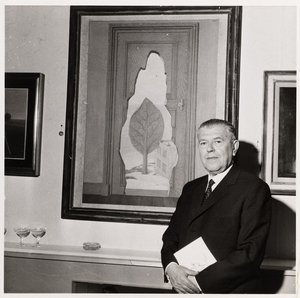
1898 - 1967 , بلجيكا
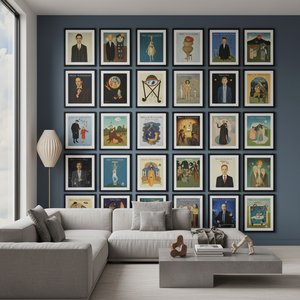
اكتشف 25 تحفة فنية لرينيه ماغريت، رائد السريالية. استكشف قصص لوحاته الخالدة وتقنياته الفريدة وألوانه المميزة. احصل على نسخ عالية الجودة لديكور منزلي فاخر على Most-Famous-Paintings.com.

Explore 10 iconic white paintings by Monet, Whistler & Rothko! Discover the stories behind these serene masterpieces and their impact on art history. Find museum-quality reproductions for your home decor at .
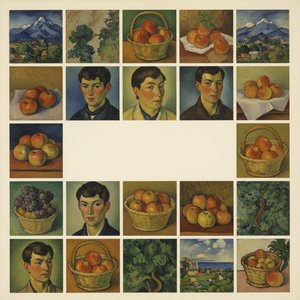
اكتشف 25 تحفة فنية لبول سيزان، رائد الانطباعية وما بعد الانطباعية. استكشف قصص لوحاته الزيتية الشهيرة وألوانه الجريئة وتقنياته الفريدة. احصل على إلهام لديكور منزلك الفاخر مع Most-Famous-Paintings.com.

Explore the rich history of trees in painting! Discover symbolism, Romantic masterpieces by Caspar David Friedrich & beyond. A curated journey for art enthusiasts.

Explore the rich history of trees in painting! Discover symbolism, Romantic masterpieces by Caspar David Friedrich & beyond. A curated journey for art enthusiasts.


ابقَ على اطلاع بأحدث أخبار الفن، والعروض الحصرية، وأفكار الديكور.
أخبرنا عن مشروعك، وسيقدم لك خبراؤنا الفنيون 3 اقتراحات فنية مخصصة لك.
دعنا نختار لك ٣ خيارات مخصصة تماماً - مجاناً!


 Preview
 مشاركة
 مشاركة
 التفاصيل

 تحميل الملف
 قطع مشابهة
 الأشعة السينية
 عرض شرائح

 عرض المزيد







 خيار الزجاج متاح فقط للمقاسات التي تقل عن 110 سم