x


 Preview
 اطلب نسخة مرسومة يدوياً شراء الصورة بدقة عالية
 مشاركة
 التفاصيل
 أضف إلى المفضلة
 تحميل الملف
 قطع مشابهة
 الأشعة السينية
 عرض شرائح
طباعة جيكلي أو كانفاس بجودة المتاحف، مع سرعة في التنفيذ وخيارات متنوعة للتشطيب.





























اختر من بين أحجامنا المُعدّة مسبقًا والتي تتطابق مع النسب الأصلية للعمل الفني.

يمكنك إدخال أبعادك الخاصة لتناسب إطاراً أو مساحة معينة. وإذا لم يتطابق الحجم الذي اخترته مع نسب الصورة الأصلية، فسنقوم إما بقص العمل الفني أو تمديد الصورة باستخدام حافة معكوسة أو بلون مصمت. سيتم إرسال نموذج تجريبي رقمي لاعتمادك قبل بدء الإنتاج.
يرجى ملاحظة أن المعاينة على الشاشة لا تعكس عملية القص أو التمديد الفعلية؛ حيث سيوضح النموذج التجريبي فقط التكوين النهائي بدقة.
وعلى الرغم من توفر أحجام مخصصة، إلا أننا نوصي باختيار أبعاد من القائمة المحددة مسبقاً للحفاظ على النسب الأصلية.
توصيل عالمي إلى خلال أسبوعين بدلاً من المدة القياسية البالغة 4/5 أسابيع. 25 يوليو


Imperfect Painting 2
مقاس النسخة المطبوعة
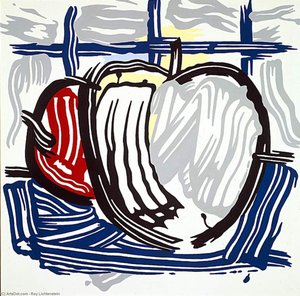
Roy Lichtenstein’s “Imperfect Painting 2,” completed in 1986, isn't merely a canvas splashed with color; it’s an audacious declaration of the artist’s engagement with the visual language of mass media and the very nature of artistic representation. This vibrant abstraction, rendered primarily in acrylic on canvas, embodies the core tenets of Pop Art while simultaneously hinting at a deeper exploration of form, balance, and the inherent imperfections within even the most meticulously constructed compositions. The painting immediately commands attention – not through recognizable imagery, but through its dynamic arrangement of geometric shapes: predominantly triangles and circles, each defined by crisp, clean lines and an almost unsettlingly flat application of color.
The composition itself is deliberately ambiguous, eschewing a traditional focal point in favor of a carefully orchestrated dance between overlapping forms. Large, assertive triangles dominate the central space, their edges often partially obscured by smaller triangular elements scattered throughout the canvas. Interspersed amongst these angular shapes are circles – a subtle counterpoint that introduces an element of softness and visual rhythm. This interplay creates a sense of controlled chaos, mirroring the complexities of modern life as perceived through Lichtenstein’s uniquely critical lens. The color palette is boldly primary: yellows, blues, reds, greens, blacks, and greys collide in a manner both energetic and surprisingly harmonious. The deliberate use of unmixed colors – flat planes of hue rather than blended gradients – evokes the aesthetic of commercial printing, directly referencing the techniques Lichtenstein admired and sought to emulate.
At first glance, “Imperfect Painting 2” might appear deceptively simple. However, a closer examination reveals the meticulous craftsmanship that underpins Lichtenstein’s signature style. The painting is infused with the characteristic ‘Ben-Day dots,’ tiny colored squares meticulously applied to create the illusion of shading and texture – a technique borrowed directly from comic book printing. This deliberate nod to commercial illustration underscores Lichtenstein's fascination with popular culture and his desire to blur the boundaries between “high” art and “low” culture. The effect is both visually arresting and subtly ironic, elevating everyday imagery into the realm of artistic contemplation.
The painting’s flatness – a deliberate rejection of traditional perspective – further reinforces its Pop Art identity. There's no illusion of depth or three-dimensionality; instead, shapes appear to float on the surface of the canvas, creating a sense of immediacy and directness. This flattening effect mirrors the static quality often found in advertising and mass media, reflecting Lichtenstein’s critique of consumerism and the homogenization of visual culture. The deliberate lack of brushstrokes – achieved through a smooth, even application of paint – contributes to this sense of manufactured perfection, mirroring the idealized images prevalent in contemporary society.
The title itself, “Imperfect Painting,” is profoundly significant. It’s not simply a descriptive label; it's an assertion of Lichtenstein’s artistic philosophy – a recognition that even the most carefully constructed works are inherently flawed. This imperfection isn’t a mistake or a failure; rather, it’s an integral part of the creative process, a testament to the artist’s engagement with the material and his willingness to embrace chance and spontaneity. The painting's slightly off-kilter arrangement, the subtle variations in color saturation, and the occasional misalignment of shapes all contribute to this sense of controlled imperfection.
“Imperfect Painting 2” stands as a powerful example of Lichtenstein’s ability to distill complex ideas into visually compelling forms. It's a work that rewards repeated viewing, revealing new layers of meaning with each encounter. More than just an abstract composition, it’s a meditation on the nature of art, the influence of popular culture, and the inherent beauty found within imperfection – a timeless masterpiece that continues to resonate with audiences today.


1923 - 1997 , الولايات المتحدة الأمريكية

دليل شامل لعشاق الفن الراقي! اكتشف كيف تدمج الثقافة الراقية في تصميم منزلك، ونصائح الخبراء لاختيار اللوحات والمنحوتات والإضاءة. أضف لمسة فنية فريدة تعكس ذوقك الرفيع.

Explore the fascinating history of Pop Art, from its rebellious origins to its enduring influence on contemporary artists. Discover key figures like Warhol & Lichtenstein and learn about collecting this iconic movement.
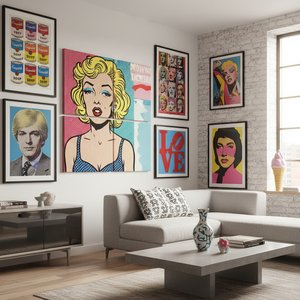
اكتشف ١٠ روائع رسمت تاريخ الفن الشعبي! من سيرت وليختنشتاين، استكشف قصص الفنانين وتقنياتهم. لوحات أيقونية وألوان جريئة تُلهم ديكورك. احصل على إعادة إنتاج أعمال فنية بجودة المتحف على Most-Famous-Paintings.com
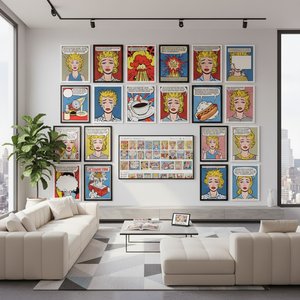
اكتشف 25 تحفة فنية لروي ليختنشتاين، رائد فن البوب. استكشف قصص لوحاته الشهيرة وألوانها الجريئة وتقنياته الفريدة. احصل على إعادة إنتاج عالية الجودة لديكور منزلك الفاخر على Most-Famous-Paintings.

Explore Roy Lichtenstein's revolutionary Pop Art! Discover the story behind Ben-Day dots, iconic works like 'Whaam!', and investment insights for collectors. Expert analysis & high-quality reproductions at Most-Famous-Paintings.


ابقَ على اطلاع بأحدث أخبار الفن، والعروض الحصرية، وأفكار الديكور.
أخبرنا عن مشروعك، وسيقدم لك خبراؤنا الفنيون 3 اقتراحات فنية مخصصة لك.
دعنا نختار لك ٣ خيارات مخصصة تماماً - مجاناً!


 مشاركة


 عرض المزيد







 خيار الزجاج متاح فقط للمقاسات التي تقل عن 110 سم