x


 اطلب نسخة مرسومة يدوياً شراء الصورة بدقة عالية
 مشاركة
 التفاصيل
 أضف إلى المفضلة
 تحميل الملف
 قطع مشابهة
 الأشعة السينية
 عرض شرائح
طباعة جيكلي أو كانفاس بجودة المتاحف، مع سرعة في التنفيذ وخيارات متنوعة للتشطيب.





























اختر من بين أحجامنا المُعدّة مسبقًا والتي تتطابق مع النسب الأصلية للعمل الفني.

يمكنك إدخال أبعادك الخاصة لتناسب إطاراً أو مساحة معينة. وإذا لم يتطابق الحجم الذي اخترته مع نسب الصورة الأصلية، فسنقوم إما بقص العمل الفني أو تمديد الصورة باستخدام حافة معكوسة أو بلون مصمت. سيتم إرسال نموذج تجريبي رقمي لاعتمادك قبل بدء الإنتاج.
يرجى ملاحظة أن المعاينة على الشاشة لا تعكس عملية القص أو التمديد الفعلية؛ حيث سيوضح النموذج التجريبي فقط التكوين النهائي بدقة.
وعلى الرغم من توفر أحجام مخصصة، إلا أننا نوصي باختيار أبعاد من القائمة المحددة مسبقاً للحفاظ على النسب الأصلية.
توصيل عالمي إلى خلال أسبوعين بدلاً من المدة القياسية البالغة 4/5 أسابيع. 23 يوليو


Judith's Return to Bethulia
مقاس النسخة المطبوعة
Sandro Botticelli's Judith’s Return to Bethulia , painted around 1472 and currently residing within the hallowed halls of the Uffizi Gallery in Florence, is more than just a depiction of a biblical narrative; it’s a potent distillation of Renaissance ideals – courage, faith, and the enduring strength of women. This small-format tempera on panel offers an intimate glimpse into a pivotal moment: Judith's triumphant return to Bethulia bearing the severed head of Holofernes, the Assyrian general she had so cleverly deceived. Botticelli’s masterful handling of light and shadow, coupled with his signature graceful lines, elevates this scene beyond mere illustration, transforming it into a compelling meditation on victory and resilience.
The painting immediately draws the eye to Judith herself, rendered as a figure of remarkable composure amidst apparent chaos. Her face, subtly reminiscent of the central figure in Botticelli’s earlier *Fortitude* (1470), hints at a shared psychological depth – a quiet determination beneath an outward serenity. She carries the head of Holofernes within a simple sack, a stark symbol of her power and the subjugation of tyranny. Beside her stands Susanna, equally dignified, offering support and perhaps a reflection on their shared victory against adversity. The forest setting, rendered with atmospheric perspective, adds to the sense of drama and isolation, emphasizing Judith’s journey from danger to triumph.
Botticelli’s early style is evident in his use of tempera on panel – a technique favored for its luminous colors and ability to retain detail. The palette is rich yet restrained, dominated by earthy tones—ochres, browns, and deep reds—contrasting sharply with the pale flesh of the women. Notice how Botticelli employs *sfumato*, a subtle blurring of lines and edges, particularly around Judith’s face, creating an ethereal quality that softens her features while simultaneously emphasizing her strength. The meticulous rendering of fabric – the sack, Susanna's cloak – demonstrates Botticelli’s dedication to anatomical accuracy and his keen observation of the natural world.
Interestingly, the painting reveals influences from artists like Antonio del Pollaiolo and Mantegna, both known for their dramatic compositions and expressive figures. Botticelli seems to have absorbed elements of their style while maintaining a distinctly personal vision. The dynamic pose of Judith, holding aloft the head of Holofernes, echoes the heroic gestures found in earlier Renaissance art, but Botticelli imbues it with a uniquely human vulnerability.
The story of Judith is steeped in symbolism. Judith herself represents Jewish courage and faith in the face of overwhelming odds. Her deception of Holofernes highlights the power of intelligence and strategic thinking as weapons against brute force. The sack containing the head symbolizes not just victory, but also a warning to all who would threaten the Israelites. It’s a potent reminder that even the most formidable enemies can be overcome through cunning and divine assistance.
Beyond the immediate narrative, *Judith’s Return to Bethulia* speaks to broader Renaissance themes of virtue, honor, and the role of women in society. In an era where female figures were often relegated to passive roles, Botticelli presents Judith as a proactive agent of change – a warrior queen who secures her people's freedom through her own actions. The painting’s enduring appeal lies in its ability to resonate with viewers across centuries, offering a timeless celebration of female strength and resilience.
Botticelli’s *Judith’s Return to Bethulia* is a cornerstone of the Italian Renaissance. At Most-Famous-Paintings.com , we are proud to offer meticulously crafted, hand-painted oil painting reproductions that capture the essence and beauty of this iconic masterpiece. Our skilled artisans utilize traditional techniques and archival-quality materials to create faithful representations that will grace your home or office with Botticelli’s genius. Whether you're an art enthusiast, a collector, or simply seeking to add a touch of Renaissance elegance to your space, our reproductions provide an accessible and authentic way to experience the power and artistry of this remarkable painting.

في قلب فلورنسا، تلك المدينة التي شهدت ولادة عصر النهضة، بزغ نجم ساندرو بوتيتشيلي، الفنان الذي أسر العالم بجماله الأثيري ورؤيته الشعرية. وُلد أليساندرو دي ماريانو فيليببي عام 1445، ليصبح لاحقًا "بوتيتشيلي" نسبةً إلى شقيقه الأصغر، وعاش حياة متجذرة في نسيج المدينة الفني والاجتماعي. لم يبتعد بوتيتشيلي عن حي أوغنيسانتي الذي ولد فيه، مما يعكس ارتباطه الوثيق بجذور عائلته وبيئته الإبداعية. نشأ الفنان في كنف والديه اللذين كانا يعملان في مجال الصباغة والزخرفة، مما أتاح له منذ صغره فرصة التعرف على فنون الحرف اليدوية والتفاصيل الدقيقة التي ستشكل لاحقًا أساس أسلوبه الفني.
تلقى بوتيتشيلي تعليمه الأول في ورشة عمل فنان الذهب ماسو فينغيريرا، قبل أن ينتقل إلى ورشة عمل فرا فيليبّو ليبي، أحد أبرز رسامي فلورنسا. هذه الفترة كانت حاسمة في تشكيل مسيرته الفنية، حيث اكتسب بوتيتشيلي مهارات تقنية أساسية وتعرض لأعمال فنانين بارزين. لم يقتصر تأثير ليبي على الجانب التقني فحسب، بل امتد ليشمل فهم بوتيتشيلي العميق للجماليات الفلورنسية، مما أتاح له تطوير أسلوبه الفريد الذي يميزه عن غيره.
يتميز أسلوب بوتيتشيلي بالخطوط المتدفقة والمنحنيات الرشيقة، واستخدامه الدقيق للألوان. لم يكن بوتيتشيلي مجرد فنان، بل كان شاعرًا يترجم الأحلام والأساطير إلى لوحات آسرة. جمع بين تقاليد العصر القوطي المتأخر وروح عصر النهضة الناشئة، مستوحيًا إلهامه من أعمال فنانين عظماء مثل فرا أنجليكو وباولو أوتشيللو. تجسد شخصياته في لوحاته هالة من الهدوء والجمال الأثيري، وغالبًا ما تصور بأبعاد متطاولة ووقفة رشيقة تعكس السكينة والتأمل. لم يقتصر بوتيتشيلي على تصوير المشاهد الدينية التقليدية، بل انغمس في عالم الأساطير الكلاسيكية، مستوحياً موضوعاته من قصص الحب والجمال الروحي التي شكلت جوهر الفكر الإنساني في عصر النهضة.
استخدم بوتيتشيلي تقنيات مبتكرة في عصره، مثل طريقة الرسم بالقلم الفضي تحت الطلاء، مما أضفى على أعماله إشراقًا ووضوحًا. كما استخدم طلاء التيمبرا الذي سمح له بتحقيق دقة فائقة في التفاصيل وألوان زاهية. في سنواته الأخيرة، جرب استخدام الألوان الزيتية التي وسعت نطاق تعبيره الفني.
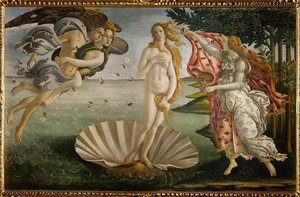
تتربع لوحة "ولادة فينوس" على عرش أعمال بوتيتشيلي، فهي تجسيد حي للجمال الإنساني والانسجام. تصويره لإلهة الحب والجمال وهي تخرج من صدفة بحرية، يمثل قمة الفن في عصر النهضة. وبالمثل، فإن لوحة "ربيع" هي تحفة فنية معقدة وغامضة تحتفي بقدوم الربيع والحب، وتضم شخصيات رمزية مستوحاة من الأساطير الكلاسيكية. هذه الأعمال تعكس إتقان بوتيتشيلي للتركيب اللوني والقدرة على خلق عمق جوي وإبراز المشاعر الإنسانية.
شهدت مسيرة بوتيتشيلي الفنية مراحل متميزة، ففي سبعينيات القرن الخامس عشر ركز على تصوير الموضوعات الدينية، وطور مهاراته التقنية. أما الثمانينيات فقد كانت ذروة إبداعه، حيث أنتج أشهر أعماله الأسطورية. ومع ذلك، شهدت التسعينيات من القرن الخامس عشر تحولاً في أسلوبه، تأثرًا بوعظات جييرلامو سافونارولا المتشددة التي دعت إلى التوبة والتخلص من مظاهر البذخ والفساد.
بعد وفاة بوتيتشيلي عام 1510، تضاءل نجمه تدريجيًا، وظلت أعماله مهمشة لعدة قرون. ولكن في القرن التاسع عشر، شهدت أعماله نهضة فنية بفضل حركة ما قبل رافائيلية التي أعادت اكتشاف قيمته الفنية وأهميته التاريخية. أدرك الفنانون من هذه الحركة الجمال الفريد في لوحات بوتيتشيلي، وقدروا خطوطه الرشيقة وألوانه الزاهية وحساسيته الشعرية.
اليوم، يحتل ساندرو بوتيتشيلي مكانة مرموقة بين أعظم فناني عصر النهضة. تُعرض أعماله في أهم المتاحف حول العالم، وتستقطب عشاق الفن من جميع أنحاء العالم. يظل بوتيتشيلي رمزًا للإنجاز الفني الفلورنسي ودليلًا على قوة الإنسانية في إلهام الجمال والإبداع.
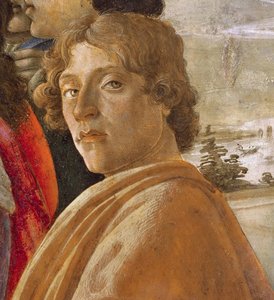
1445 - 1510 , إيطاليا
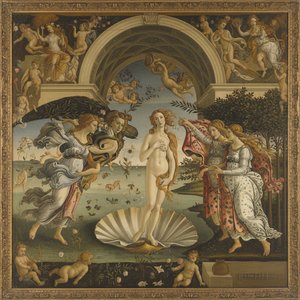
اكتشف أروع 25 لوحة لساندرو بوتيتشيلي، فنان عصر النهضة الإيطالي. استمتع بقصص التحف الفنية وألوان الباستيل الخالدة. طباعة لوحات عالية الجودة لديكور منزلك على Most-Famous-Paintings.com
اكتشف روائع عصر النهضة المبكرة! استكشف 10 تحف فنية خالدة مع ليوناردو و مايكل أنجلو. قصص الفنانين، تقنيات الرسم، وأكثر. احصل على لوحات زيتية عالية الجودة من Most-Famous-Paintings.com وابدأ رحلتك الفنية الآن!
اكتشف أروع 25 لوحة فنية في Alte Pinakothek ميونيخ! رحلة آسرة عبر عصر النهضة والباروك مع روائع ليوناردو ورافائيل وروبنز. استلهم لتصميم منزلك واقتنِ إعادة إنتاج عالية الجودة على Most-Famous-Paintings.com.

اكتشف أروع 25 تحفة فنية في متحف المتروبوليتان، نيويورك! قصص ليوناردو دا فينشي وفان جوخ وبيكاسو وأكثر. لوحات كلاسيكية ومعاصرة لإلهام ديكور منزلك. تسوق إعادة إنتاج اللوحات عالية الجودة على Most-Famous-Paintings.com.
اكتشف أروع 25 لوحة فنية في معرض ناسيونال غاليري بواشنطن! رحلة عبر روائع سيزان، ماتيس، وبيكاسو. قصص ملهمة وتقنيات فنية فريدة. احصل على نسخ عالية الجودة لديكور منزلك الفاخر على Most-Famous-Paintings.com


ابقَ على اطلاع بأحدث أخبار الفن، والعروض الحصرية، وأفكار الديكور.
أخبرنا عن مشروعك، وسيقدم لك خبراؤنا الفنيون 3 اقتراحات فنية مخصصة لك.
دعنا نختار لك ٣ خيارات مخصصة تماماً - مجاناً!


 مشاركة


 عرض المزيد







 خيار الزجاج متاح فقط للمقاسات التي تقل عن 110 سم