
بِع أعمالك الفنية
قائمة الأمنيات عربة التسوق Cart
x
معاينة الحجم الحقيقيمعاينة الحجم الحقيقي معاينة بالواقع المعززمعاينة بالواقع المعزز اشترِ نسخة مطبوعة اشترِ نسخة مطبوعةاشترِ لوحة مرسومة يدويًا اشترِ لوحة مرسومة يدويًا مشاركةمشاركة
التفاصيلالتفاصيل أضف إلى المفضلة أضف إلى المفضلة تحميل الملفتحميل الملف قطع مشابهةقطع مشابهة الأشعة السينيةالأشعة السينية عرض شرائحعرض شرائح

Purgatory

Explore Sandro Botticelli's preparatory drawing for 'Purgatory,' showcasing meticulous linework and shading—a masterful study reflecting the artist’s signature style and Dante Alighieri’s Divine Comedy.

اكتشفو Sandro Botticelli، رائد عصر النهضة الإيطالية! اشتهر بلوحاته الخالدة مثل 'ولادة فينوس' و'الربيع'، بأسلوبه الأنيق ورؤيته الفنية التي تجسد الجمال والروحانية.

احصل على صورة رقمية عالية الدقة ومعزّنة، بجودة تفوق بكثير المعاينة عبر الإنترنت.

يتم إعداد كل ملف بعناية فائقة من قبل متخصصينا الداخليين باستخدام أدوات متقدمة ولمسات يدوية خبيرة. نضمن أن تتمتع كل صورة بوضوح استثنائي، ودقة لونية متناهية، وتفاصيل دقيقة.

يتم تسليم الملف النهائي عبر البريد الإلكتروني في غضون 72 ساعة، وهو مُحسَّن للاستخدام الفوري في المجالات المهنية والتحريرية ومجالات الطباعة. هذه هي ذات الجودة التي تعتمد عليها كبرى استوديوهات التصميم ودور النشر والمعارض الفنية المرموقة.

صورة رقمية

حمّل ملفاً عالي الدقة للعرض الشخصي، والطباعة، والمشاريع الإبداعية. (اشترِ نسخة مطبوعة اشترِ نسخة مطبوعةاشترِ لوحة مرسومة يدويًا اشترِ لوحة مرسومة يدويًا)

إجمالي السعر

$ 24,90

مزايا مُضمّنة في كل طلب صورة رقمية

تسليم رقمي احترافي، مضمون

عندما تختار Most-Famous-Paintings.com، فأنت لا تحصل على مجرد صورة فحسب، بل ستحصل على عمل فني رقمي مُحسّن باحترافية، صُمم بدقة متناهية ومصحوب بضمان الرضا. إليك كل ما يتضمنه طلبك تلقائياً:

shipping_icon
تسليم سريع عبر البريد الإلكتروني

ستصلك ملفات صورك الرقمية عالية الدقة عبر البريد الإلكتروني في غضون 72 ساعة من إتمام الطلب - لتكون جاهزة للاستخدام الفوري.

canvas_icon
ملف رقمي مُحسّن بالذكاء الاصطناعي

يتم تحسين عملك الفني باحترافية باستخدام أدوات الذكاء الاصطناعي المتقدمة والتحرير اليدوي، لضمان أقصى درجات التفاصيل والوضوح ودقة الألوان.

insurance_icon
إعادة إرسال مجانية مدى الحياة

هل حذفت ملفك أو فقدته عن طريق الخطأ؟ لا تقلق - سنعيد إرساله إليك في أي وقت، ومجاناً.

tax_icon
بدون رسوم استيراد - على الإطلاق

استمتع بأعمالك الفنية فوراً دون أي رسوم جمركية أو ضرائب أو مصاريف شحن - فالتحميلات الرقمية دائماً ما تكون معفاة من الضرائب.

color_icon
ضمان دقة الألوان

نحن نضمن أن تعكس صورتك الرقمية الألوان الأصلية بأقصى قدر ممكن من الدقة، وذلك باستخدام أدوات احترافية وتقنيات إدارة الألوان.

return_icon
ضمان الرضا لمدة 60 يومًا

إذا لم تكن راضياً عن صورتك الرقمية، فسنقوم بتعديلها أو استرداد 100% من قيمتها خلال 60 يوماً - دون أي أسئلة.

guarantee_icon
ضمان استعادة الأموال بنسبة % 100

لم تكن راضياً؟ احصل على استرداد كامل المبلغ خلال 60 يومًا من استلام ملفك الرقمي - دون أي أسئلة.

discount_icon
خصومات الطلبات الكبيرة

اشتري 3 صور، ووفر 10% - اشتري 5، ووفر 15% - اشتري +10، ووفر 20%. مثالية للمشاريع الإبداعية، والمعارض، والوكالات.

معلومات سريعة

  • Artistic style: Linear Style
  • Movement: Renaissance
  • Medium: Pen and ink on paper
  • Notable elements or techniques: Detailed linework, hatching, cross-hatching
  • Subject or theme: Divine Comedy
  • Influences: Dante Alighieri

اختبار الفنون

يوجد إجابة صحيحة واحدة فقط لكل سؤال.

سؤال 1:
What is the primary subject matter depicted in Botticelli’s preparatory drawing?
سؤال 2:
Botticelli employed what artistic technique to create depth and form in his drawing?
سؤال 3:
The monochromatic style of the drawing contributes to what overall impression?
سؤال 4:
Botticelli’s drawing serves as a preparatory study for what larger artistic project?
سؤال 5:
What is a key symbolic element represented in the drawing’s composition?

وصف المقتنى الفني

Botticelli's Vision of Purgatory: A Detailed Study

The preparatory drawing for Botticelli’s depiction of Purgatory stands as a remarkable testament to the artist’s meticulous observation and masterful execution—a window into the creative process behind one of Renaissance art’s most iconic images. Executed in pen and ink on paper, this study transcends mere technical demonstration; it embodies Botticelli's signature style, infused with humanist ideals and steeped in theological contemplation. It offers invaluable insight into how he envisioned Dante Alighieri’s harrowing journey through the afterlife, capturing not just the visual elements but also the profound spiritual atmosphere of purgatorial torment.

Composition and Spatial Arrangement

Botticelli’s compositional strategy prioritizes conveying a sense of hierarchy and movement within the confines of a relatively small surface area. The drawing depicts Purgatory as a layered landscape—a tiered structure ascending towards heaven—populated by figures engaged in various stages of purification. At the uppermost level, a group of saints observes the scene below, symbolizing divine judgment and guiding souls toward salvation. Central to the composition is a monumental edifice adorned with intricate architectural details, representing purgatorial purgatories where penitents confront their sins and strive for redemption. Below this dominant structure sprawl undulating plains populated by tormented souls—a chaotic yet purposeful arrangement designed to communicate the arduous process of spiritual cleansing. The artist skillfully utilizes perspective to create depth and convey the overwhelming scale of purgatory’s expanse.

Technique: Linearity and Shading – Botticelli's Signature Style

Botticelli’s technique is characterized by an unwavering commitment to linear precision—a hallmark of Florentine disegno, or drawing—combined with subtle shading to achieve remarkable realism. The artist employs hatching and cross-hatching extensively to render form and volume, capturing the textures of drapery, stone, and flesh with astonishing accuracy. Fine lines delineate anatomical features and clothing folds, demonstrating Botticelli’s profound understanding of human anatomy gleaned from his studies at Vesuvian Medical School. Furthermore, he skillfully manipulates tonal variations—ranging from pale grey to darker shades—to simulate light and shadow, creating a palpable sense of atmosphere and conveying the emotional intensity of the scene. The meticulous attention to detail reflects Botticelli's belief in disegno as the foundation for painting, ensuring that any subsequent fresco would possess an unparalleled level of expressive power.

Historical Context: Dante’s Inferno and Renaissance Theology

Botticelli’s drawing emerged from a fervent intellectual climate dominated by Dante Alighieri’s *Inferno*, published in 1308—a seminal work of medieval literature that profoundly influenced artistic sensibilities. Dante's depiction of Hell captivated the imagination of artists and intellectuals alike, prompting them to explore themes of morality, sin, and divine retribution. Botticelli’s commission to depict Purgatory for Lorenzo de Medici—the Magnificent—underscored the importance of humanist ideals within Florentine culture. The Renaissance preoccupation with classical antiquity fueled a renewed interest in human anatomy and proportion, informing Botticelli's artistic endeavors. Moreover, theological considerations shaped his interpretation of purgatorial torment—representing not merely physical suffering but also spiritual purification through repentance and contrition.

Symbolism: Flames, Architecture, and Divine Guidance

The drawing is replete with symbolic imagery reflecting Dante’s theological framework. The dominant presence of flames symbolizes the purifying fire that consumes sins and expels impurities from souls destined for heaven. These flames are depicted as swirling vortices—a visual metaphor for the turbulent process of spiritual transformation. Architectural elements—particularly the edifice at the center—represent purgatorial purgatories governed by divine justice, where penitents confront their transgressions and strive to attain redemption. The saints observing the scene embody divine compassion and guidance—representing God’s benevolent intervention in humanity's struggle for salvation. Botticelli’s masterful use of symbolism elevates his drawing beyond mere visual representation, transforming it into a profound meditation on faith, morality, and the ultimate destiny of humankind.

Emotional Impact: A Momentary Glimpse Into Dante’s Journey

Ultimately, Botticelli’s preparatory study succeeds in capturing the emotional core of Dante’s *Divine Comedy*. The drawing conveys a palpable sense of solemnity—reflecting the gravity of purgatorial torment and the seriousness of spiritual contemplation. Yet, amidst the depiction of suffering, there exists an underlying current of hope—expressed through the luminous saints and the upward trajectory of the architectural structure—affirming the belief in divine mercy and the possibility of eternal salvation. This drawing serves as a poignant reminder that Botticelli’s artistic vision transcended mere technical skill; it embodied a deep engagement with humanist ideals and theological convictions—resulting in an enduring masterpiece that continues to inspire awe and contemplation centuries later.

السيرة الذاتية للفنان

ساندرو بوتيتشيلي: شاعر الجمال في عصر النهضة

في قلب فلورنسا، تلك المدينة التي شهدت ولادة عصر النهضة، بزغ نجم ساندرو بوتيتشيلي، الفنان الذي أسر العالم بجماله الأثيري ورؤيته الشعرية. وُلد أليساندرو دي ماريانو فيليببي عام 1445، ليصبح لاحقًا "بوتيتشيلي" نسبةً إلى شقيقه الأصغر، وعاش حياة متجذرة في نسيج المدينة الفني والاجتماعي. لم يبتعد بوتيتشيلي عن حي أوغنيسانتي الذي ولد فيه، مما يعكس ارتباطه الوثيق بجذور عائلته وبيئته الإبداعية. نشأ الفنان في كنف والديه اللذين كانا يعملان في مجال الصباغة والزخرفة، مما أتاح له منذ صغره فرصة التعرف على فنون الحرف اليدوية والتفاصيل الدقيقة التي ستشكل لاحقًا أساس أسلوبه الفني.

تلقى بوتيتشيلي تعليمه الأول في ورشة عمل فنان الذهب ماسو فينغيريرا، قبل أن ينتقل إلى ورشة عمل فرا فيليبّو ليبي، أحد أبرز رسامي فلورنسا. هذه الفترة كانت حاسمة في تشكيل مسيرته الفنية، حيث اكتسب بوتيتشيلي مهارات تقنية أساسية وتعرض لأعمال فنانين بارزين. لم يقتصر تأثير ليبي على الجانب التقني فحسب، بل امتد ليشمل فهم بوتيتشيلي العميق للجماليات الفلورنسية، مما أتاح له تطوير أسلوبه الفريد الذي يميزه عن غيره.

أسلوب فني فريد: بين الخطوط المتدفقة والأساطير الكلاسيكية

يتميز أسلوب بوتيتشيلي بالخطوط المتدفقة والمنحنيات الرشيقة، واستخدامه الدقيق للألوان. لم يكن بوتيتشيلي مجرد فنان، بل كان شاعرًا يترجم الأحلام والأساطير إلى لوحات آسرة. جمع بين تقاليد العصر القوطي المتأخر وروح عصر النهضة الناشئة، مستوحيًا إلهامه من أعمال فنانين عظماء مثل فرا أنجليكو وباولو أوتشيللو. تجسد شخصياته في لوحاته هالة من الهدوء والجمال الأثيري، وغالبًا ما تصور بأبعاد متطاولة ووقفة رشيقة تعكس السكينة والتأمل. لم يقتصر بوتيتشيلي على تصوير المشاهد الدينية التقليدية، بل انغمس في عالم الأساطير الكلاسيكية، مستوحياً موضوعاته من قصص الحب والجمال الروحي التي شكلت جوهر الفكر الإنساني في عصر النهضة.

استخدم بوتيتشيلي تقنيات مبتكرة في عصره، مثل طريقة الرسم بالقلم الفضي تحت الطلاء، مما أضفى على أعماله إشراقًا ووضوحًا. كما استخدم طلاء التيمبرا الذي سمح له بتحقيق دقة فائقة في التفاصيل وألوان زاهية. في سنواته الأخيرة، جرب استخدام الألوان الزيتية التي وسعت نطاق تعبيره الفني.

أعمال خالدة: من "ولادة فينوس" إلى "ربيع"

تتربع لوحة "ولادة فينوس" على عرش أعمال بوتيتشيلي، فهي تجسيد حي للجمال الإنساني والانسجام. تصويره لإلهة الحب والجمال وهي تخرج من صدفة بحرية، يمثل قمة الفن في عصر النهضة. وبالمثل، فإن لوحة "ربيع" هي تحفة فنية معقدة وغامضة تحتفي بقدوم الربيع والحب، وتضم شخصيات رمزية مستوحاة من الأساطير الكلاسيكية. هذه الأعمال تعكس إتقان بوتيتشيلي للتركيب اللوني والقدرة على خلق عمق جوي وإبراز المشاعر الإنسانية.

شهدت مسيرة بوتيتشيلي الفنية مراحل متميزة، ففي سبعينيات القرن الخامس عشر ركز على تصوير الموضوعات الدينية، وطور مهاراته التقنية. أما الثمانينيات فقد كانت ذروة إبداعه، حيث أنتج أشهر أعماله الأسطورية. ومع ذلك، شهدت التسعينيات من القرن الخامس عشر تحولاً في أسلوبه، تأثرًا بوعظات جييرلامو سافونارولا المتشددة التي دعت إلى التوبة والتخلص من مظاهر البذخ والفساد.

إرث فني: من النسيان إلى إعادة الاكتشاف

بعد وفاة بوتيتشيلي عام 1510، تضاءل نجمه تدريجيًا، وظلت أعماله مهمشة لعدة قرون. ولكن في القرن التاسع عشر، شهدت أعماله نهضة فنية بفضل حركة ما قبل رافائيلية التي أعادت اكتشاف قيمته الفنية وأهميته التاريخية. أدرك الفنانون من هذه الحركة الجمال الفريد في لوحات بوتيتشيلي، وقدروا خطوطه الرشيقة وألوانه الزاهية وحساسيته الشعرية.

اليوم، يحتل ساندرو بوتيتشيلي مكانة مرموقة بين أعظم فناني عصر النهضة. تُعرض أعماله في أهم المتاحف حول العالم، وتستقطب عشاق الفن من جميع أنحاء العالم. يظل بوتيتشيلي رمزًا للإنجاز الفني الفلورنسي ودليلًا على قوة الإنسانية في إلهام الجمال والإبداع.
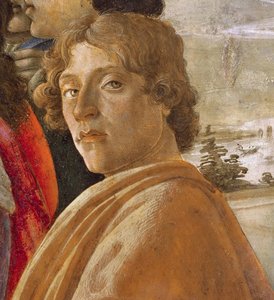
أهم الأعمال

  • ولادة فينوس (حوالي 1486): تجسيد حي للجمال الإنساني.
  • ربيع (حوالي 1482): لوحة أسطورية تحتفي بقدوم الربيع والحب.
  • تجلّي السحرة (1475-1476): يظهر إتقان بوتيتشيلي للتركيب والمنظور.
  • الولادة المقدسة (1501): تعكس تحولًا نحو الموضوعات الروحية في سنواته الأخيرة.
ساندرو بوتيتشيلي

ساندرو بوتيتشيلي

1445 - 1510 , إيطاليا

لمحة سريعة

  • Artistic Movement Or Style: الرينيسانس المبكر
  • Artists Who Influenced This Artist: ['فرا فيليبو ليبي']
  • Date Of Birth: مائة وأربعون وخمس وعشرون
  • Date Of Death: خمس عشرة ومائة وعشرون
  • Full Name: Alessandro di Mariano Filipepi
  • Nationality: إيطالي
  • Notable Artworks: ['فينوس ولُوث"، "الربيع"، "تمجيد المماليك']
  • Place Of Birth: فلورنسا، إيطاليا

