


x

احصل على صورة رقمية عالية الدقة ومعزّنة، بجودة تفوق بكثير المعاينة عبر الإنترنت.
يتم إعداد كل ملف بعناية فائقة من قبل متخصصينا الداخليين باستخدام أدوات متقدمة ولمسات يدوية خبيرة. نضمن أن تتمتع كل صورة بوضوح استثنائي، ودقة لونية متناهية، وتفاصيل دقيقة.
يتم تسليم الملف النهائي عبر البريد الإلكتروني في غضون 72 ساعة، وهو مُحسَّن للاستخدام الفوري في المجالات المهنية والتحريرية ومجالات الطباعة. هذه هي ذات الجودة التي تعتمد عليها كبرى استوديوهات التصميم ودور النشر والمعارض الفنية المرموقة.
حمّل ملفاً عالي الدقة للعرض الشخصي، والطباعة، والمشاريع الإبداعية. ( اشترِ نسخة مطبوعة اشترِ لوحة مرسومة يدويًا)
عندما تختار Most-Famous-Paintings.com، فأنت لا تحصل على مجرد صورة فحسب، بل ستحصل على عمل فني رقمي مُحسّن باحترافية، صُمم بدقة متناهية ومصحوب بضمان الرضا. إليك كل ما يتضمنه طلبك تلقائياً:

ستصلك ملفات صورك الرقمية عالية الدقة عبر البريد الإلكتروني في غضون 72 ساعة من إتمام الطلب - لتكون جاهزة للاستخدام الفوري.

يتم تحسين عملك الفني باحترافية باستخدام أدوات الذكاء الاصطناعي المتقدمة والتحرير اليدوي، لضمان أقصى درجات التفاصيل والوضوح ودقة الألوان.

هل حذفت ملفك أو فقدته عن طريق الخطأ؟ لا تقلق - سنعيد إرساله إليك في أي وقت، ومجاناً.

استمتع بأعمالك الفنية فوراً دون أي رسوم جمركية أو ضرائب أو مصاريف شحن - فالتحميلات الرقمية دائماً ما تكون معفاة من الضرائب.

نحن نضمن أن تعكس صورتك الرقمية الألوان الأصلية بأقصى قدر ممكن من الدقة، وذلك باستخدام أدوات احترافية وتقنيات إدارة الألوان.

إذا لم تكن راضياً عن صورتك الرقمية، فسنقوم بتعديلها أو استرداد 100% من قيمتها خلال 60 يوماً - دون أي أسئلة.

لم تكن راضياً؟ احصل على استرداد كامل المبلغ خلال 60 يومًا من استلام ملفك الرقمي - دون أي أسئلة.

اشتري 3 صور، ووفر 10% - اشتري 5، ووفر 15% - اشتري +10، ووفر 20%. مثالية للمشاريع الإبداعية، والمعارض، والوكالات.
Sandro Botticelli's “Untitled (2854),” a captivating depiction of figures huddled before an arched building, offers a glimpse into the vibrant social and artistic life of Renaissance Florence. Dating from around 1490 – a period marked by both burgeoning optimism and underlying political tension – this painting transcends mere representation; it’s a tableau brimming with narrative potential and imbued with a quiet, contemplative atmosphere. The scene unfolds beneath a sky hinting at impending rain, an element that immediately establishes a mood of intimacy and shared experience. The figures, dressed in clothing reminiscent of the late 15th century – a blend of practicality and subtle ornamentation – suggest a gathering of friends, perhaps merchants or members of a local guild, engaged in conversation and respite from the bustling city.
Botticelli’s masterful technique is immediately apparent. He employs a delicate *tempera* on wood panel, a medium favored for its luminosity and ability to capture subtle details. Notice how he renders the folds of fabric with an almost sculptural quality – each crease and pleat meticulously defined yet imbued with a sense of movement. The figures themselves are portrayed with a graceful elegance characteristic of Botticelli’s style, their poses relaxed and naturalistic, avoiding the rigid formality often found in earlier Renaissance works. The artist's use of color is restrained but effective; muted earth tones dominate, punctuated by the brighter hues of the umbrellas scattered throughout the scene – splashes of red, blue, and yellow that draw the eye and add a touch of visual interest.
The setting itself—a building with prominent arches—is significant. Such architectural elements were common in Florentine civic buildings and churches, suggesting a public space or perhaps a gathering place for a specific community. The presence of the umbrellas isn’t merely decorative; it speaks to the unpredictable nature of Florentine weather – a recurring theme throughout Botticelli's work, often used to symbolize transience and the fragility of life. Furthermore, the clothing worn by the figures offers clues about their social standing and profession. The variety in attire hints at a diverse group, reflecting the complex social fabric of Renaissance Florence.
Botticelli’s artistic output during this period reflects the broader cultural shifts occurring in Italy. The early Renaissance was characterized by a renewed interest in classical antiquity, but also by a growing sense of individualism and secularism. His mythological paintings, such as “The Birth of Venus” and “Primavera,” demonstrate this fascination with classical themes while simultaneously exploring human emotions and experiences. "Untitled (2854)" can be viewed within this context – it’s not simply a portrait of a group of people; it's an exploration of social interaction, community, and the fleeting beauty of everyday life.
Despite its seemingly simple composition, “Untitled (2854)” possesses a remarkable emotional depth. The figures’ engaged expressions – smiles, thoughtful gazes, gestures of conversation – invite us to imagine their stories and connect with them on a human level. There's a sense of warmth and camaraderie in the scene, suggesting a shared moment of connection amidst the uncertainties of life. The muted palette and soft lighting contribute to this feeling of intimacy, creating an atmosphere that is both serene and evocative.
Botticelli’s ability to capture such nuanced emotions through his art is what makes “Untitled (2854)” so compelling. It's a painting that invites contemplation and offers a glimpse into the lives of ordinary people in Renaissance Florence – a world of beauty, intrigue, and profound human experience. A reproduction of this work would bring a touch of timeless elegance and quiet sophistication to any interior space, serving as a constant reminder of the enduring power of art to capture the essence of humanity.
As with many works by Botticelli, precise details regarding the dimensions and original materials used in “Untitled (2854)” remain somewhat elusive. Most-Famous-Paintings’s meticulous hand-painted reproductions strive to faithfully recreate the painting's delicate *tempera* technique and subtle color palette. We utilize archival-quality pigments and canvas to ensure that our reproductions possess a remarkable level of detail and longevity, mirroring the original artwork as closely as possible.
The choice of canvas size is carefully considered to maintain the proportions and visual impact of the original painting. Our skilled artisans pay close attention to Botticelli’s characteristic brushstrokes and layering techniques, ensuring that each reproduction captures the artist's unique style and artistic vision. Whether you are a seasoned art collector or simply seeking a beautiful piece of artwork for your home, Most-Famous-Paintings’s hand-painted reproductions offer an unparalleled opportunity to own a stunning representation of this iconic Renaissance masterpiece.

في قلب فلورنسا، تلك المدينة التي شهدت ولادة عصر النهضة، بزغ نجم ساندرو بوتيتشيلي، الفنان الذي أسر العالم بجماله الأثيري ورؤيته الشعرية. وُلد أليساندرو دي ماريانو فيليببي عام 1445، ليصبح لاحقًا "بوتيتشيلي" نسبةً إلى شقيقه الأصغر، وعاش حياة متجذرة في نسيج المدينة الفني والاجتماعي. لم يبتعد بوتيتشيلي عن حي أوغنيسانتي الذي ولد فيه، مما يعكس ارتباطه الوثيق بجذور عائلته وبيئته الإبداعية. نشأ الفنان في كنف والديه اللذين كانا يعملان في مجال الصباغة والزخرفة، مما أتاح له منذ صغره فرصة التعرف على فنون الحرف اليدوية والتفاصيل الدقيقة التي ستشكل لاحقًا أساس أسلوبه الفني.
تلقى بوتيتشيلي تعليمه الأول في ورشة عمل فنان الذهب ماسو فينغيريرا، قبل أن ينتقل إلى ورشة عمل فرا فيليبّو ليبي، أحد أبرز رسامي فلورنسا. هذه الفترة كانت حاسمة في تشكيل مسيرته الفنية، حيث اكتسب بوتيتشيلي مهارات تقنية أساسية وتعرض لأعمال فنانين بارزين. لم يقتصر تأثير ليبي على الجانب التقني فحسب، بل امتد ليشمل فهم بوتيتشيلي العميق للجماليات الفلورنسية، مما أتاح له تطوير أسلوبه الفريد الذي يميزه عن غيره.
يتميز أسلوب بوتيتشيلي بالخطوط المتدفقة والمنحنيات الرشيقة، واستخدامه الدقيق للألوان. لم يكن بوتيتشيلي مجرد فنان، بل كان شاعرًا يترجم الأحلام والأساطير إلى لوحات آسرة. جمع بين تقاليد العصر القوطي المتأخر وروح عصر النهضة الناشئة، مستوحيًا إلهامه من أعمال فنانين عظماء مثل فرا أنجليكو وباولو أوتشيللو. تجسد شخصياته في لوحاته هالة من الهدوء والجمال الأثيري، وغالبًا ما تصور بأبعاد متطاولة ووقفة رشيقة تعكس السكينة والتأمل. لم يقتصر بوتيتشيلي على تصوير المشاهد الدينية التقليدية، بل انغمس في عالم الأساطير الكلاسيكية، مستوحياً موضوعاته من قصص الحب والجمال الروحي التي شكلت جوهر الفكر الإنساني في عصر النهضة.
استخدم بوتيتشيلي تقنيات مبتكرة في عصره، مثل طريقة الرسم بالقلم الفضي تحت الطلاء، مما أضفى على أعماله إشراقًا ووضوحًا. كما استخدم طلاء التيمبرا الذي سمح له بتحقيق دقة فائقة في التفاصيل وألوان زاهية. في سنواته الأخيرة، جرب استخدام الألوان الزيتية التي وسعت نطاق تعبيره الفني.
تتربع لوحة "ولادة فينوس" على عرش أعمال بوتيتشيلي، فهي تجسيد حي للجمال الإنساني والانسجام. تصويره لإلهة الحب والجمال وهي تخرج من صدفة بحرية، يمثل قمة الفن في عصر النهضة. وبالمثل، فإن لوحة "ربيع" هي تحفة فنية معقدة وغامضة تحتفي بقدوم الربيع والحب، وتضم شخصيات رمزية مستوحاة من الأساطير الكلاسيكية. هذه الأعمال تعكس إتقان بوتيتشيلي للتركيب اللوني والقدرة على خلق عمق جوي وإبراز المشاعر الإنسانية.
شهدت مسيرة بوتيتشيلي الفنية مراحل متميزة، ففي سبعينيات القرن الخامس عشر ركز على تصوير الموضوعات الدينية، وطور مهاراته التقنية. أما الثمانينيات فقد كانت ذروة إبداعه، حيث أنتج أشهر أعماله الأسطورية. ومع ذلك، شهدت التسعينيات من القرن الخامس عشر تحولاً في أسلوبه، تأثرًا بوعظات جييرلامو سافونارولا المتشددة التي دعت إلى التوبة والتخلص من مظاهر البذخ والفساد.
بعد وفاة بوتيتشيلي عام 1510، تضاءل نجمه تدريجيًا، وظلت أعماله مهمشة لعدة قرون. ولكن في القرن التاسع عشر، شهدت أعماله نهضة فنية بفضل حركة ما قبل رافائيلية التي أعادت اكتشاف قيمته الفنية وأهميته التاريخية. أدرك الفنانون من هذه الحركة الجمال الفريد في لوحات بوتيتشيلي، وقدروا خطوطه الرشيقة وألوانه الزاهية وحساسيته الشعرية.
اليوم، يحتل ساندرو بوتيتشيلي مكانة مرموقة بين أعظم فناني عصر النهضة. تُعرض أعماله في أهم المتاحف حول العالم، وتستقطب عشاق الفن من جميع أنحاء العالم. يظل بوتيتشيلي رمزًا للإنجاز الفني الفلورنسي ودليلًا على قوة الإنسانية في إلهام الجمال والإبداع.
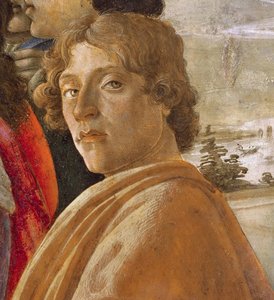
1445 - 1510 , إيطاليا


ابقَ على اطلاع بأحدث أخبار الفن، والعروض الحصرية، وأفكار الديكور.
أخبرنا عن مشروعك، وسيقدم لك خبراؤنا الفنيون 3 اقتراحات فنية مخصصة لك.
دعنا نختار لك ٣ خيارات مخصصة تماماً - مجاناً!


 معاينة الحجم الحقيقي
 مشاركة
 مشاركة
 التفاصيل

 تحميل الملف
 قطع مشابهة
 الأشعة السينية
 عرض شرائح
 عرض المزيد


