


x


 Preview
 اطلب نسخة مرسومة يدوياً شراء الصورة بدقة عالية
 مشاركة
 التفاصيل
 أضف إلى المفضلة
 تحميل الملف
 قطع مشابهة
 الأشعة السينية
 عرض شرائح
 Oil On CanvasWallArtFrench Baroque
 1617
1617 95.0 x 135.0 cm
 غاليريا نازيونال د آرت آنتيكا
طباعة جيكلي أو كانفاس بجودة المتاحف، مع سرعة في التنفيذ وخيارات متنوعة للتشطيب.





























اختر من بين أحجامنا المُعدّة مسبقًا والتي تتطابق مع النسب الأصلية للعمل الفني.

يمكنك إدخال أبعادك الخاصة لتناسب إطاراً أو مساحة معينة. وإذا لم يتطابق الحجم الذي اخترته مع نسب الصورة الأصلية، فسنقوم إما بقص العمل الفني أو تمديد الصورة باستخدام حافة معكوسة أو بلون مصمت. سيتم إرسال نموذج تجريبي رقمي لاعتمادك قبل بدء الإنتاج.
يرجى ملاحظة أن المعاينة على الشاشة لا تعكس عملية القص أو التمديد الفعلية؛ حيث سيوضح النموذج التجريبي فقط التكوين النهائي بدقة.
وعلى الرغم من توفر أحجام مخصصة، إلا أننا نوصي باختيار أبعاد من القائمة المحددة مسبقاً للحفاظ على النسب الأصلية.
توصيل عالمي إلى خلال أسبوعين بدلاً من المدة القياسية البالغة 4/5 أسابيع. 26 يوليو


The Fortune Teller
مقاس النسخة المطبوعة
Simon Vouet's "The Fortune Teller," painted in 1617, isn’t merely a portrait; it’s a carefully constructed tableau brimming with intrigue and a palpable sense of the mystical. Housed within the venerable Galleria Nazionale d’Arte Antica in Rome, this oil on canvas invites viewers into a dimly lit chamber where the boundaries between reality and prophecy blur. Vouet, a pivotal figure bridging the Mannerist and Baroque eras, masterfully employs chiaroscuro – the dramatic interplay of light and shadow – to draw our attention to the central figures and imbue the scene with an almost theatrical intensity.
The composition itself is deliberately layered. At its heart sits a man, his features obscured by a wide-brimmed hat and a flowing beard, engaged in a hushed conversation. He holds an open book, seemingly offering guidance or revealing secrets. Flanking him are two women, their attire – one clad in vibrant red, the other in deep blue – adding splashes of color to the predominantly dark palette. Their attentive gazes suggest they are both recipients and observers of this unfolding drama. The background, rendered in muted tones, serves primarily as a backdrop, emphasizing the figures and creating an atmosphere of hushed anticipation.
Vouet’s technique is a fascinating blend of influences. He absorbed the dramatic lighting favored by Caravaggio, but tempered it with a more refined elegance characteristic of French portraiture. Notice how light pools around the faces and hands, highlighting their expressions and gestures while leaving much of the scene shrouded in shadow. This creates a sense of depth and mystery, inviting speculation about the events taking place within the room. The brushstrokes are smooth and blended, contributing to the painting’s overall polished appearance – a hallmark of Vouet's style.
The use of *sfumato*, another technique borrowed from Leonardo da Vinci, is subtly present, softening edges and creating an atmospheric haze that further enhances the sense of depth. Vouet wasn’t simply replicating Caravaggio; he was adapting his innovations to suit the evolving tastes of the French court, resulting in a uniquely sophisticated style.
"The Fortune Teller" is steeped in symbolism, reflecting the prevailing fascination with astrology, divination, and the occult during the early 17th century. The book held by the central figure likely represents knowledge, prophecy, or perhaps even fate itself. The women, often interpreted as representing fortune tellers or advisors, are positioned to receive this information. The red and blue garments could symbolize different types of wisdom or guidance – a common motif in Renaissance art.
Painted during a period of significant artistic transition in France, Vouet’s work exemplifies the shift from the rigid formality of Mannerism towards the more dynamic and emotionally expressive style of the Baroque. His patronage by influential figures like Cardinal Richelieu helped establish him as one of the leading artists of his time, shaping the course of French painting for decades to come.
The enduring appeal of “The Fortune Teller” lies in its ability to evoke a sense of mystery and intrigue. It’s a scene ripe with narrative possibilities, prompting viewers to imagine the story behind the figures and their exchange. Today, high-quality reproductions of this captivating artwork are available through Most-Famous-Paintings.com, meticulously crafted using traditional oil painting techniques and premium materials, ensuring that the drama and emotional depth of Vouet's original masterpiece are faithfully preserved. These reproductions offer a beautiful way to bring this iconic work into your home or office – a testament to the enduring power of art.
For further exploration, consider visiting the Galleria Nazionale d’Arte Antica in Rome or delving into online resources like the Web Gallery of Art (The Fortune Teller by VOUET, Simon) and exploring Valentin de Boulogne's work for a deeper understanding of Caravaggio’s influence.

كان سيمون فوييه شخصية محورية في انتقال الرسم الفرنسي من أسلوب المانييريزم إلى الأسلوب الباروكي. وُلد فوييه لعائلة فنية؛ حيث كان والده لوران رسامًا، وأخوه أوبان يمارس الفن أيضًا؛ وتلقى تدريبًا مبكرًا وضع الأساس لنجاحه المستقبلي. وسيكمل حفيده، لودوفيكو دوريني، الإرث الفني للعائلة.
خلال إقامته الإيطالية، استوعب فوييه مجموعة متنوعة من التأثيرات. فقد درس تقنيات الإضاءة الدرامية التي ابتكرها كارافاجيو، واحتضن عناصر المانييريزم الإيطالي، وحلل بدقة لوحات الألوان والمنظور di sotto in su (المنظور المُقاصَر) الذي استخدمه باولو فيرونيزي. كما استلهم من أعمال كاراتشي وغويرتشينو ولانفرانكو وغيدو ريني، مُركباً هذه الأساليب المتنوعة في رؤية فنية فريدة.
يرتكز إرث سيمون فوييه على دوره المحوري كجسر بين الفن الإيطالي والفرنسي. فقد نجح في استيراد ديناميكية وعظمة الباروك الإيطالي، وحوّلها إلى أسلوب لاقى صدى لدى أذواق البلاط الأرستقراطي الفرنسي. إن تأثيره لا يمكن إنكاره في تطور الرسم الفرنسي خلال القرن السابع عشر، ولا تزال مساهماته محط تقدير مؤرخات الفن حتى يومنا هذا.

1590 - 1649 , فرنسا

Explore the life & art of Simon Vouet, a pivotal French Baroque painter who introduced Italian styles to France. Discover his masterpieces and lasting influence on 17th-century art.

اكتشف 25 تحفة فنية لكلود مونيه، رائد الانطباعية. استكشف قصص لوحاته الخالدة وتقنياته الفريدة وألوانه الساحرة. احصل على نسخ عالية الجودة لديكور منزلك الفاخر على Most-Famous-Paintings.com
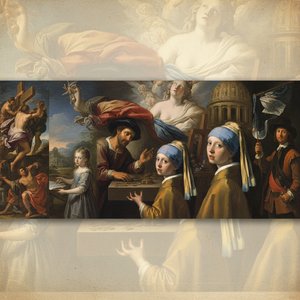
اكتشف روائع عصر الباروك! استكشف 10 لوحات فنية خالدة مع كارافاجيو، رامبرانت وغيرهم. تاريخ الفن، أسلوب باروكي مذهل، و ديكور منزلي فاخر. تسوق إعادة إنتاج فني عالي الجودة على Most-Famous-Paintings.com

Journey through Baroque painting's glory! Explore 10 masterpieces by Caravaggio, Rembrandt & Vermeer. Discover dramatic lighting, rich colors & timeless stories. Find museum-quality art reproductions for your home at Most-Famous-Paintings.com.
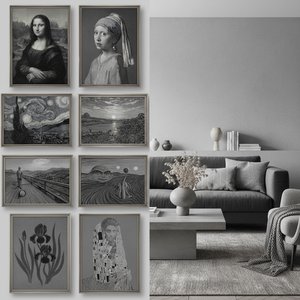
Explore 10 iconic gray paintings by masters like Rembrandt, Hopper & Whistler. Discover the stories behind these atmospheric artworks and find museum-quality art reproductions for your home decor at . Explore the full collection online.


ابقَ على اطلاع بأحدث أخبار الفن، والعروض الحصرية، وأفكار الديكور.
أخبرنا عن مشروعك، وسيقدم لك خبراؤنا الفنيون 3 اقتراحات فنية مخصصة لك.
دعنا نختار لك ٣ خيارات مخصصة تماماً - مجاناً!


 مشاركة

 عرض المزيد







 خيار الزجاج متاح فقط للمقاسات التي تقل عن 110 سم


