x

لوحة زيتية مرسومة يدوياً على الكانفاس بالمقاس والإطار الذي تفضله، تُنفذ حسب الطلب على أيدي فنانينا. ( اشترِ نسخة مطبوعة اشترِ الصورة)





























اختر من بين أحجامنا المُعدّة مسبقًا والتي تتطابق مع النسب الأصلية للعمل الفني.

يمكنك إدخال أبعادك الخاصة لتناسب إطارًا معينًا أو مساحة محددة. وإذا لم يتطابق الحجم الذي اخترته مع نسب الصورة الأصلية، فسنقوم إما بقص العمل الفني أو توسيع اللوحة بإضافة عناصر مرسومة يدويًا. سيتم إرسال نموذج رقمي إليك للموافقة عليه قبل بدء الإنتاج.
يرجى ملاحظة أن المعاينة على الشاشة لا تعكس عملية القص أو التوسيع الفعلية؛ حيث إن النموذج الرقمي وحده هو الذي سيوضح التكوين النهائي بدقة.
وعلى الرغم من توفر أحجام مخصصة، إلا أننا نوصي باختيار أبعاد من القائمة المحددة مسبقًا للحفاظ على النسب الأصلية للعمل الفني.
توصيل عالمي إلى خلال 3 إلى 4 أسابيع بدلاً من المدة المعتادة البالغة 5 أسابيع. (19 أغسطس). جودة لا تهاون فيها.


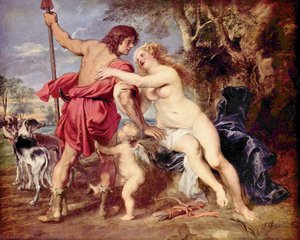
Venus and Adonis
مقاس النسخة المطبوعة
Simon Vouet’s “Venus and Adonis,” painted in 1642, is a striking example of French Baroque art, showcasing the artist’s mastery of color, composition, and his assimilation of Italian artistic trends. This evocative scene depicts the poignant moment from Ovid's *Metamorphoses* where the mortal Adonis, captivated by hunting, rejects Venus’s advances, foreshadowing his tragic demise. The painting isn't merely a depiction of mythology; it's an exploration of love, desire, and mortality rendered with remarkable sensitivity.
Vouet, having spent over a decade in Italy (particularly Rome), was instrumental in introducing the dynamic energy and dramatic lighting characteristic of Italian Baroque painting to France. This work exemplifies that influence. Observe how Vouet utilizes tenebrism – the strong contrast between light and dark – to heighten the emotional intensity of the scene. The figures emerge from a shadowy forest setting, illuminated by strategically placed light sources that emphasize their forms and expressions. His brushwork is fluid and graceful, particularly evident in the rendering of Venus’s flowing drapery and Adonis' muscular physique. Vouet’s technique demonstrates a keen understanding of anatomy and perspective, hallmarks of his training within the Italian artistic milieu.
The 17th century was a period of significant artistic transition in France. While earlier French art often leaned towards Mannerism, Vouet’s work signaled a shift toward the more dynamic and emotionally charged style of the Baroque. His return to Paris in 1627 as “Premier Peintre du Roi” (First Painter to the King) marked a pivotal moment in French artistic history. The painting reflects the aristocratic tastes of the time, with its focus on mythological subjects and refined elegance. Vouet drew inspiration from masters like Caravaggio for his dramatic lighting and Paolo Veronese for his vibrant color palette and compositional complexity. The presence of animals—birds and dogs—adds a touch of naturalism and further enriches the scene's narrative.
Beyond its surface beauty, “Venus and Adonis” is rich in symbolism. Venus, the goddess of love and beauty, represents desire and passion. Adonis, the hunter, embodies youthful vigor and a preoccupation with earthly pursuits. His rejection of Venus foreshadows his tragic death by a wild boar – a symbol of uncontrolled passions and mortality. The surrounding forest setting contributes to the painting’s melancholic atmosphere, hinting at the fleeting nature of beauty and love. The overall emotional impact is one of poignant longing and impending loss; a sense of bittersweet beauty permeates the scene, inviting contemplation on the ephemeral qualities of life and affection.
Simon Vouet’s “Venus and Adonis” offers a captivating glimpse into 17th-century French Baroque art. Its masterful technique, rich symbolism, and emotional depth make it an enduring masterpiece. A hand-painted reproduction of this artwork will bring a touch of classical elegance and dramatic flair to any interior space—whether adorning a grand salon or adding sophistication to a more intimate setting. It’s a conversation starter, a source of inspiration, and a testament to the power of art to evoke profound emotions.

كان سيمون فوييه شخصية محورية في انتقال الرسم الفرنسي من أسلوب المانييريزم إلى الأسلوب الباروكي. وُلد فوييه لعائلة فنية؛ حيث كان والده لوران رسامًا، وأخوه أوبان يمارس الفن أيضًا؛ وتلقى تدريبًا مبكرًا وضع الأساس لنجاحه المستقبلي. وسيكمل حفيده، لودوفيكو دوريني، الإرث الفني للعائلة.
خلال إقامته الإيطالية، استوعب فوييه مجموعة متنوعة من التأثيرات. فقد درس تقنيات الإضاءة الدرامية التي ابتكرها كارافاجيو، واحتضن عناصر المانييريزم الإيطالي، وحلل بدقة لوحات الألوان والمنظور di sotto in su (المنظور المُقاصَر) الذي استخدمه باولو فيرونيزي. كما استلهم من أعمال كاراتشي وغويرتشينو ولانفرانكو وغيدو ريني، مُركباً هذه الأساليب المتنوعة في رؤية فنية فريدة.
يرتكز إرث سيمون فوييه على دوره المحوري كجسر بين الفن الإيطالي والفرنسي. فقد نجح في استيراد ديناميكية وعظمة الباروك الإيطالي، وحوّلها إلى أسلوب لاقى صدى لدى أذواق البلاط الأرستقراطي الفرنسي. إن تأثيره لا يمكن إنكاره في تطور الرسم الفرنسي خلال القرن السابع عشر، ولا تزال مساهماته محط تقدير مؤرخات الفن حتى يومنا هذا.

1590 - 1649 , فرنسا

Explore the profound elegance of Baroque Classicism. Discover how 17th-century masters synthesized dramatic emotion with classical order through the lens of the Counter-Reformation and the works of legends like Carlo Maratta and Andrea Sacchi.

Explore the dramatic power of Baroque art through an expert guide to light, shadow, and emotion. Discover how the Counter-Reformation shaped 17th-century masterpieces and learn about the profound techniques used by the Old Masters to inspire awe.

Explore the dramatic evolution from Mannerist distortion to Baroque grandeur. Discover how light, shadow, and emotion redefined art history through a masterclass in technical mastery and religious fervor.

Explore the profound beauty of Greek mythology through art history. From Baroque masterpieces to Renaissance classics, discover how gods and heroes have inspired the world's greatest painters in this expert guide for collectors and history lovers.

Explore the profound differences between Baroque drama and Rococo elegance. Our expert guide delves into art history, chiaroscuro, and the evolution of European masterpieces for collectors and enthusiasts seeking deep historical context.


ابقَ على اطلاع بأحدث أخبار الفن، والعروض الحصرية، وأفكار الديكور.
أخبرنا عن مشروعك، وسيقدم لك خبراؤنا الفنيون 3 اقتراحات فنية مخصصة لك.
دعنا نختار لك ٣ خيارات مخصصة تماماً - مجاناً!


 معاينة الحجم الحقيقي
 مشاركة
 مشاركة
 التفاصيل

 تحميل الملف
 قطع مشابهة
 الأشعة السينية
 عرض شرائح


 عرض المزيد







 خيار الزجاج متاح فقط للمقاسات التي تقل عن 110 سم