


x

طباعة جيكلي أو كانفاس بجودة المتاحف، مع سرعة في التنفيذ وخيارات متنوعة للتشطيب. ( اشترِ لوحة مرسومة يدويًا اشترِ الصورة)





























اختر من بين أحجامنا المُعدّة مسبقًا والتي تتطابق مع النسب الأصلية للعمل الفني.

يمكنك إدخال أبعادك الخاصة لتناسب إطاراً أو مساحة معينة. وإذا لم يتطابق الحجم الذي اخترته مع نسب الصورة الأصلية، فسنقوم إما بقص العمل الفني أو تمديد الصورة باستخدام حافة معكوسة أو بلون مصمت. سيتم إرسال نموذج تجريبي رقمي لاعتمادك قبل بدء الإنتاج.
يرجى ملاحظة أن المعاينة على الشاشة لا تعكس عملية القص أو التمديد الفعلية؛ حيث سيوضح النموذج التجريبي فقط التكوين النهائي بدقة.
وعلى الرغم من توفر أحجام مخصصة، إلا أننا نوصي باختيار أبعاد من القائمة المحددة مسبقاً للحفاظ على النسب الأصلية.
توصيل عالمي إلى خلال أسبوعين بدلاً من المدة القياسية البالغة 4/5 أسابيع. 21 أغسطس


The Letter
مقاس النسخة المطبوعة
Sir John Lavery's "The Letter," painted in 1908, isn’t merely a portrait; it’s a carefully constructed tableau of domestic intimacy and subtle emotional depth. Captured with the Impressionistic brushstrokes characteristic of his later work, the painting depicts a woman seated on a plush bed, completely absorbed in reading a letter – an act that immediately invites speculation about its contents and the recipient's impact. Lavery masterfully eschews overt drama, instead focusing on capturing a fleeting moment of quiet contemplation, a stillness that speaks volumes about the subject’s inner world.
The painting’s composition is deceptively simple yet profoundly effective. The woman, positioned slightly off-center, anchors the scene while the four-poster bed and flowing curtains create a sense of enveloping comfort and privacy. Notice how Lavery uses the architecture to subtly guide the viewer's eye – the receding lines of the bed frame and window draw us into the intimate space, mirroring the subject’s absorption in her reading. The color palette is deliberately muted—soft yellows, creams, and pale blues dominate—evoking a sense of warmth and serenity, while touches of pink in the woman’s dress and cheeks offer delicate highlights that prevent the scene from becoming overly somber.
Lavery’s Impressionistic style is evident in every brushstroke. He employs a technique of layering thin washes of oil paint, building up color gradually to create luminous effects and a sense of atmospheric depth. The visible texture of the paint—the loose, broken strokes—contribute significantly to the painting's overall feeling of immediacy and spontaneity. Unlike more rigid academic styles, Lavery prioritized capturing the *impression* of light and color rather than precise detail. This is particularly noticeable in the rendering of the fabrics – the velvet curtains appear almost weightless, while the woman’s dress flows with a subtle grace.
The artist's influence from Whistler is palpable; Lavery shared Whistler’s interest in capturing fleeting moments and exploring the interplay of light and color. However, unlike Whistler’s often abstract compositions, Lavery grounds his work in recognizable subjects—portraits, landscapes, and scenes of everyday life—making them accessible to a wider audience. “The Letter” exemplifies this balance between artistic experimentation and narrative clarity.
Beyond its surface beauty, "The Letter" is rich with symbolic potential. The act of reading a letter inherently carries layers of meaning – anticipation, revelation, perhaps even heartbreak or longing. The woman’s posture—her head bent slightly downward, her gaze fixed on the page—suggests deep concentration and vulnerability. She's not simply reading; she’s receiving something that profoundly affects her.
Considering Lavery’s own life – his early loss of parents, his subsequent moves between Glasgow and London, and his later years spent in Ireland – it’s possible to interpret the painting as a reflection on themes of connection, isolation, and the enduring power of communication. The letter itself becomes a conduit for unspoken emotions and hidden desires. The subtle details—the delicate lace collar, the worn velvet cushion—add further layers of meaning, hinting at a life lived within the confines of domesticity.
“The Letter” is a quintessential example of Sir John Lavery’s remarkable talent for capturing the spirit of his age. Painted during a period of rapid social change in Britain, it offers a glimpse into the private lives of the upper classes – their rituals, their affections, and their quiet moments of reflection. Lavery's ability to portray both outward elegance and inner complexity cemented his reputation as one of the most sought-after portraitists of his time. Reproductions of this evocative work continue to resonate with viewers today, offering a timeless reminder of the power of a single, carefully observed moment.

في قلب المشهد الفني البريطاني في أواخر القرن التاسع عشر وأوائل القرن العشرين، سطع نجم جون لافري، الرسام الأيرلندي الذي أسره سحر اللحظة العابرة وقدرته على التقاط جوهر الشخصيات البارزة. وُلد لافري في بلفاست عام 1856، وشق طريقه من بدايات متواضعة إلى أن أصبح أحد أبرز فناني البورتريه في عصره، تاركًا وراءه إرثًا فنيًا يمزج بين الرقي والواقعية، وبين التأثيرات الانطباعية والتفاصيل الدقيقة.
لم تكن حياة لافري مجرد مسيرة فنية سلسة؛ بل كانت رحلة مليئة بالتحديات والتحولات. فقد شهد طفولته مأساة بفقدانه والديه في سن مبكرة، مما دفعه إلى البحث عن ملاذ في عالم الفن. بعد فترة من العمل كمتدرب لدى مصور فوتوغرافي في غلاسكو، اكتشف لافري شغفه بالرسم وبدأ رحلته نحو إتقان فن البورتريه. تأثرت أعماله المبكرة بأسلوب جيمس ماكنيل ويسلر، الفنان الذي أشاد بالبساطة والأناقة والتركيز على التonal harmony، وهو ما انعكس في لوحات لافري الأولى التي تميزت بألوانها الناعمة وتكويناتها المتوازنة.
شكلت فترة إقامته في غلاسكو نقطة تحول حاسمة في مسيرة لافري الفنية. فقد انخرط في حركة "غلاسكو بويز"، وهي مجموعة من الفنانين الذين سعوا إلى تحدي التقاليد الأكاديمية وتبني أسلوب أكثر حيوية وتعبيرًا. لكن اللحظة الفارقة التي أسهمت في ترسيخ مكانته كفنان مرموق جاءت مع تكليفه برسم الزيارة التاريخية لملكة فيكتوريا إلى معرض غلاسكو الدولي عام 1888. هذا العمل الضخم، الذي صور الملكة وحاشيتها بتفاصيل دقيقة وألوان نابضة بالحياة، أكسبه شهرة واسعة النطاق وفتح له أبواب لندن الراقية.
في العاصمة البريطانية، وجد لافري نفسه محاطًا بالشخصيات البارزة من الطبقة الأرستقراطية والسياسية والأدبية. أصبحت ورشته الفنية ملتقى للفنانين والمثقفين، وأصبح هو نفسه مطلوبًا بشدة لرسم صورهم الشخصية. تميزت أعماله في هذه الفترة بالقدرة على التقاط ليس فقط التشابه الخارجي للشخصيات، بل أيضًا شخصياتها الداخلية وطباعها الفريدة. كان لافري يمتلك موهبة فطرية في إظهار الجاذبية والجاذبية لدى أصحابه، مما جعله الفنان المفضل لدى النخبة البريطانية.
لم تتوقف مسيرة لافري الفنية عند البورتريهات الأنيقة والمشاهد الاجتماعية؛ بل امتدت لتشمل توثيق الأحداث التاريخية الهامة. خلال الحرب العالمية الأولى، تم تعيينه فنانًا حربياً رسمياً، مكلفاً بتسجيل مآثر الجيش البريطاني وتضحيات الجنود. على الرغم من تعرضه لإصابات خطيرة نتيجة قصف جوي ألماني، لم يتوقف لافري عن العمل، بل ركز على تصوير الحياة اليومية في بريطانيا خلال الحرب، مع التركيز بشكل خاص على الطائرات الحربية والسفن التي لعبت دوراً حاسماً في المجهود الحربي. هذه الأعمال تعكس رؤيته الفريدة للحرب، حيث يركز على الجوانب التكنولوجية واللوجستية بدلاً من مشاهد القتال العنيفة.
رحل جون لافري عن عالمنا عام 1941، لكن إرثه الفني لا يزال حيًا حتى اليوم. تُعرض أعماله في أهم المتاحف والمعارض حول العالم، وتُقدر قيمتها العالية لما تتميز به من جودة فنية ورمزية تاريخية. بالإضافة إلى ذلك، ترك لافري بصمة واضحة على الثقافة الإيرلندية، حيث ظهرت إحدى لوحاته على أوراق العملة الأيرلندية لسنوات عديدة، مما جعله رمزًا وطنيًا يحظى بالاحترام والتقدير.
لا يمكن إنكار أن جون لافري كان فنانًا فريدًا من نوعه، جمع بين موهبة الرسم وقدرته على فهم النفس البشرية. لقد ترك لنا مجموعة من الأعمال الفنية التي تعكس عصره وتجسد قيم الجمال والأناقة والواقعية، مما جعله أحد أهم فناني البورتريه في تاريخ الفن البريطاني.
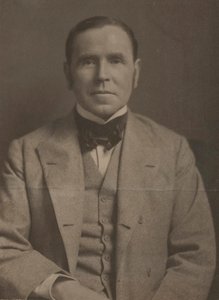
1856 - 1941 , أيرلندا

Explore the profound symbolism of women reading through art history. From Renoir to Pissarro, discover how masterworks capture intellectual depth, privacy, and the soul's journey inward. An expert guide for fine art enthusiasts and collectors.

Explore the profound revolution of Post-Impressionism. Delve into the history, techniques, and emotional depth of masters like Van Gogh and Seurat. Discover how to transform your space with museum-quality, hand-painted oil reproductions of these iconic masterpieces.


ابقَ على اطلاع بأحدث أخبار الفن، والعروض الحصرية، وأفكار الديكور.
أخبرنا عن مشروعك، وسيقدم لك خبراؤنا الفنيون 3 اقتراحات فنية مخصصة لك.
دعنا نختار لك ٣ خيارات مخصصة تماماً - مجاناً!


 معاينة الحجم الحقيقي
 مشاركة
 مشاركة
 التفاصيل

 تحميل الملف
 قطع مشابهة
 الأشعة السينية
 عرض شرائح


 عرض المزيد







 خيار الزجاج متاح فقط للمقاسات التي تقل عن 110 سم


