x

 زيت على قماشلوحات جداريةBaroque
 1618عصر النهضة
 92.0 x 68.0 cm
طباعة جيكلي أو كانفاس بجودة المتاحف، مع سرعة في التنفيذ وخيارات متنوعة للتشطيب. ( اشترِ لوحة مرسومة يدويًا اشترِ الصورة)





























اختر من بين أحجامنا المُعدّة مسبقًا والتي تتطابق مع النسب الأصلية للعمل الفني.

يمكنك إدخال أبعادك الخاصة لتناسب إطاراً أو مساحة معينة. وإذا لم يتطابق الحجم الذي اخترته مع نسب الصورة الأصلية، فسنقوم إما بقص العمل الفني أو تمديد الصورة باستخدام حافة معكوسة أو بلون مصمت. سيتم إرسال نموذج تجريبي رقمي لاعتمادك قبل بدء الإنتاج.
يرجى ملاحظة أن المعاينة على الشاشة لا تعكس عملية القص أو التمديد الفعلية؛ حيث سيوضح النموذج التجريبي فقط التكوين النهائي بدقة.
وعلى الرغم من توفر أحجام مخصصة، إلا أننا نوصي باختيار أبعاد من القائمة المحددة مسبقاً للحفاظ على النسب الأصلية.
توصيل عالمي إلى خلال أسبوعين بدلاً من المدة القياسية البالغة 4/5 أسابيع. 17 أغسطس


Saint Peter
مقاس النسخة المطبوعة
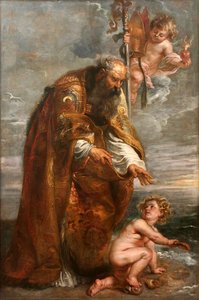
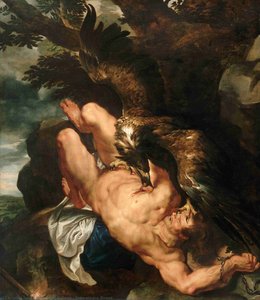
Peter Paul Rubens’s “Saint Peter” is more than just a portrait; it's a vibrant embodiment of the artist’s signature style – a dynamic, emotionally charged depiction of one of Christianity’s most revered figures. Completed in 1618 during a pivotal period in his career, this painting offers a profound glimpse into the heart of the Flemish Baroque and its engagement with both classical ideals and the fervor of the Counter-Reformation. The work, currently residing within the Kunstsammlungen Graf von Schönborn Pommersfelden in Schloss Weißenstein, Germany, stands as a testament to Rubens’s unparalleled ability to infuse religious iconography with life, movement, and an almost palpable sense of drama.
Rubens's artistic approach is immediately striking. He eschews the static formality often associated with depictions of saints, instead presenting Saint Peter in a posture of confident authority, his hand outstretched as if offering guidance or bearing witness to a momentous event. The composition itself is meticulously crafted – a carefully balanced arrangement of form and color that draws the eye directly to the central figure. Notice how Rubens utilizes diagonal lines, particularly those created by Peter’s robe and gesture, to generate a sense of forward momentum, suggesting an active role in the narrative rather than a passive recipient of divine grace.
Rubens was renowned for his mastery of oil on canvas, employing a technique that prioritized intense color saturation and dramatic lighting. In “Saint Peter,” he skillfully manipulates *chiaroscuro* – the interplay of light and dark – to sculpt the figure’s form and heighten its emotional impact. The deep shadows enveloping much of the background contrast sharply with the luminous glow illuminating Peter, creating a powerful sense of depth and drawing attention to his central position within the composition. The rich palette—a symphony of reds, blues, and golds—is characteristic of Rubens's style, reflecting both the opulence of the Counter-Reformation and his deep understanding of color theory.
At the heart of the painting lies the symbolic significance of Saint Peter’s gesture. He holds a key in his hand – an unmistakable reference to his role as the keeper of heaven's gates, as recounted in Matthew 16:19. This potent symbol immediately establishes Peter’s authority and importance within the Christian narrative. The richly embroidered robe, indicative of his elevated status as Pope, further emphasizes this symbolic weight. Beyond the key, subtle details contribute to the painting’s layered meaning; the beard and mustache, rendered with meticulous realism, convey a sense of wisdom and experience, while the overall posture exudes both humility and strength.
The backdrop of “Saint Peter” is dominated by a dramatic, almost stormy sky – a deliberate choice that amplifies the painting’s emotional intensity. This use of atmospheric perspective, coupled with the strong contrasts between light and shadow, creates a sense of depth and drama reminiscent of Baroque art. The dark, brooding background serves not merely as a setting but as an active participant in the scene, mirroring Peter's own role as a beacon of hope amidst uncertainty. The composition is carefully balanced, ensuring that Peter remains the focal point while also incorporating elements that suggest a broader narrative context – perhaps hinting at his martyrdom or his leadership within the early Church.
Created during a period of intense religious and artistic renewal, “Saint Peter” reflects the Counter-Reformation’s emphasis on emotional engagement and dramatic storytelling. Rubens's workshop in Antwerp was a hub for artistic innovation, producing works that catered to both aristocratic patrons and the burgeoning Catholic Church. His style profoundly influenced subsequent generations of artists, notably Anthony van Dyck, who adopted Rubens’s dynamic compositions and vibrant color palettes, particularly in his portraits of English nobility. The painting’s enduring appeal lies not only in its technical brilliance but also in its ability to capture the essence of a pivotal figure within Christian history – a testament to Peter Paul Rubens's genius as one of the greatest artists of the Baroque era.


1577 - 1640 , ألمانيا
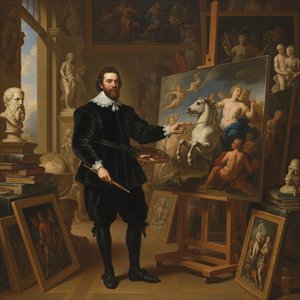
Discover the life & art of Peter Paul Rubens, the most influential artist of the Flemish Baroque tradition. Explore his masterpieces, legacy, and impact on art history with Most-Famous-Paintings.

Explore the dramatic brilliance of the Flemish Baroque movement. Discover how masters like Peter Paul Rubens utilized chiaroscuro and dynamic composition to redefine art history through light, shadow, and unparalleled emotion.

Explore the grandeur of Baroque portraiture! Discover Rubens, Van Dyck & the masters of 17th-century art. Uncover symbolism, techniques & lasting influence. Expert insights for collectors and enthusiasts.

Embark on a sophisticated journey through art history with our exploration of Saint Peter's most powerful masterpieces. Discover the profound emotional depth and technical brilliance of Renaissance and Baroque icons, curated for the discerning classic art enthusiast.
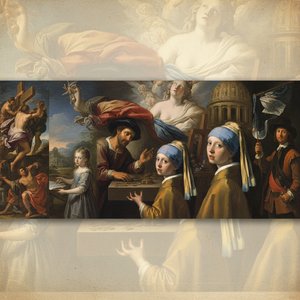
اكتشف روائع عصر الباروك! استكشف 10 لوحات فنية خالدة مع كارافاجيو، رامبرانت وغيرهم. تاريخ الفن، أسلوب باروكي مذهل، و ديكور منزلي فاخر. تسوق إعادة إنتاج فني عالي الجودة على Most-Famous-Paintings.com


ابقَ على اطلاع بأحدث أخبار الفن، والعروض الحصرية، وأفكار الديكور.
أخبرنا عن مشروعك، وسيقدم لك خبراؤنا الفنيون 3 اقتراحات فنية مخصصة لك.
دعنا نختار لك ٣ خيارات مخصصة تماماً - مجاناً!


 معاينة الحجم الحقيقي
 مشاركة
 مشاركة
 التفاصيل

 تحميل الملف
 قطع مشابهة
 الأشعة السينية
 عرض شرائح
 عرض المزيد







 خيار الزجاج متاح فقط للمقاسات التي تقل عن 110 سم