x

طباعة جيكلي أو كانفاس بجودة المتاحف، مع سرعة في التنفيذ وخيارات متنوعة للتشطيب. ( اشترِ لوحة مرسومة يدويًا اشترِ الصورة)





























اختر من بين أحجامنا المُعدّة مسبقًا والتي تتطابق مع النسب الأصلية للعمل الفني.

يمكنك إدخال أبعادك الخاصة لتناسب إطاراً أو مساحة معينة. وإذا لم يتطابق الحجم الذي اخترته مع نسب الصورة الأصلية، فسنقوم إما بقص العمل الفني أو تمديد الصورة باستخدام حافة معكوسة أو بلون مصمت. سيتم إرسال نموذج تجريبي رقمي لاعتمادك قبل بدء الإنتاج.
يرجى ملاحظة أن المعاينة على الشاشة لا تعكس عملية القص أو التمديد الفعلية؛ حيث سيوضح النموذج التجريبي فقط التكوين النهائي بدقة.
وعلى الرغم من توفر أحجام مخصصة، إلا أننا نوصي باختيار أبعاد من القائمة المحددة مسبقاً للحفاظ على النسب الأصلية.
توصيل عالمي إلى خلال أسبوعين بدلاً من المدة القياسية البالغة 4/5 أسابيع. 19 أغسطس


Pieta
مقاس النسخة المطبوعة
In the twilight of his illustrious career, Tiziano Vecellio, known eternally as Titian, delivered a profound testament to human suffering and divine compassion through his masterpiece, Pieta. Completed between 1575 and 1576, this monumental work serves as a cornerstone of the Venetian Baroque, capturing a moment of intense theological contemplation. The scene is not merely a depiction of death, but a complex dialogue between grief and grace. As we gaze upon the canvas, we find Mary Magdalene cradling the lifeless body of Christ, her sorrow palpable through the heavy, atmospheric textures that define Titian’s late style. Beside them stands Nicodemus—a figure widely believed to be a poignant self-portrait of the aging master himself—confronting the divine majesty and his own mortality with a quiet, somber dignity.
The composition is a marvel of structural harmony and emotional depth. Titian employs a triangular arrangement involving Mary Magdalene, the torso of Christ, and Nicodemus to provide a sense of stability amidst the surrounding chaos of grief. This geometric balance is subtly disrupted by the presence of Saint Helena, adding layers of familial and spiritual complexity to the narrative. The setting itself feels ancient and weathered, a partially ruined temple or tomb that evokes the passage of time and the decay of earthly glory. Through this architectural backdrop, Titian creates a sense of claustrophobia that draws the viewer into the intimate circle of mourners, making the experience of the painting feel deeply personal and inescapable.
To behold the Pieta is to witness the revolutionary evolution of Venetian technique. Moving away from the crisp, linear precision of the early Renaissance, Titian embraces a revolutionary approach characterized by atmospheric haze and thick, expressive impasto. The surface of the painting is alive with texture; the flesh of Christ and the rugged stone of the shrine are rendered with bold brushstrokes that catch the light, creating an illusion of three-dimensional presence. This technique, known as chiaroscuro, utilizes stark contrasts between deep shadows and luminous highlights to heighten the theatricality of the scene, casting a dramatic spotlight on the central tragedy.
The color palette is a masterclass in emotional resonance. Eschewing bright, distracting hues, Titian relies on a sophisticated arrangement of earthy browns, ochres, and deep reds, punctuated by subtle glints of gold and ethereal pale blues. These muted tones work in unison to evoke a sense of solemnity and mourning. The way the light seems to dissolve the edges of the figures into the surrounding gloom creates an otherworldly, spiritual atmosphere, as if the scene is emerging from a divine mist. For the collector or the interior designer, this painting offers more than just visual beauty; it provides a profound emotional anchor, bringing a sense of historical weight and contemplative stillness to any space.
The Pieta remains one of the most moving achievements in Western art history. It is a work that speaks to the universal experience of loss while simultaneously pointing toward the hope of resurrection. Because it was one of Titian's final works—left unfinished at his death and completed with great care by Palma Giovane—it carries an inherent intimacy, a sense of a master pouring his final breaths into the canvas. This raw, unshielded emotion makes the piece incredibly captivating for those who appreciate art that transcends mere decoration to become a window into the human soul.
For those seeking to adorn a curated collection or a sophisticated interior with a high-quality reproduction, this work offers unparalleled inspiration. A hand-painted rendition of such a masterpiece allows the dramatic interplay of light and the rich, somber textures to breathe within a modern setting. It serves as a conversation piece that invites reflection, bringing the grandeur of the Venetian Baroque into the contemporary home and ensuring that the profound legacy of Titian continues to inspire awe for generations to come.

يُعد تيتشانو فيتشيلّيو، المعروف عالميًا باسم تيتيان، أحد أعظم الشخصيات في عصر النهضة الإيطالية – ربما يكون أبرع مصور للألوان وأستاذ أرسى معايير جديدة لإمكانيات الرسم بالزيت. ولد حوالي عام 1490 في بيڤي دي كادوري، الواقعة وسط المناظر الطبيعية الدرامية لجبال الألب الفينيسية، فإن رحلته من بدايات متواضعة إلى الاعتراف الدولي هي شهادة على الموهبة الهائلة والتفاني الذي لا يتزعزع في الابتكار الفني. تفاصيل الحياة المبكرة لتيتيان لا تزال غامضة بعض الشيء، لكننا نعرف أنه كان أحد أطفال جريجوريو فيتشيلّيو، وهو رجل عسكري، وزوجته لوتشيا. إدراكًا منهم لإمكانات أبنائهم، رتبت العائلة لإرسال الشاب تيتيان وشقيقه فرانسيسكو للتدريب لدى فنان في البندقية – قرار غير مسار تاريخ الفن إلى الأبد.
كانت البندقية في مطلع القرن السادس عشر مركزًا نابضًا بالحياة للتجارة والثقافة والنشاط الفني. بدأ تدريب تيتيان الأولي في ورشة سيباستيانو زوكّاتو، وهو صانع فسيفساء، يليه فترات وجيزة تحت إشراف جيليتي بيليني، والأهم من ذلك، شقيقه جيوفاني. ومع ذلك، فإن ارتباطه بجورجوني – وهو رسام فنلندي آخر يتميز بعمله بجودة شعرية أثيرية – هو الذي أثبت أنه الأكثر تشكيلاً. تعاون الفنانان في عدة مشاريع، بما في ذلك الفسيفساء الخارجية لـ "فونداكو دي تيديشي"، وهي مركز تجاري نابض بالحياة للتجار الألمان. حتى في هذه الأعمال المبكرة، كان مظهر مهارة تيتيان الاستثنائية واضحًا، مما أكسبه اعترافًا بين معاصريه وأبشر بالإبداع الذي سيأتي.
يمكن وصف التطور الفني لتيتيان بأنه تنوع ملحوظ واستكشاف مستمر لتقنيات الرسم. تعرض أعماله المبكرة، المتأثرة بشكل كبير بجورجوني، سحرًا رقيقًا واستخدامًا بارعًا للألوان لخلق تأثيرات جوية. تُظهر اللوحات مثل "رجل بأكمام منقوشة" (حوالي عام 1509) موهبته الناشئة في تصوير البالغين، فإنه يلتقط ليس فقط الشبه الجسدي لموضوعاته ولكن أيضًا شخصياتهم الداخلية. مع نضوج الفنان، بدأ تيتيان في الابتعاد عن النغمات الدقيقة لجورجوني واحتضان نهج أكثر جرأة ودرامية للألوان. يوضح "الزيارة المريمية" (الموجودة الآن في أكاديمية البندقية) هذا التحول، مع إظهار ثقته المتزايدة في التعامل مع التكوينات المعقدة والألوان النابضة بالحياة.
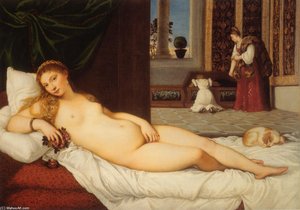
على مر حياته المهنية الطويلة، دفع تيتيان باستمرار حدود التعبير الفني. جرب ضربات فرشاة مختلفة – من الأسطح الممزوجة بسلاسة إلى علامات تعبيرية فضفاضة – وطور تقنية فريدة لترتيب الألوان لخلق تأثيرات مضيئة. أصبحت صورته مشهورة بعمقها النفسي وتصوير واقعي للأنسجة والأقمشة. في الوقت نفسه، تفوق في الموضوعات الأسطورية والدينية، ونفخ فيها حسًا دراميًا وكثافة عاطفية أسرت الجماهير. مثال رئيسي هو "فينوس من أوربينو"، وهي تحفة فنية أعادت تعريف تصوير العراة الأنثوية وأرست تيتيان كشخصية رائدة في الرسم الفينيسي.
جذبت موهبة تيتيان انتباه رعاة أقوياء من جميع أنحاء أوروبا. عمل كرسام رسمي للإمبراطور شارل الخامس، الملك فيليب الثاني ملك إسبانيا، وبابا بولس الثالث، من بين آخرين. لم يوفر له هذا الرعاية الأمن المالي فحسب، بل سمح له أيضًا بإنشاء أعمال ضخمة عرضت براعته الفنية على نطاق واسع. قدرته على تكييف أسلوبه مع أذواق المحاكم المختلفة مع الحفاظ على صوته المميز هي شهادة على مهاراته الاستثنائية ودبلوماسيته.
امتد تأثير أعمال تيتيان إلى ما بعد حياته، حيث ألهم الأجيال القادمة من الفنانين. لقد أثر استخدامه المبتكر للألوان وعمله الفضفاض وتركيزه على التقاط الجوهر العاطفي لموضوعاته بعمق على فنانين لا يحصى. من بيتر بول روبنز ورينبرانت إلى يوجين ديلاكروا وإدوارد ماني، استلهم العديد من الرسامين من أعماله الرئيسية. يُعتبر شخصية محورية في الانتقال من عصر النهضة العليا إلى الفترة الباروكية، ومهد الطريق لأنماط ومنهجيات فنية جديدة.
توفي تيتيان في البندقية عام 1576، تاركًا وراءه عملًا استثنائيًا لا يزال يلهم الرهبة والإعجاب. يمكن العثور على لوحاته في المتاحف حول العالم، بما في ذلك معرض بالاتينا في فلورنسا ومعرض برادو في مدريد والمعرض الوطني في لندن. إن تجربة تيتيان هي مواجهة حرفي بارع في أوج قوته – رسام يمتلك قدرة لا مثيل لها على التقاط جمال ودراما وتعقيد الحالة الإنسانية.
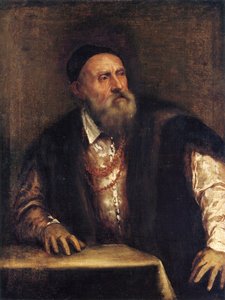
1490 - 1576 , إيطاليا

Explore the luminous mastery of the Venetian Renaissance. Discover how masters like Titian and Giorgione revolutionized art through colorito, light, and atmosphere. An expert guide to the golden age of Italian painting for collectors and enthusiasts.

Explore the profound history and technical brilliance of oil on panel painting. From Renaissance masters to modern techniques, discover why this rigid support offers unparalleled precision and permanence for fine art lovers and collectors.


ابقَ على اطلاع بأحدث أخبار الفن، والعروض الحصرية، وأفكار الديكور.
أخبرنا عن مشروعك، وسيقدم لك خبراؤنا الفنيون 3 اقتراحات فنية مخصصة لك.
دعنا نختار لك ٣ خيارات مخصصة تماماً - مجاناً!


 معاينة الحجم الحقيقي
 مشاركة
 مشاركة
 التفاصيل

 تحميل الملف
 قطع مشابهة
 الأشعة السينية
 عرض شرائح

 عرض المزيد







 خيار الزجاج متاح فقط للمقاسات التي تقل عن 110 سم