x

 Oil On CanvasWallArtRenaissance Echo
 154319th Century
 3610.0 x 2420.0 cm
 Kunsthistorisches Museum
طباعة جيكلي أو كانفاس بجودة المتاحف، مع سرعة في التنفيذ وخيارات متنوعة للتشطيب. ( اشترِ لوحة مرسومة يدويًا اشترِ الصورة)





























اختر من بين أحجامنا المُعدّة مسبقًا والتي تتطابق مع النسب الأصلية للعمل الفني.

يمكنك إدخال أبعادك الخاصة لتناسب إطاراً أو مساحة معينة. وإذا لم يتطابق الحجم الذي اخترته مع نسب الصورة الأصلية، فسنقوم إما بقص العمل الفني أو تمديد الصورة باستخدام حافة معكوسة أو بلون مصمت. سيتم إرسال نموذج تجريبي رقمي لاعتمادك قبل بدء الإنتاج.
يرجى ملاحظة أن المعاينة على الشاشة لا تعكس عملية القص أو التمديد الفعلية؛ حيث سيوضح النموذج التجريبي فقط التكوين النهائي بدقة.
وعلى الرغم من توفر أحجام مخصصة، إلا أننا نوصي باختيار أبعاد من القائمة المحددة مسبقاً للحفاظ على النسب الأصلية.
توصيل عالمي إلى خلال أسبوعين بدلاً من المدة القياسية البالغة 4/5 أسابيع. 18 أغسطس


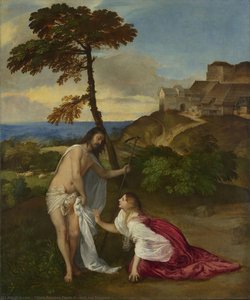
Ecce Homo
مقاس النسخة المطبوعة
In the quiet, shadowed depths of Titian Ramsay Peale II’s Ecce Homo, one finds a profound encounter with both the divine and the human. The painting presents a man—unmistakably evocative of Jesus Christ—caught in a singular moment of intense introspection. His downward gaze, heavy with the weight of contemplation, draws the viewer into a sacred space of reflection. With hands pressed against his chest, he appears to be caught between a silent prayer and the crushing reality of his fate. This is not merely a portrait; it is an emotional landscape where the boundaries between the spiritual and the physical blur through the masterful use of chiaroscuro. The dramatic interplay of light and shadow heightens the emotional intensity of the scene, pulling the observer's gaze directly to Christ at the composition's heart.
Completed in a period that saw significant cultural exchange between Europe and America, this work stands as a testament to the enduring influence of Renaissance ideals within the burgeoning artistic landscape of the United States. While Titian Ramsay Peale II was part of a legendary American dynasty—the son of the monumental Charles Willson Peale—his artistic heart remained tethered to the classical masters of the Old World. His style leans heavily toward Mannerism, yet it is tempered by a unique sensibility that reflects his lineage and the broader European currents of his time. Through meticulous attention to detail and a vibrant color palette, Peale II channels the aesthetic principles championed by the Venetian masters, creating a compelling tension between Old World reverence and New World expression.
The subject matter of Ecce Homo confronts viewers with a dramatic depiction of Christ’s Passion—specifically, the harrowing moment he is presented before Pontius Pilate as “the Lamb of God.” The scene is far from static; it is charged with the energy of ancient conflict. Within the composition, one can discern the presence of Roman soldiers and the remnants of a recent skirmish, with swords lying near the ground and horses positioned amidst the crowd. This deliberate choice of subject matter, which was relatively uncommon in certain artistic circles of his era, allows Peale II to explore themes of sacrifice, judgment, and the heavy burden of destiny. For the collector or interior designer, this piece offers more than just visual beauty; it provides a profound narrative anchor, bringing a sense of historical gravity and timeless spiritual depth to any curated space.


1799 - 1885 , الولايات المتحدة الأمريكية
Explore the dramatic mastery of chiaroscuro and tenebrism. From Caravaggio's shadows to Renaissance light, discover how art history's greatest masters used contrast to define emotion and form in this expert guide for art enthusiasts and collectors.

Explore the profound mastery of Rembrandt's chiaroscuro technique. Discover how this Dutch Golden Age master used dramatic light and shadow to capture the human soul through iconic Baroque masterpieces.

Explore the profound power of chiaroscuro and tenebrism. Discover how the Old Masters used light and shadow to create art history's most dramatic masterpieces, from Caravaggio to Ribera, and learn how these techniques define timeless aesthetic beauty.

Explore the dramatic mastery of the Dutch Baroque era. Discover how masters like Rembrandt used chiaroscuro to transform everyday life into timeless art. An expert guide for collectors and enthusiasts seeking to understand the profound interplay of light and shadow.


ابقَ على اطلاع بأحدث أخبار الفن، والعروض الحصرية، وأفكار الديكور.
أخبرنا عن مشروعك، وسيقدم لك خبراؤنا الفنيون 3 اقتراحات فنية مخصصة لك.
دعنا نختار لك ٣ خيارات مخصصة تماماً - مجاناً!


 معاينة الحجم الحقيقي
 مشاركة
 مشاركة
 التفاصيل

 تحميل الملف
 قطع مشابهة
 الأشعة السينية
 عرض شرائح
 عرض المزيد







 خيار الزجاج متاح فقط للمقاسات التي تقل عن 110 سم