


x

 Oil On CanvasWallArtAbstract Art
 1930Modern
 70.0 x 60.0 cm
احصل على صورة رقمية عالية الدقة ومعزّنة، بجودة تفوق بكثير المعاينة عبر الإنترنت.
يتم إعداد كل ملف بعناية فائقة من قبل متخصصينا الداخليين باستخدام أدوات متقدمة ولمسات يدوية خبيرة. نضمن أن تتمتع كل صورة بوضوح استثنائي، ودقة لونية متناهية، وتفاصيل دقيقة.
يتم تسليم الملف النهائي عبر البريد الإلكتروني في غضون 72 ساعة، وهو مُحسَّن للاستخدام الفوري في المجالات المهنية والتحريرية ومجالات الطباعة. هذه هي ذات الجودة التي تعتمد عليها كبرى استوديوهات التصميم ودور النشر والمعارض الفنية المرموقة.
حمّل ملفاً عالي الدقة للعرض الشخصي، والطباعة، والمشاريع الإبداعية. ( اشترِ نسخة مطبوعة اشترِ لوحة مرسومة يدويًا)
عندما تختار Most-Famous-Paintings.com، فأنت لا تحصل على مجرد صورة فحسب، بل ستحصل على عمل فني رقمي مُحسّن باحترافية، صُمم بدقة متناهية ومصحوب بضمان الرضا. إليك كل ما يتضمنه طلبك تلقائياً:

ستصلك ملفات صورك الرقمية عالية الدقة عبر البريد الإلكتروني في غضون 72 ساعة من إتمام الطلب - لتكون جاهزة للاستخدام الفوري.

يتم تحسين عملك الفني باحترافية باستخدام أدوات الذكاء الاصطناعي المتقدمة والتحرير اليدوي، لضمان أقصى درجات التفاصيل والوضوح ودقة الألوان.

هل حذفت ملفك أو فقدته عن طريق الخطأ؟ لا تقلق - سنعيد إرساله إليك في أي وقت، ومجاناً.

استمتع بأعمالك الفنية فوراً دون أي رسوم جمركية أو ضرائب أو مصاريف شحن - فالتحميلات الرقمية دائماً ما تكون معفاة من الضرائب.

نحن نضمن أن تعكس صورتك الرقمية الألوان الأصلية بأقصى قدر ممكن من الدقة، وذلك باستخدام أدوات احترافية وتقنيات إدارة الألوان.

إذا لم تكن راضياً عن صورتك الرقمية، فسنقوم بتعديلها أو استرداد 100% من قيمتها خلال 60 يوماً - دون أي أسئلة.

لم تكن راضياً؟ احصل على استرداد كامل المبلغ خلال 60 يومًا من استلام ملفك الرقمي - دون أي أسئلة.

اشتري 3 صور، ووفر 10% - اشتري 5، ووفر 15% - اشتري +10، ووفر 20%. مثالية للمشاريع الإبداعية، والمعارض، والوكالات.
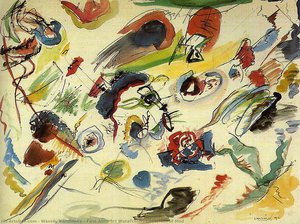
Wassily Kandinsky’s “Three Rectangles,” painted in 1930, isn't merely a depiction of geometric forms; it’s an invitation to a deeply personal and profoundly moving experience. This seminal work from the heart of his abstract period embodies the core tenets of Kandinsky’s revolutionary approach to art – that color and shape could directly communicate emotion and meaning, bypassing the need for representational imagery. The painting, measuring 70 x 60 cm, is a testament to his belief in the power of pure abstraction, a philosophy he meticulously developed over decades of experimentation.
Kandinsky’s palette for “Three Rectangles” is both restrained and intensely vibrant. He masterfully employs a carefully considered selection of hues – the assertive reds, the cool blues, the sunny yellows, the delicate pinks, and the warm oranges – each chosen not just for its visual appeal but for its capacity to evoke specific emotional responses. The rectangles themselves aren’t static; they seem to pulse with an internal energy, their placement within the composition creating a dynamic interplay of space and movement. Notice how the red rectangle, often associated with passion and vitality, dominates the center, drawing the eye while simultaneously suggesting a grounding force. The blue and yellow rectangles, positioned on either side, offer counterpoints – a sense of serenity alongside energetic dynamism.
Kandinsky’s approach to composition in “Three Rectangles” is radically different from traditional Western painting. He deliberately eschewed the illusionistic techniques of perspective and realism, instead focusing on the inherent qualities of color and shape themselves. The rectangles aren't placed within a defined space; rather, they exist as independent entities, interacting with each other through their colors and relationships. This creates an almost three-dimensional effect, inviting the viewer to step into the painting and experience it from multiple perspectives. The subtle variations in size and orientation of the rectangles contribute to this sense of depth and complexity, suggesting a carefully orchestrated balance between order and chaos.
While Kandinsky famously declared that he sought to paint “the purely spiritual,” the symbolism within "Three Rectangles" remains open to interpretation. Some scholars suggest the rectangles represent musical notes, reflecting Kandinsky’s lifelong fascination with music and his belief in its inherent connection to art. Others see them as symbols of human emotions – red for passion, blue for contemplation, yellow for joy. Regardless of a definitive reading, the painting undeniably taps into universal emotional experiences, resonating with viewers on a deeply intuitive level. It's crucial to remember that Kandinsky wasn’t aiming to depict a concrete scene; he was striving to translate inner states and feelings onto canvas.
The painting is presented within a frame, an element that subtly enhances its impact. The frame isn't merely decorative; it serves as a visual boundary, framing the composition and drawing attention to the interplay of colors and shapes. Kandinsky’s work profoundly influenced subsequent generations of artists, paving the way for abstract expressionism and other non-representational movements. “Three Rectangles” stands as a cornerstone of this legacy, demonstrating his pioneering spirit and his unwavering commitment to exploring the expressive potential of pure abstraction. Today, reproductions of this iconic piece continue to captivate audiences worldwide, offering a glimpse into the visionary mind of one of art history’s most influential figures. For those seeking to bring Kandinsky's evocative vision into their own spaces, Most-Famous-Paintings offers high-quality reproductions that faithfully capture the essence of this remarkable painting.


1866 - 1944 , روسيا


ابقَ على اطلاع بأحدث أخبار الفن، والعروض الحصرية، وأفكار الديكور.
أخبرنا عن مشروعك، وسيقدم لك خبراؤنا الفنيون 3 اقتراحات فنية مخصصة لك.
دعنا نختار لك ٣ خيارات مخصصة تماماً - مجاناً!


 معاينة الحجم الحقيقي
 مشاركة
 مشاركة
 التفاصيل

 تحميل الملف
 قطع مشابهة
 الأشعة السينية
 عرض شرائح
 عرض المزيد


![Stroyuschiysya Dom [house Under Construction] — كازيمير ماليفيتش, Suprematism](/media/artworks/images/thumbnails/b4/ce/b4ce5fe6293f433c86e0a4cb029aa5bd.jpg)


