x

لوحة زيتية مرسومة يدوياً على الكانفاس بالمقاس والإطار الذي تفضله، تُنفذ حسب الطلب على أيدي فنانينا. ( اشترِ نسخة مطبوعة اشترِ الصورة)





























اختر من بين أحجامنا المُعدّة مسبقًا والتي تتطابق مع النسب الأصلية للعمل الفني.

يمكنك إدخال أبعادك الخاصة لتناسب إطارًا معينًا أو مساحة محددة. وإذا لم يتطابق الحجم الذي اخترته مع نسب الصورة الأصلية، فسنقوم إما بقص العمل الفني أو توسيع اللوحة بإضافة عناصر مرسومة يدويًا. سيتم إرسال نموذج رقمي إليك للموافقة عليه قبل بدء الإنتاج.
يرجى ملاحظة أن المعاينة على الشاشة لا تعكس عملية القص أو التوسيع الفعلية؛ حيث إن النموذج الرقمي وحده هو الذي سيوضح التكوين النهائي بدقة.
وعلى الرغم من توفر أحجام مخصصة، إلا أننا نوصي باختيار أبعاد من القائمة المحددة مسبقًا للحفاظ على النسب الأصلية للعمل الفني.
توصيل عالمي إلى خلال 3 إلى 4 أسابيع بدلاً من المدة المعتادة البالغة 5 أسابيع. (19 أغسطس). جودة لا تهاون فيها.


A Tree in Naples
مقاس النسخة المطبوعة
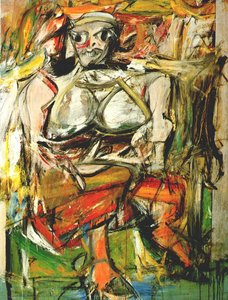
“A Tree in Naples,” created by Willem de Kooning in 1960, is a captivating example of Abstract Expressionism. This piece belongs to a series inspired by landscapes, marking a shift in De Kooning’s artistic focus towards capturing the essence of nature rather than literal representation. De Kooning described his inspiration: "Just coming around roads, some place, and having the sensation of a piece of it, a piece of nature, like a fence, something on the road. And I really get very elated by again looking, by again seeing that the sky is blue, that the grass is green.” This sentiment reveals a deep connection with the natural world and a desire to translate its feeling into visual form.
The painting doesn’t depict a tree in a traditional sense. Instead, De Kooning employs broad, heavy brushstrokes and vibrant colors—blues, reds, whites, blacks, and hints of yellow—to evoke the sensation of landscape. The technique is characteristic of Abstract Expressionism, prioritizing the artist's emotional response and process over precise depiction. Visible strokes and splatters contribute to its expressive nature. De Kooning utilized a palette knife in some areas, creating texture and depth. This approach aligns with the core principles of Abstract Expressionism, where the artist’s emotions and experiences are translated into visual expressions.
“A Tree in Naples” emerged during a pivotal period in art history – the post-World War II era. Abstract Expressionism was gaining prominence as the first major American modern art movement, centered around artists like Jackson Pollock, Elaine de Kooning, Lee Krasner, and Franz Kline—collectively known as the New York School. This movement rejected traditional representational forms, emphasizing spontaneous gesture, subjective emotion, and large-scale canvases. De Kooning’s work reflects this shift away from realism towards a more personal and expressive form of art.
While devoid of recognizable imagery, “A Tree in Naples” evokes a powerful emotional response. The dynamic interplay of color and line creates a sense of movement and vitality, suggesting the energy of nature. The painting isn't about depicting a specific tree; it’s about conveying the *feeling* of being immersed in a landscape—the light, the air, the overall sensory experience. It invites viewers to interpret the work subjectively, finding their own meaning within its abstract forms. The simplification of visual vocabulary and expansive brushstrokes create an immersive experience for the viewer.


1904 - 1997 , هولندا

اكتشف روائع الرمزية التعبيرية! استكشف 10 لوحات أيقونية مع جاكسون بولوك ومارك روثكو. قصص فنانين، تقنيات فريدة، وأعمال خالدة. احصل على لوحات مميزة لديكور منزلك الفاخر. تسوق الآن على Most-Famous-Paintings.com!
اكتشف 25 تحفة فنية لفنان العبقري جوايا! رحلة في عالم لوحاته المؤثرة، من الرومانسية إلى الواقعية. احصل على نسخ عالية الجودة لديكور منزلك الفاخر على Most-Famous-Paintings.com

APS ofrece reproducciones de bellas artes y encargos personalizados desde 2004. Confían en nosotros corporaciones, hoteles y coleccionistas selectos para obras de arte de calidad museística, servicio discreto y soluciones artísticas completas. ¡Póngase en contacto con nosotros para obtener un presupuesto personalizado!

Explore the evolution of Willem de Kooning's iconic Abstract Expressionist paintings. Discover his signature style, key themes & investment potential with expert insights for discerning art collectors.
Explore the profound emotional world of Abstract Expressionism with Most-Famous-Paintings. Discover key artists like Pollock & Rothko, learn about collecting, and find museum-quality reproductions to inspire your space.


ابقَ على اطلاع بأحدث أخبار الفن، والعروض الحصرية، وأفكار الديكور.
أخبرنا عن مشروعك، وسيقدم لك خبراؤنا الفنيون 3 اقتراحات فنية مخصصة لك.
دعنا نختار لك ٣ خيارات مخصصة تماماً - مجاناً!


 معاينة الحجم الحقيقي
 مشاركة
 مشاركة
 التفاصيل

 تحميل الملف
 قطع مشابهة
 الأشعة السينية
 عرض شرائح

 عرض المزيد







 خيار الزجاج متاح فقط للمقاسات التي تقل عن 110 سم