


x

لوحة زيتية مرسومة يدوياً على الكانفاس بالمقاس والإطار الذي تفضله، تُنفذ حسب الطلب على أيدي فنانينا. ( اشترِ نسخة مطبوعة اشترِ الصورة)





























اختر من بين أحجامنا المُعدّة مسبقًا والتي تتطابق مع النسب الأصلية للعمل الفني.

يمكنك إدخال أبعادك الخاصة لتناسب إطارًا معينًا أو مساحة محددة. وإذا لم يتطابق الحجم الذي اخترته مع نسب الصورة الأصلية، فسنقوم إما بقص العمل الفني أو توسيع اللوحة بإضافة عناصر مرسومة يدويًا. سيتم إرسال نموذج رقمي إليك للموافقة عليه قبل بدء الإنتاج.
يرجى ملاحظة أن المعاينة على الشاشة لا تعكس عملية القص أو التوسيع الفعلية؛ حيث إن النموذج الرقمي وحده هو الذي سيوضح التكوين النهائي بدقة.
وعلى الرغم من توفر أحجام مخصصة، إلا أننا نوصي باختيار أبعاد من القائمة المحددة مسبقًا للحفاظ على النسب الأصلية للعمل الفني.
توصيل عالمي إلى خلال 3 إلى 4 أسابيع بدلاً من المدة المعتادة البالغة 5 أسابيع. (14 أغسطس). جودة لا تهاون فيها.


Last Judgement
مقاس النسخة المطبوعة
In the profound depths of William Blake’s Last Judgement, viewers are not merely observing a biblical scene but are instead thrust into a visceral, spiritual confrontation. Executed in 1808, this monumental work serves as a breathtaking testament to the Romantic artist's visionary intellect. The canvas captures the terrifying yet sublime moment of divine reckoning, where the boundaries between the earthly and the eternal dissolve. Blake does not seek to provide a polite illustration of scripture; rather, he strives to translate the very essence of spiritual truth into a visual language that resonates with the soul. Through his eyes, we witness a swirling vortex of humanity—a complex tapestry of souls ascending toward heavenly light or descending into the shadows of retribution.
The composition is an intricate dance of movement and emotion, where every figure tells a story of sin, redemption, or eternal struggle. Some figures appear as ethereal, angelic beings, radiating a celestial glow that pier/s the darkness, while others represent the weight of human frailty, caught in the turbulent currents of judgment. This duality creates a dramatic tension that is both unsettling and undeniably beautiful, making it an ideal centerpiece for those who appreciate art that provokes deep thought and emotional resonance.
Blake’s technique is a departure from the polished, idealized aesthetics of his contemporaries. Rooted firmly in Neo-Romanticism, his approach prioritizes the raw power of imagination and the intensity of supernatural phenomena over the rigid empirical observations of the Enlightenment. He utilized a sophisticated layering of textures, often blending the precision of etching and engraving with the fluid, expressive qualities of watercolor. This method allows for a rich, vibrant color palette that breathes life into the dramatic atmosphere of the scene.
The painting is deliberately unpolished in certain aspects, possessing a "scarred" quality that reflects Blake’s belief that true beauty is found in acknowledging imperfection and confronting the darkness within the human condition. For collectors and interior designers, this technique offers a unique tactile depth; the interplay of light and shadow creates a sense of movement that changes depending on the viewer's perspective, ensuring that the artwork remains a captivating focal point in any sophisticated gallery or private collection.
To understand the Last Judgement is to understand the intellectual ferment of early 19th-century England. Created during a period of profound religious and scientific upheaval, Blake’s work challenged the strict moral codes of the era. While much of Victorian society sought comfort in rigid piety, Blake explored the more turbulent, alternative spiritual landscapes. His depiction of the swirling chaos of the damned was a bold interrogation of established doctrines, inviting the viewer to look beyond outward propriety and into the inner landscape of faith.
For the discerning art lover, this piece offers more than just aesthetic pleasure; it provides an emotional journey. It is a work that speaks to the universal human experience of accountability, hope, and the search for meaning amidst chaos. Whether displayed in a grand hall or a quiet study, a high-quality reproduction of this masterpiece brings with it an aura of historical significance and a profound, contemplative energy that can transform the atmosphere of any space.


1757 - 1827 , المملكة المتحدة

Explore the mystical art & poetic genius of William Blake (1757-1827). Discover his revolutionary illuminated printing, rich symbolism, and lasting influence on Romanticism. Find handmade reproductions at Most-Famous-Paintings.

Explore the life & art of Sir William Blake Richmond, a pivotal figure bridging Pre-Raphaelitism and Aestheticism. Discover his stunning portraits, mosaics at St Paul's Cathedral, and lasting influence on Victorian art.
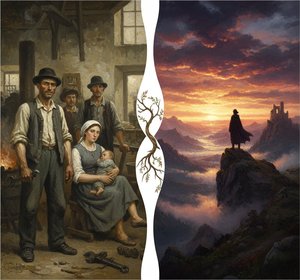
Explore 10 defining masterpieces of Romantic Realism! Discover Courbet, Millet & Daumier's powerful paintings—capturing emotion and social realities. Find museum-quality reproductions for your home at Most-Famous-Paintings.com.

Explore the profound beauty of divine judgment in art history. From sacred iconography to the sublime light of Impressionism, discover how masters capture the eternal. Expert insights for the discerning collector seeking depth and spiritual resonance in fine art.

Explore the serene landscapes of John Varley I, a key figure in British Romanticism. Discover his unique watercolour style, collaboration with William Blake & lasting artistic legacy. Learn about collecting Varley's work.


ابقَ على اطلاع بأحدث أخبار الفن، والعروض الحصرية، وأفكار الديكور.
أخبرنا عن مشروعك، وسيقدم لك خبراؤنا الفنيون 3 اقتراحات فنية مخصصة لك.
دعنا نختار لك ٣ خيارات مخصصة تماماً - مجاناً!


 معاينة الحجم الحقيقي
 مشاركة
 مشاركة
 التفاصيل

 تحميل الملف
 قطع مشابهة
 الأشعة السينية
 عرض شرائح

 عرض المزيد







 خيار الزجاج متاح فقط للمقاسات التي تقل عن 110 سم


