x

 Oil On CanvasWallArtBaroque
 1621
1621 80.0 x 65.0 cm
 Рейксмюсеум
Закупете дигитално изображение с висока резолюция и подобрени характеристики, значително по-добро от онлайн прегледа.
Всеки файл е щателно подготвен от нашите специалисти с помощта на съвременни инструменти и експертна ръчна ретуш. Гарантираме, че всяко изображение има изключителна яснота, прецизна цветова точност и фини детайли.
Окончателният файл се доставя по имейл в рамките на 72 часа, оптимизиран за незабавна употреба в професионални, редакционни и печатни среди. Това е същото качество, на което се доверяват водещи дизайнерски студия, издатели и галерии.
Изтеглете файл с висока резолюция за лично показване, принтиране и творчески проекти. ( Купете принт Купете ръчно рисувана картина)
Когато изберете Most-Famous-Paintings.com, вие не получавате само изображение – вие получавате професионално подобрена дигитална творба, създадена с прецизност и подкрепена от гаранция за удовлетворение. Ето всичко, което автоматично се включва в вашата поръчка:

Вашето дигитално изображение с висока резолюция ще ви бъде изпратено по имейл в рамките на 72 часа от поръчката - готово за незабавно използване.

Вашата картина е професионално оптимизирана с помощта на усъвършенствани инструменти за изкуствен интелект и ръчна редакция, осигурявайки максимална детайлност, яснота и точност на цветовете.

Изгубили сте или сте премахнали файла си по погрешка? Не се притежнявайте – ще го изпратим отново на Вас по всяко време, безплатно.

Всредите си веднага без мита, данъци или такси по доставка - дигителните приложения винаги са без данъчно освободени.

Гарантираме, че вашето дигитално изображение отразява оригиналните цветове възможно най-точно, използвайки професионални инструменти и управление на цветовете.

Ако не сте доволни от вашето дигилно изображение, ще го коригираме или ще възмедим 100% в рамките на 60 дни – без никакви въпроси.

Не сте удовлетворени? Получавате пълно възстановяване на сумата в рамките на 60 дни след получаването на вашия цифров файл – без никакви въпроси.

Купете 3 изображения, спестете 10% - Купете 5, спестете 15% - Купете 10+, спестете 20%. Отлично за творчески проекти, галерии и агенства.
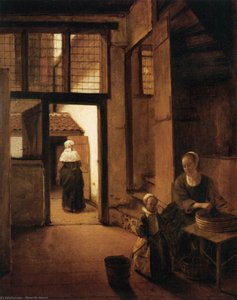
Abraham de Vries’s 1621 “Self-Portrait” is more than just a likeness; it's a meticulously crafted window into the intellectual and artistic currents of the Dutch Golden Age. Painted during a period of unprecedented prosperity and burgeoning self-awareness, this work embodies the era’s fascination with portraiture as both a formal exercise in skill and a profound exploration of individual identity. De Vries, a peripatetic artist who traversed Europe, masterfully blended influences from Flemish dynamism with the emerging realism of his native Netherlands, creating a compelling synthesis that speaks to his own restless artistic spirit.
The painting immediately draws the eye with its dramatic chiaroscuro lighting – a technique borrowed heavily from Caravaggio and Rembrandt. Deep shadows envelop much of the figure’s form, emphasizing the textures of his clothing and the subtle contours of his face. This masterful use of light not only creates a sense of depth and volume but also imbues the portrait with an air of solemnity and introspection. The artist himself is depicted in a three-quarter pose, a common convention at the time, yet de Vries avoids mere replication; he presents a carefully constructed image of scholarly sophistication.
The details of the portrait are laden with symbolic significance. De Vries is clad in an elaborate, dark robe adorned with intricate embroidery – a clear indication of his status and wealth. The voluminous sleeves and high collar, reminiscent of Renaissance attire, speak to his intellectual pursuits and connection to humanist learning. Notably, he holds a quill pen and several open books, suggesting his role as a learned man, perhaps a scholar or even an artist deeply engaged in the study of art and its principles. The inclusion of musical instruments – a lute and a recorder – further reinforces this association with intellect and refinement; music was considered a liberal art during this period.
The background is deliberately muted, a dark brown that serves to isolate the subject and draw attention to his features. This simplicity allows the viewer to focus entirely on de Vries’s face, which is rendered with remarkable precision and psychological insight. His gaze is direct and slightly melancholic, hinting at the complexities of the artist's life and perhaps reflecting upon his own artistic journey.
The painting is executed in oil on canvas, a medium that allowed for the rich textures and subtle gradations of tone characteristic of de Vries’s style. The brushwork is smooth and controlled, demonstrating a mastery of technique honed through years of practice. While undeniably influenced by the Flemish tradition – particularly the dramatic lighting and attention to detail evident in works by artists like Anthony van Dyck – de Vries also incorporates elements of Dutch realism, notably in his depiction of the subject’s face and hands. The subtle modeling of the skin, the delicate rendering of the wrinkles around his eyes, and the careful observation of anatomical details all testify to his skill as a portraitist.
Abraham de Vries's “Self-Portrait” stands as a testament to the artistic achievements of the Dutch Golden Age. It’s a work that invites contemplation, not just for its technical brilliance but also for its profound exploration of human identity and the complexities of self-representation. The painting’s enduring appeal lies in its ability to connect us with a specific moment in art history while simultaneously offering a timeless reflection on the nature of portraiture itself. It serves as a reminder that a portrait is not merely a likeness, but a carefully constructed narrative—a glimpse into the soul of the artist and the world he inhabited.


1590 - 1662 , Нидерландия


Бъдете информирани за последните новини в света на изкуството, ексклузивни оферти и идеи за декорация.
Разкажете ни за вашия проект и нашите експерти по изкуство ще ви предложат 3 персонализирани предложения за произведения на изкуството.
Нека подберем 3 варианта само за вас – безплатно!


 Представи си го
 Изпрати
 Сподели
 Детайли

 Изтегляне
 Подобни
 Рентгенова снимка
 Слайдшоу
 Прочетете повече