


x


 Купи принт Купи изображение
 Изпрати
 Детайли
 Добавяне към любими
 Изтегляне
 Подобни
 Рентгенова снимка
 Слайдшоу
 Black and White PhotographyPhotoContemporary Installation
 2008Contemporary
 La Biennale di Venezia
Ръчно рисувана маслена картина върху платно във вашия размер и рамка, изработена по поръчка от нашите художници.
Изберете от предварително зададените размери, които съответстват на оригиналните пропорции на произведението.

Можете да въведете свои собствени размери, за да пасне на конкретна рамка или пространство. Ако избраният от вас размер не съответства на пропорциите на оригиналното изображение, ние ще изрежем произведението или ще удължим картината с допълнителни ръчно рисувани елементи. Дигитален макет ще бъде изпратен за ваше одобрение преди започване на производството.
Моля, обърнете внимание, че прегледът на екрана не отразява действителното изрязване или разширяване. Само макетът ще покаже точно финалния състав.
Въпреки че са налични персонализирани размери, препоръчваме да изберете размер от предварително дефинирания списък, за да запазите оригиналните пропорции.
Доставка по целия свят () в рамките на 3/4 седмици вместо стандартните 5 седмици. (18 Юли). Без компромис с качеството.


Also sprach Allah
Размер на репродукцията
In the provocative landscape of contemporary art, few works command attention with such visceral intensity as Adel Abdessemed’s Also sprach Allah. Created in 2008, this piece serves as a profound meditation on the intersection of religious fervor and the specter of global conflict. The work does not merely present an image; it presents a confrontation. Through a masterful use of unsettling imagery, Abdessemed invites the viewer into a space where the sacred and the profane collide, forcing an immediate emotional response that lingers long after the initial encounter. The piece functions as a mirror to our modern anxieties, reflecting the tensions that simmer beneath the surface of contemporary political and religious discourse.
The visual language of the work is deeply rooted in Abdessemed’s unique ability to repurpose familiar cultural symbols to evoke profound discomfort. By utilizing elements that suggest both ritualistic sanctity and the raw edges of violence, the artist creates a tension that is almost tactile. The composition draws the eye into a complex web of meaning, where every detail—from the textures of the materials used to the starkness of the presentation—contributes to an atmosphere of high alert. For the discerning collector or interior designer, this piece offers more than mere decoration; it provides a powerful intellectual anchor, a conversation starter that demands presence and reflection within any curated space.
To understand Also sprach Allah, one must delve into the biographical and historical currents that flow through Abdesselem’s oeuvre. Born in Algeria, an environment shaped by the complexities of identity and the scars of political struggle, the artist brings a heavy sense of memory to his practice. The title itself—a play on Nietzsche’s Also sprach Zarathustra—suggests a divine or prophetic declaration, yet it is stripped of traditional comfort. Instead, it points toward a reality where faith is inextricably linked to the materialization of conflict.
The symbolism within the work often utilizes materials that carry their own historical weight. Abdessemed frequently employs textures that evoke both the domestic and the industrial, much like his use of barbed wire or terra cotta in other seminal works. In this piece, the interplay between the concept of a sacred text or object and the underlying threat of destruction creates a powerful metaphor for the fragility of peace. It is an exploration of how ideologies can be both a source of profound spiritual connection and a catalyst for devastating physical upheaval. This duality makes the work an essential study in the psychological residue left by history's most turbulent eras.
For those seeking to curate a collection that transcends the superficial, Abdessemed’s work offers an unparalleled depth of narrative. A high-quality reproduction of Also sprach Allah allows for the appreciation of its stark, monochromatic intensity and its complex emotional layers. The piece is particularly suited for environments that value intellectual rigor and avant-garde aesthetics—spaces where art is intended to challenge, provoke, and inspire deep thought.
Integrating such a powerful work into an interior design scheme requires a bold vision. It serves as a centerpiece of gravity, capable of anchoring a room with its somber elegance and historical resonance. Whether placed in a private gallery or a sophisticated contemporary living space, the reproduction maintains the artist's uncompromising vision, bringing the haunting beauty of Abdessemed’s exploration of exile, identity, and memory into the heart of the home. It is an investment in a piece of contemporary history, capturing a moment of profound cultural reflection that remains as relevant today as it was at its inception.
Born in Constantine, Algeria, in 1971, Adel Abdessemed’s artistic journey is inextricably linked to the turbulent history of his homeland. Raised amidst the rugged landscapes of the Aurès Mountains – a region scarred by conflict and cultural suppression – he developed an acute awareness of violence, both personal and political. This formative experience profoundly shaped his approach to art, transforming it into a potent vehicle for confronting uncomfortable truths and challenging conventional notions of beauty and representation. His work isn’t merely about depicting brutality; it's about excavating the psychological and emotional residue left in its wake, forcing viewers to confront their own complicity and consider the lasting impact of trauma.
Abdessemed’s childhood was marked by a stifling atmosphere of cultural censorship under Algerian President Houari Boumédiène. The imposition of Arabic as the sole language of instruction in schools, coupled with the suppression of Berber traditions and identity, created an environment where artistic expression became a rare and precious commodity. Despite these constraints, Abdessemed found refuge in the École régionale des beaux-arts in Batna, a space that fostered creativity and provided a vital outlet for his burgeoning talent. He continued his studies at the École supérieure des beaux-arts in Algiers before fleeing Algeria in 1994, disillusioned by escalating political violence and the threat to his personal safety. This exodus marked a pivotal moment, propelling him towards France – a country that would become both a sanctuary and a source of inspiration.
France offered Abdessemed the freedom to develop his artistic vision without the constraints he had experienced in Algeria. He enrolled at the École nationale supérieure des beaux-arts in Lyon, embracing a diverse range of media – animation, installation, performance, sculpture, and video – often blurring the boundaries between these disciplines. His early work was characterized by a raw intensity and a willingness to tackle taboo subjects, including religious extremism, sexual violence, and the legacy of war. He spent time in Berlin and London before settling in Paris, establishing a studio that became a hub for experimentation and collaboration. This nomadic existence – moving between continents and cultures – profoundly influenced his artistic perspective, fostering a cosmopolitan sensibility and a deep understanding of global interconnectedness.
Abdessemed’s oeuvre is punctuated by several iconic works that have garnered significant attention. *Cri Cri* (2003), a haunting installation featuring a life-sized bronze sculpture of a young girl holding a severed head, powerfully evokes the trauma of war and the devastating impact on civilian populations. *Also Sprach Allah* (2006) – a series of photographs depicting scenes of violence in Algeria – confronts viewers with the brutal realities of political conflict. The monumental *Headbutt* (2012), a recreation of Zinedine Zidane’s infamous gesture during the 2006 World Cup Final, transforms a seemingly trivial sporting event into a potent symbol of aggression and uncontrolled rage. Beyond these specific images, Abdessemed consistently explores themes of identity, cultural tension, and the relationship between violence and representation. His work often juxtaposes familiar imagery with unsettling details, creating a sense of unease and prompting viewers to question their own assumptions about the world.
Adel Abdessemed’s art has been met with both acclaim and controversy. Critics have praised his willingness to confront difficult subjects, his innovative use of materials, and his ability to evoke powerful emotional responses. However, his work has also faced criticism for its graphic imagery and perceived exploitation of suffering. Despite these debates, Abdessemed remains a significant figure in contemporary art, recognized for his unflinching honesty and his commitment to challenging the status quo. His sculptures, installations, and videos serve as potent reminders of the ongoing violence that plagues our world and invite us to engage with the complexities of human experience.
His work is represented in numerous international collections, including the Centre Pompidou in Paris and the Magasin de Grenoble. Currently, Abdessemed is involved in a major project for the Geneva Opera House, further solidifying his position as an artist deeply engaged with the cultural landscape of our time.

1971 - , Algeria

Explore Richard Wilson's groundbreaking landscape paintings & his enduring influence on contemporary installation art. Discover investment opportunities, provenance insights & the materiality of memory in this expert analysis.

Открийте как стратегическият визуалнен маркетинг превръща хотелите в желани дестинации! Експертни съвети за брандинг, дизайн и социални мрежи. Увеличете ангажираността и резервациите днес!

Explore the captivating history of marble sculpture from ancient Greece to modern art. Discover renowned artists like Canova & Michelangelo, carving techniques, and investment insights at Most-Famous-Paintings.
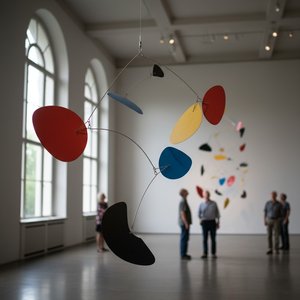
Explore the revolutionary world of Alexander Calder's kinetic sculptures & mobiles. Discover insights for collectors, acquisition advice, and the enduring legacy of this modern master. Expert analysis & art valuation.

Разгледайте топ 10 легендарни бронзови шедьоври, променили изкуството! От скулптурите на Роден до Микеланджело – историите зад вечните произведения. Висококачествени репродукции и идеи за интериор в Most-Famous-Paintings.com.


Бъдете информирани за последните новини в света на изкуството, ексклузивни оферти и идеи за декорация.
Разкажете ни за вашия проект и нашите експерти по изкуство ще ви предложат 3 персонализирани предложения за произведения на изкуството.
Нека подберем 3 варианта само за вас – безплатно!


 Сподели

 Прочетете повече




































 Стъклото е налично само в размери под 110 см


