x

 Other
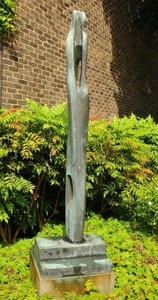
Other 2012
2012 70.0 x 70.0 cm
 Museum of the Arts of the University of Guadalajara
Закупете дигитално изображение с висока резолюция и подобрени характеристики, значително по-добро от онлайн прегледа.
Всеки файл е щателно подготвен от нашите специалисти с помощта на съвременни инструменти и експертна ръчна ретуш. Гарантираме, че всяко изображение има изключителна яснота, прецизна цветова точност и фини детайли.
Окончателният файл се доставя по имейл в рамките на 72 часа, оптимизиран за незабавна употреба в професионални, редакционни и печатни среди. Това е същото качество, на което се доверяват водещи дизайнерски студия, издатели и галерии.
Изтеглете файл с висока резолюция за лично показване, принтиране и творчески проекти. ( Купете принт Купете ръчно рисувана картина)
Когато изберете Most-Famous-Paintings.com, вие не получавате само изображение – вие получавате професионално подобрена дигитална творба, създадена с прецизност и подкрепена от гаранция за удовлетворение. Ето всичко, което автоматично се включва в вашата поръчка:

Вашето дигитално изображение с висока резолюция ще ви бъде изпратено по имейл в рамките на 72 часа от поръчката - готово за незабавно използване.

Вашата картина е професионално оптимизирана с помощта на усъвършенствани инструменти за изкуствен интелект и ръчна редакция, осигурявайки максимална детайлност, яснота и точност на цветовете.

Изгубили сте или сте премахнали файла си по погрешка? Не се притежнявайте – ще го изпратим отново на Вас по всяко време, безплатно.

Всредите си веднага без мита, данъци или такси по доставка - дигителните приложения винаги са без данъчно освободени.

Гарантираме, че вашето дигитално изображение отразява оригиналните цветове възможно най-точно, използвайки професионални инструменти и управление на цветовете.

Ако не сте доволни от вашето дигилно изображение, ще го коригираме или ще възмедим 100% в рамките на 60 дни – без никакви въпроси.

Не сте удовлетворени? Получавате пълно възстановяване на сумата в рамките на 60 дни след получаването на вашия цифров файл – без никакви въпроси.

Купете 3 изображения, спестете 10% - Купете 5, спестете 15% - Купете 10+, спестете 20%. Отлично за творчески проекти, галерии и агенства.

Born in Brooklyn, New York, in 1960 to Haitian and Puerto Rican parents, Jean-Michel Basquiat’s life was a collision of cultures and experiences that profoundly shaped his art. His early years were marked by movement – leaving home at fifteen to live in Lower Manhattan, immersing himself in the vibrant, often chaotic world of New York City's downtown scene. He found work as a messenger boy, a dishwasher, and even a nightclub bouncer, absorbing the energy and grit of the city while simultaneously honing his artistic skills through sketching and painting on whatever surfaces he could find – walls, floors, jackets, anything that offered a canvas.
Initially, Basquiat’s work was deeply rooted in the graffiti subculture. He adopted the pseudonym “SAMO” (short for “same old, same old”) and began tagging city walls with cryptic statements alongside fellow artists like Al Diaz. These early pieces, often incorporating phrases like "SAMO © 4 THE SO-CALLED AVANT-GARDE," were a direct challenge to the established art world, questioning its conventions and reflecting the frustrations of marginalized communities. This street art background—the immediacy, the raw energy, and the deliberate disruption – would become a defining characteristic of his later work.
The turning point arrived in 1980 with the “Times Square Show,” an unauthorized exhibition organized by a group of artists who transformed a vacant building into a makeshift gallery. Basquiat’s paintings, characterized by their bold colors, fragmented imagery, and layered text, immediately attracted attention from critics and collectors alike. The influential article "The Radiant Child" in The New York Times Magazine, written by Rene Ricard, catapulted him to international fame, framing him as a “new original” – a figure both deeply personal and profoundly critical of the art market’s tendency to commodify and distort artistic expression.
This period was particularly significant because it coincided with the "culture wars" of the 1980s—a time of intense social and political polarization. Basquiat's work resonated powerfully with this context, addressing issues of race, identity, and power dynamics within the art world itself. He wasn’t simply creating beautiful images; he was engaging in a dialogue about representation, exclusion, and the complex relationship between artist and audience.
Basquiat's visual language is instantly recognizable—a dense tapestry of symbols, words, and imagery that often defy easy interpretation. He drew heavily on sources ranging from African art and mythology to American pop culture, jazz music, and historical documents. His paintings frequently incorporate anatomical diagrams, lists, inventories, maps, and cryptic phrases, creating a sense of intellectual stimulation alongside emotional resonance.
Technically, Basquiat’s style evolved rapidly throughout his career. Initially influenced by the gestural energy of Abstract Expressionism and the raw immediacy of graffiti, he gradually developed a more controlled and layered approach, employing techniques such as collage, painting, drawing, and assemblage. His use of bright colors—particularly blues, reds, and yellows—contrasted sharply with the black-and-white imagery often associated with street art, creating a dynamic visual tension.
Despite his tragically short life – he died of a heroin overdose in 1988 at the age of twenty-seven – Jean-Michel Basquiat left an indelible mark on the art world. His work continues to be celebrated for its raw honesty, its critical engagement with social issues, and its innovative visual language. His paintings have achieved astonishing levels of value, demonstrating a remarkable return on investment over time, as evidenced by Sotheby’s index.
More importantly than the monetary value, Basquiat's legacy lies in his ability to challenge conventions, to speak truth to power, and to give voice to marginalized communities. His art remains relevant today, prompting viewers to confront uncomfortable truths about race, identity, and the complexities of contemporary society. He is remembered not just as a brilliant artist but as a cultural icon—a testament to the transformative power of creativity and the enduring importance of artistic expression.

1982 - , Mexico


Бъдете информирани за последните новини в света на изкуството, ексклузивни оферти и идеи за декорация.
Разкажете ни за вашия проект и нашите експерти по изкуство ще ви предложат 3 персонализирани предложения за произведения на изкуството.
Нека подберем 3 варианта само за вас – безплатно!


 Представи си го
 Изпрати
 Сподели
 Детайли

 Изтегляне
 Подобни
 Рентгенова снимка
 Слайдшоу
 Прочетете повече