


x

 Acrylic On CanvasWallArtLate Mannerism
 1597
1597 114.0 x 67.0 cm
 Музео Тисена-Борнемисца
Закупете дигитално изображение с висока резолюция и подобрени характеристики, значително по-добро от онлайн прегледа.
Всеки файл е щателно подготвен от нашите специалисти с помощта на съвременни инструменти и експертна ръчна ретуш. Гарантираме, че всяко изображение има изключителна яснота, прецизна цветова точност и фини детайли.
Окончателният файл се доставя по имейл в рамките на 72 часа, оптимизиран за незабавна употреба в професионални, редакционни и печатни среди. Това е същото качество, на което се доверяват водещи дизайнерски студия, издатели и галерии.
Изтеглете файл с висока резолюция за лично показване, принтиране и творчески проекти. ( Купете принт Купете ръчно рисувана картина)
Когато изберете Most-Famous-Paintings.com, вие не получавате само изображение – вие получавате професионално подобрена дигитална творба, създадена с прецизност и подкрепена от гаранция за удовлетворение. Ето всичко, което автоматично се включва в вашата поръчка:

Вашето дигитално изображение с висока резолюция ще ви бъде изпратено по имейл в рамките на 72 часа от поръчката - готово за незабавно използване.

Вашата картина е професионално оптимизирана с помощта на усъвършенствани инструменти за изкуствен интелект и ръчна редакция, осигурявайки максимална детайлност, яснота и точност на цветовете.

Изгубили сте или сте премахнали файла си по погрешка? Не се притежнявайте – ще го изпратим отново на Вас по всяко време, безплатно.

Всредите си веднага без мита, данъци или такси по доставка - дигителните приложения винаги са без данъчно освободени.

Гарантираме, че вашето дигитално изображение отразява оригиналните цветове възможно най-точно, използвайки професионални инструменти и управление на цветовете.

Ако не сте доволни от вашето дигилно изображение, ще го коригираме или ще възмедим 100% в рамките на 60 дни – без никакви въпроси.

Не сте удовлетворени? Получавате пълно възстановяване на сумата в рамките на 60 дни след получаването на вашия цифров файл – без никакви въпроси.

Купете 3 изображения, спестете 10% - Купете 5, спестете 15% - Купете 10+, спестете 20%. Отлично за творчески проекти, галерии и агенства.
El Greco's "The Annunciation," painted in 1597, isn’t merely a depiction of a biblical event; it’s an intensely felt experience. This masterpiece, measuring a modest 114 x 67 cm, pulsates with the artist’s unique vision – a synthesis of Byzantine rigor and a burgeoning emotionalism that would foreshadow movements centuries later. Born in Crete, Doménikos Theotokópoulos, known as El Greco, spent his formative years steeped in the traditions of Eastern Orthodox art, absorbing its meticulous detail and profound spiritual depth. Yet, he never remained confined by these roots. Toledo, Spain, became his adopted home, a city brimming with religious fervor and offering a fertile ground for his artistic evolution.
The scene itself is arresting: Mary, kneeling in humble reverence, receives the momentous news from the radiant angel Gabriel. The composition immediately draws the eye to the figures, rendered with an almost sculptural quality – elongated limbs, dramatically foreshortened perspectives, and faces imbued with a palpable sense of emotion. El Greco’s signature style—characterized by vibrant color palettes, swirling drapery, and a deliberate distortion of form—is powerfully evident here. He doesn't aim for photographic realism; instead, he seeks to convey the *feeling* of the event, the overwhelming weight of divine revelation.
El Greco’s masterful use of color is central to the painting’s impact. The cool blues and purples dominating Mary's garments contrast sharply with the golden hues surrounding Gabriel, emphasizing his celestial status. Notice how he employs a technique known as *sfumato*, subtly blurring edges and creating an atmospheric haze that lends the scene an ethereal quality. This isn’t simply decorative; it contributes to the overall sense of otherworldly grace. The lighting is equally dramatic – a single, powerful beam illuminates Mary and Gabriel, casting long shadows and highlighting their expressions of awe and surprise.
Technically, El Greco employed oil paints on panel, a medium that allowed for rich color saturation and layering of textures. His brushwork is energetic and expressive, particularly in the swirling folds of the drapery and the intricate details of the angel’s wings. He built up his paint in multiple layers, creating a luminous surface that seems to glow from within. This meticulous approach, combined with his innovative use of perspective and color, distinguishes “The Annunciation” as a truly groundbreaking work.
Beyond the immediate depiction of the Annunciation, the painting is rich in symbolic meaning. The musical instruments – a violin and harp – are not merely decorative additions; they represent the music of heaven, suggesting that this divine revelation will be accompanied by praise and song. The archangel, often depicted with wings outstretched, symbolizes God’s boundless grace and his willingness to bestow blessings upon humanity. Mary's posture—kneeling in humility—underscores her acceptance of God’s will.
Furthermore, the setting itself is significant. The sparse background emphasizes the central figures, drawing attention to their spiritual encounter. The muted colors and lack of elaborate architectural details contribute to a sense of intimacy and immediacy, as if we are privileged witnesses to this momentous event.
"The Annunciation" transcends its religious subject matter to become a profound meditation on faith, humility, and the encounter with the divine. El Greco’s ability to infuse his paintings with such raw emotion is what continues to captivate viewers centuries later. This reproduction captures not only the visual details of the original but also the spirit of wonder and reverence that it embodies. It's a piece perfect for adorning a prayer room, a study, or any space where contemplation and spiritual connection are valued. Most-Famous-Paintings offers exceptional quality reproductions, ensuring you experience the full power and beauty of this iconic work by one of art history’s most singular figures.
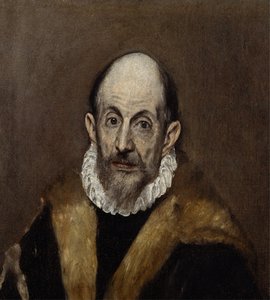
1541 - 1614 , Гърция


Бъдете информирани за последните новини в света на изкуството, ексклузивни оферти и идеи за декорация.
Разкажете ни за вашия проект и нашите експерти по изкуство ще ви предложат 3 персонализирани предложения за произведения на изкуството.
Нека подберем 3 варианта само за вас – безплатно!


 Представи си го
 Изпрати
 Сподели
 Детайли

 Изтегляне
 Подобни
 Рентгенова снимка
 Слайдшоу
 Прочетете повече


