x

Ръчно рисувана маслена картина върху платно във вашия размер и рамка, изработена по поръчка от нашите художници. ( Купете принт Купете изображение)





























Изберете от предварително зададените размери, които съответстват на оригиналните пропорции на произведението.

Можете да въведете свои собствени размери, за да пасне на конкретна рамка или пространство. Ако избраният от вас размер не съответства на пропорциите на оригиналното изображение, ние ще изрежем произведението или ще удължим картината с допълнителни ръчно рисувани елементи. Дигитален макет ще бъде изпратен за ваше одобрение преди започване на производството.
Моля, обърнете внимание, че прегледът на екрана не отразява действителното изрязване или разширяване. Само макетът ще покаже точно финалния състав.
Въпреки че са налични персонализирани размери, препоръчваме да изберете размер от предварително дефинирания списък, за да запазите оригиналните пропорции.
Доставка по целия свят () в рамките на 3/4 седмици вместо стандартните 5 седмици. (15 Август). Без компромис с качеството.


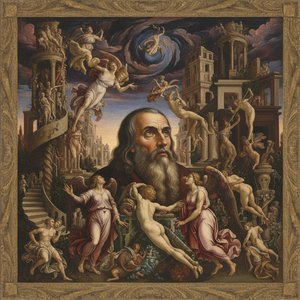
The Nativity
Размер на репродукцията
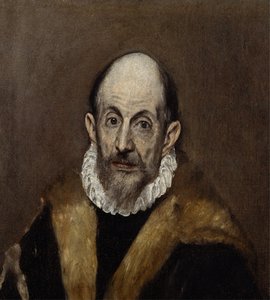
Doménikos Theotokópoulos, universally known as El Greco—“the Greek”—was an artist whose life and work defied easy categorization. Born in 1541 on the island of Crete, then under Venetian rule, his artistic journey led him through Venice and Rome before finding its ultimate expression in the spiritual heartland of Spain: Toledo. El Greco wasn’t merely a product of these places; he synthesized their influences into something wholly unique, a style that anticipated the emotional intensity of Expressionism and the fragmented forms of Cubism centuries later. His early training within the Byzantine tradition instilled in him a meticulous attention to detail and a profound understanding of religious iconography. This foundation, however, wouldn’t confine him.
“The Nativity,” painted between 1603 and 1605, stands as a cornerstone of El Greco's oeuvre and exemplifies his masterful manipulation of Mannerism—a stylistic movement that prioritized expressive distortion over realistic representation. Commissioned for the Santuario de Nuestra Señora de la Caridad in Illescas, Toledo, this monumental altarpiece represents a pivotal moment in El Greco’s artistic evolution, marking a decisive shift away from Venetian influences towards a more intensely personal and spiritually driven aesthetic.
El Greco's artistic vision was profoundly shaped by the Venetian Renaissance, particularly Tintoretto and Titian. However, he transcended mere imitation, forging his own distinctive visual language that blended Byzantine traditions with Western techniques. This fusion is palpable in “The Nativity,” where elongated figures dominate the composition—a hallmark of Mannerism—creating a dramatic tension between idealized beauty and visceral emotion. The painting’s stylistic choices deliberately challenged Renaissance conventions, prioritizing psychological depth over anatomical accuracy.
The circular format of “The Nativity” immediately establishes an intimate atmosphere, drawing the viewer into the sacred narrative. El Greco skillfully employs a triangular arrangement to guide the eye towards the central figures—Mary cradling Jesus—while simultaneously conveying a sense of dynamism through flowing drapery and subtly undulating lines. The artist’s meticulous brushwork contributes to the painting's textural richness, layering pigments with remarkable precision to capture both luminous highlights and deep shadows. This technique underscores the emotional intensity of the scene, mirroring the spiritual fervor characteristic of El Greco’s artistic output.
Beyond its formal brilliance, “The Nativity” resonates deeply with Christian symbolism—the Virgin Mary embodies compassion and humility, while Jesus represents divine grace. The subdued lighting casts a golden glow upon the figures, enhancing their ethereal beauty and conveying a sense of serenity amidst profound sorrow. El Greco’s deliberate distortion of proportions serves not merely as stylistic flourish but as a conduit for expressing spiritual contemplation. Viewing “The Nativity” evokes feelings of reverence and wonder—a testament to El Greco's ability to transform religious iconography into emotionally resonant art.
To delve deeper into El Greco’s artistic legacy, explore his other masterpieces at Most-Famous-Paintings.com Most-Famous-Paintings and discover the Museo del Prado's impressive collection of Spanish art at Most-Famous-Paintings. Learn more about El Greco’s life and work on Wikipedia: Wikipedia

1541 - 1614 , Гърция
Explore the dramatic transition from High Renaissance harmony to Mannerist tension. Discover how masters like El Greco redefined art through distortion and spiritual intensity. An expert guide for art enthusiasts seeking deep historical context and museum-quality inspiration.

Explore the dramatic evolution of Mannerism from High Renaissance perfection to El Greco's spiritual intensity. Discover the history, techniques, and enduring legacy of this transformative era through an expert art-history lens.

Explore the profound elegance of Neoclassicism. Discover how the Enlightenment era embraced Greek and Roman ideals of order, reason, and symmetry to redefine art history through masters like Mengs and Hamilton. A definitive guide for history lovers and art collectors.

Explore the rigorous beauty of Academic Classicism. Discover the principles of order, precision, and historical reverence that define this timeless art movement through an expert guide to its enduring legacy and technical mastery.


Бъдете информирани за последните новини в света на изкуството, ексклузивни оферти и идеи за декорация.
Разкажете ни за вашия проект и нашите експерти по изкуство ще ви предложат 3 персонализирани предложения за произведения на изкуството.
Нека подберем 3 варианта само за вас – безплатно!


 Представи си го
 Изпрати
 Сподели
 Детайли

 Изтегляне
 Подобни
 Рентгенова снимка
 Слайдшоу

 Прочетете повече







 Стъклото е налично само в размери под 110 см